
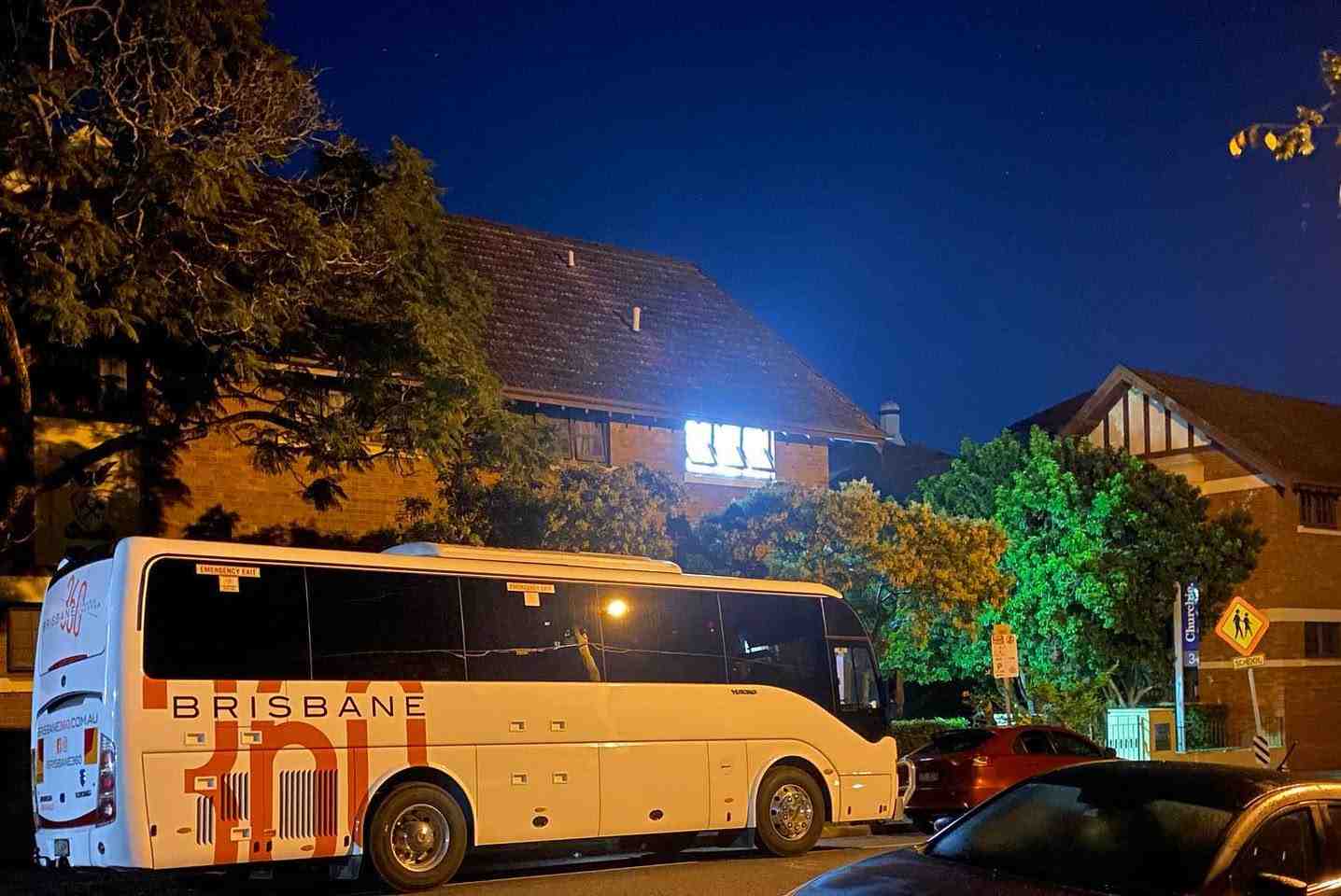
When Does Corporate Bus Hire for Events Make Sense?
Corporate bus hire for events makes sense when you need people to travel together, arrive within a tight time window, manage several pickup points, avoid difficult parking, or keep an evening itinerary organised. It can simplify the transport side of conferences, retreats, dinners, site visits and staff events by giving the organiser one agreed plan rather than many separate journeys.
Group size matters, but it is not the only deciding factor. A smaller team with a complicated route or a fixed arrival time may benefit from private bus hire just as much as a larger group travelling to a venue with limited parking.
I’m Cam Storey, Managing Direction at Brisbane360, and I’ve worked in passenger transport since 2009. At Brisbane360, I’ve had hands-on involvement in route planning, vehicle selection, pickups and event logistics for private group travel across Brisbane and South East Queensland. That experience has shown me that the best corporate transport plans are built around the people travelling, the timing of the event and the realities of the route.
What Are the Main Reasons to Hire a Bus for a Corporate Event?
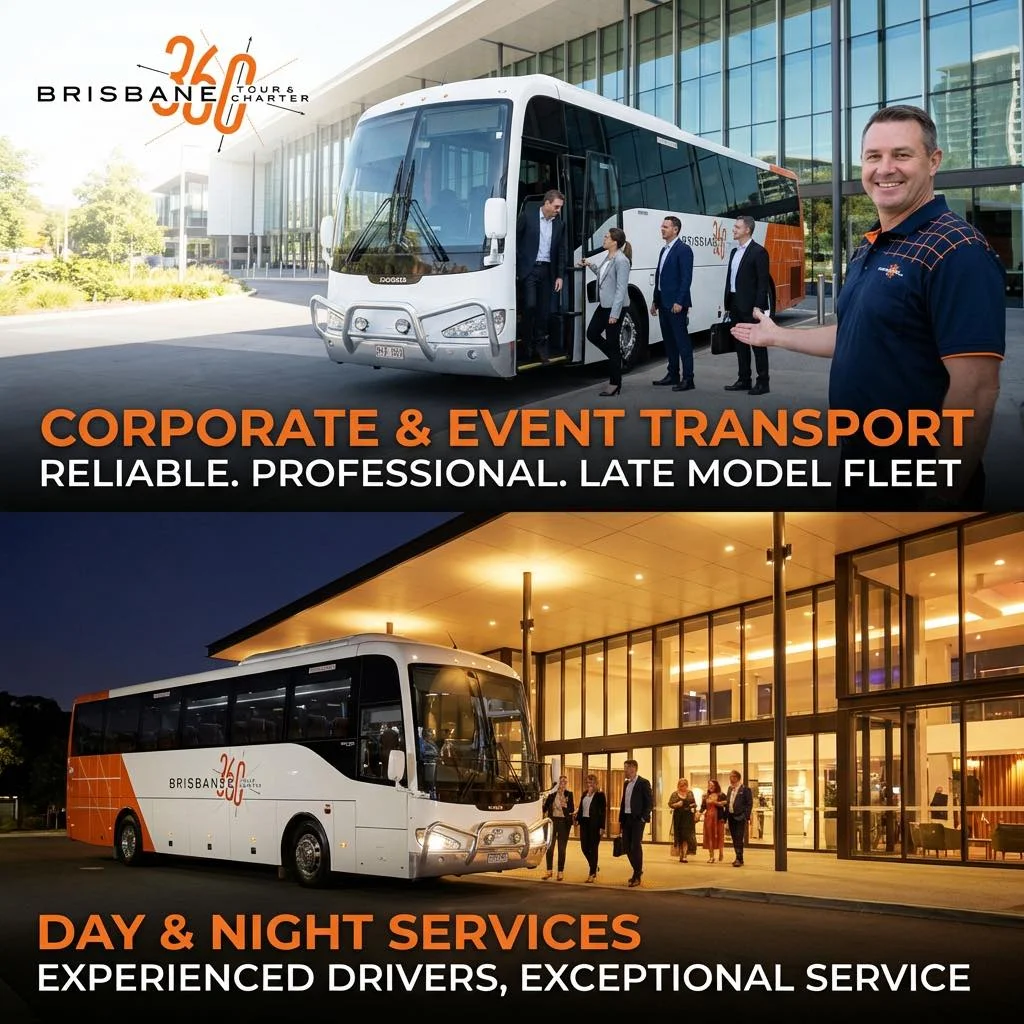
You Need Everyone to Arrive at the Same Time
For conferences, meetings, seminars, award nights and keynote sessions, staggered arrivals can make the day harder to manage. When staff, clients or delegates travel separately, delays, wrong turns and different parking arrangements can leave the organiser chasing updates. Private group transport gives everyone a shared departure plan and a more predictable arrival.
Parking Is Difficult or Limited
CBD venues, conference centres and busy event spaces may have limited parking or complicated access. Bringing multiple cars into the same location can add unnecessary coordination for attendees. One professionally driven vehicle can make the arrival process simpler, particularly when the group has a designated meeting point.
Your Event Has Multiple Pickup or Drop-Off Points
Corporate events may involve different offices, hotels, accommodation venues or regional meeting points. A planned route can bring the group together before the event or move them between locations without every traveller needing to navigate the itinerary independently.
You Are Organising an Evening Event
For awards nights, company celebrations, dinners and networking events, pre-arranged transport gives attendees a clear way to travel to and from the function. A professional driver manages the route and timing while the organiser has one transport contact for the group.
You Are Moving a Team to an Off-Site Location
Team retreats, property tours, project meetings, site visits and regional events often involve travel outside the usual workplace routine. Private bus or coach hire helps keep the team together from the initial meeting point through to the destination, making the day easier to coordinate.
Which Corporate Events Benefit Most from Private Bus Hire?
Conferences and Trade Events
Conference schedules often depend on delegates arriving before registration, presentations or scheduled sessions begin. For teams travelling from a hotel, office or central meeting point, private group transport can make the journey more consistent. Our corporate event bus hire guidance outlines the event details that help shape an effective plan.
Corporate Retreats and Team Days
A retreat or team day works best when the group can begin the experience together. Organised transport from the workplace or a nominated meeting point helps avoid separate arrival times and makes it easier to account for everyone before departure.
Awards Nights and Corporate Dinners
Evening functions can involve tight restaurant or venue schedules, limited city parking and guests arriving from different locations. A planned group journey gives attendees clear instructions and allows the organiser to focus on the event rather than individual travel updates.
Multi-Site Business or Project Visits
Businesses visiting several project, property or operational sites in one day need a realistic route and enough time at each stop. Travelling as a group makes it simpler to keep the itinerary moving and adjust the order of visits when needed. This guide to bus hire for corporate events offers additional planning considerations.
Company Celebrations and Staff Events
For staff celebrations and larger social events, travelling together can make the experience more convenient from the outset. It also gives the event organiser one plan for departures, collection points and return timing.
How Do You Know If Your Corporate Event Needs a Bus?
When Does It Make Sense to Hire a Bus for a Corporate Event?
You should consider private bus hire if:
- a group needs to travel together;
- everyone needs to arrive within a narrow time window;
- there are several pickup locations;
- parking at the venue is limited;
- the itinerary includes more than one destination;
- the event finishes late; or
- you would prefer one person to coordinate transport rather than manage many individual travellers.
There is no universal minimum passenger number. The right option depends on the expected group size, pickup locations, event timing, route and vehicle requirements. A practical first step is to map the full itinerary before deciding whether a minibus or full-size coach is the better fit.
What Does Corporate Bus Hire Cost?
Corporate bus hire pricing depends on the number of passengers, vehicle required, travel date, pickup locations, destination, distance, duration, number of stops and overall itinerary complexity. Rather than relying on a generic price, provide the operator with the complete event plan so the quote reflects the transport you actually need.
A clear itinerary can also make the event budget easier to organise because the group has one planned transport service instead of multiple individual travel arrangements.
What Should You Plan Before Booking Corporate Event Transport?
Passenger Numbers
Work from the expected passenger count and allow for realistic changes before confirming the vehicle. A dependable headcount helps you select suitable seating and plan boarding efficiently.
Pickup Locations
Confirm where passengers will meet, whether there are multiple pickup points and whether offices, hotels or venues have suitable loading areas. Clear meeting instructions reduce confusion on the day.
Event Start and Finish Times
Work backwards from the time your group needs to arrive. Include enough time for boarding, traffic and any planned stops rather than scheduling for the shortest possible journey.
Route and Travel Time
Consider peak traffic, regional travel, road conditions and the time needed at each location. A route with several stops needs more than a simple point-to-point journey, so include the full schedule when requesting a quote.
Vehicle Size
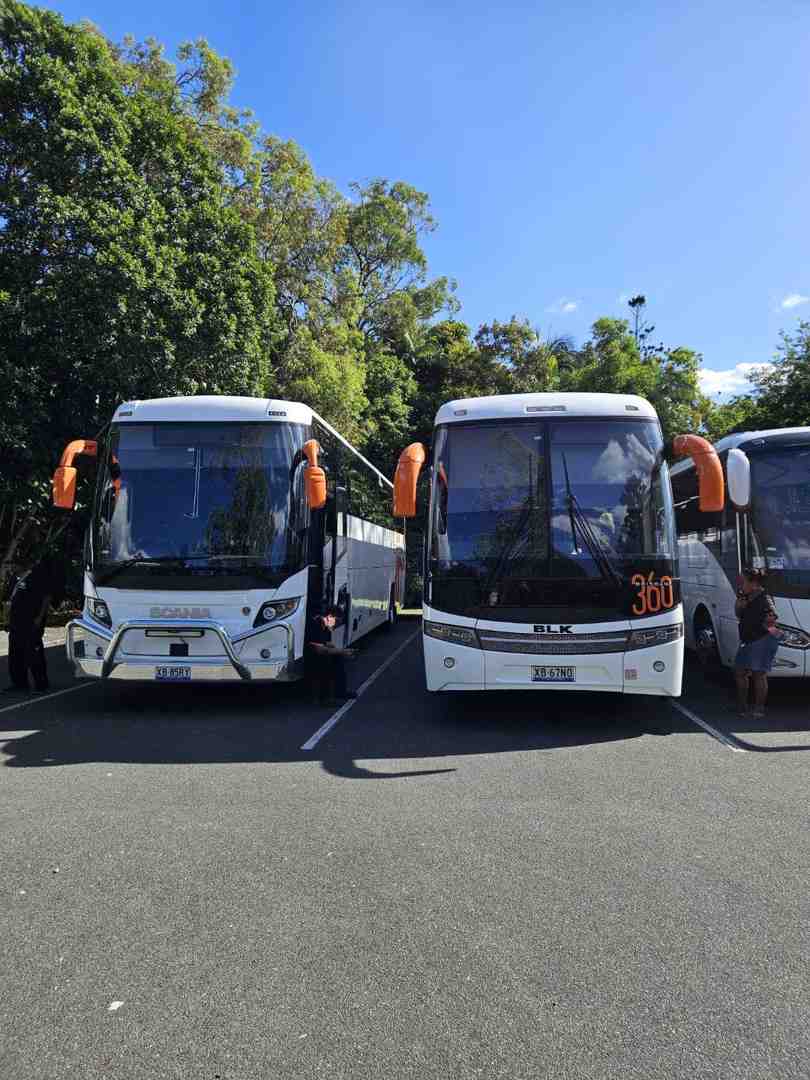
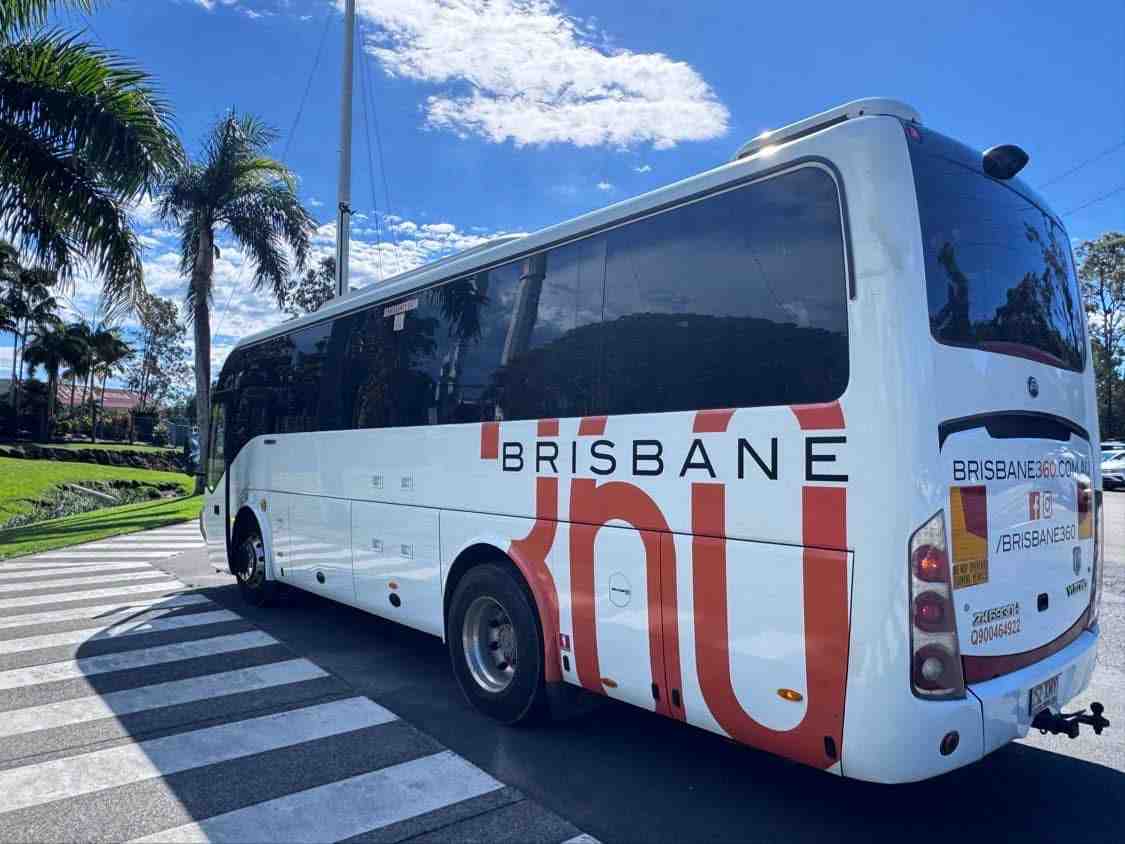
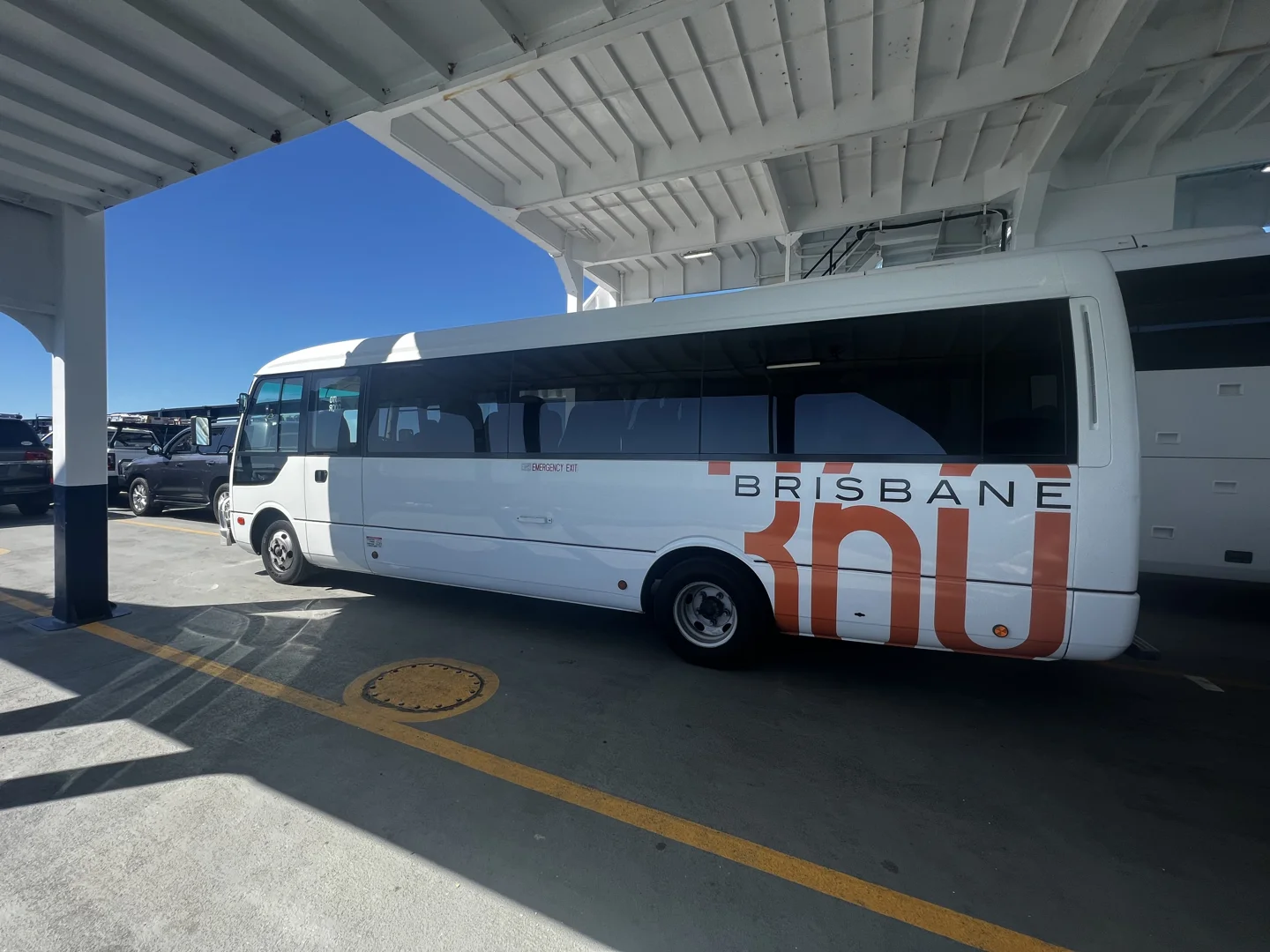
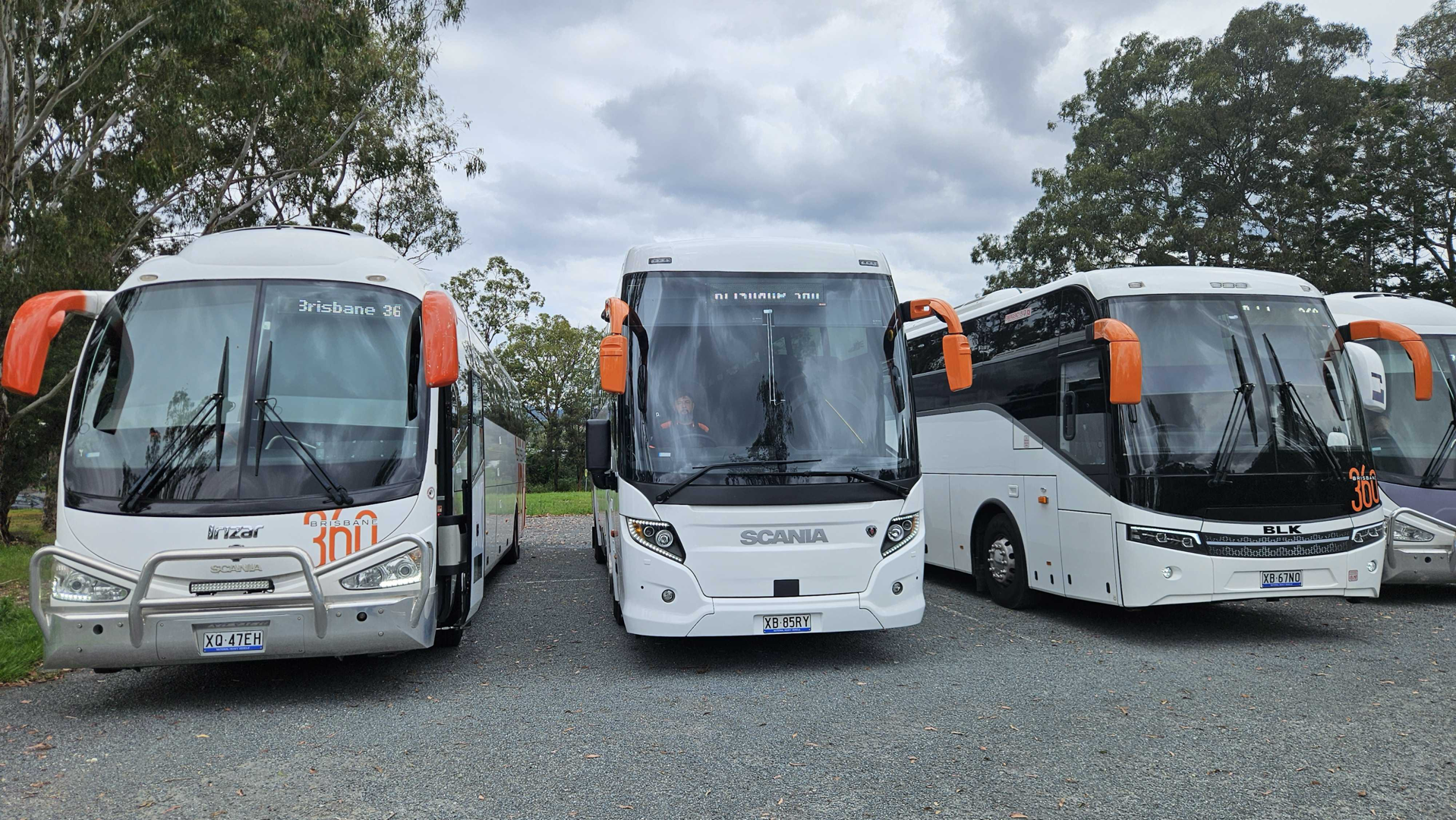
Vehicle choice should reflect passenger numbers, comfort requirements, luggage or equipment needs and the route itself. Brisbane360 provides private bus and coach transport with professional drivers, from smaller vehicles for compact groups to larger coaches for bigger event groups. When comparing providers, organisers can also review the Queensland Government’s operator accreditation information.
Corporate Bus Hire for Events FAQs
How Many People Do You Need to Hire a Bus for a Corporate Event?
There is no single minimum. A larger group may need a coach, while a smaller team may still benefit from private transport when the event has several pickup points, limited parking or a tight schedule.
Is Hiring a Bus for a Corporate Event Worth It?
It can be worthwhile when coordinated arrivals, venue access, multiple locations or clear event logistics matter. The value comes from matching the transport plan to the event rather than applying the same approach to every group.
What Type of Bus Is Best for a Corporate Event?
The best vehicle depends on passenger numbers, the route, travel time and the event itinerary. Share those details when requesting a quote so the recommended vehicle suits the group and the day.
How Far in Advance Should You Book Corporate Event Transport?
Book once your date, approximate passenger count and broad itinerary are known. Earlier planning gives you more time to confirm pickup details and refine the transport plan if the event changes.
Can a Corporate Bus Make Multiple Stops?
Yes. Private group transport can be planned around multiple pickup points and destinations when those stops are included in the agreed itinerary.
What Information Do I Need to Get a Corporate Bus Hire Quote?
Provide the date, passenger numbers, pickup location or locations, destination, event start and finish times, estimated itinerary and any additional stops. The more complete the outline, the more accurately the transport can be planned.
Planning Corporate Bus Hire for Your Event
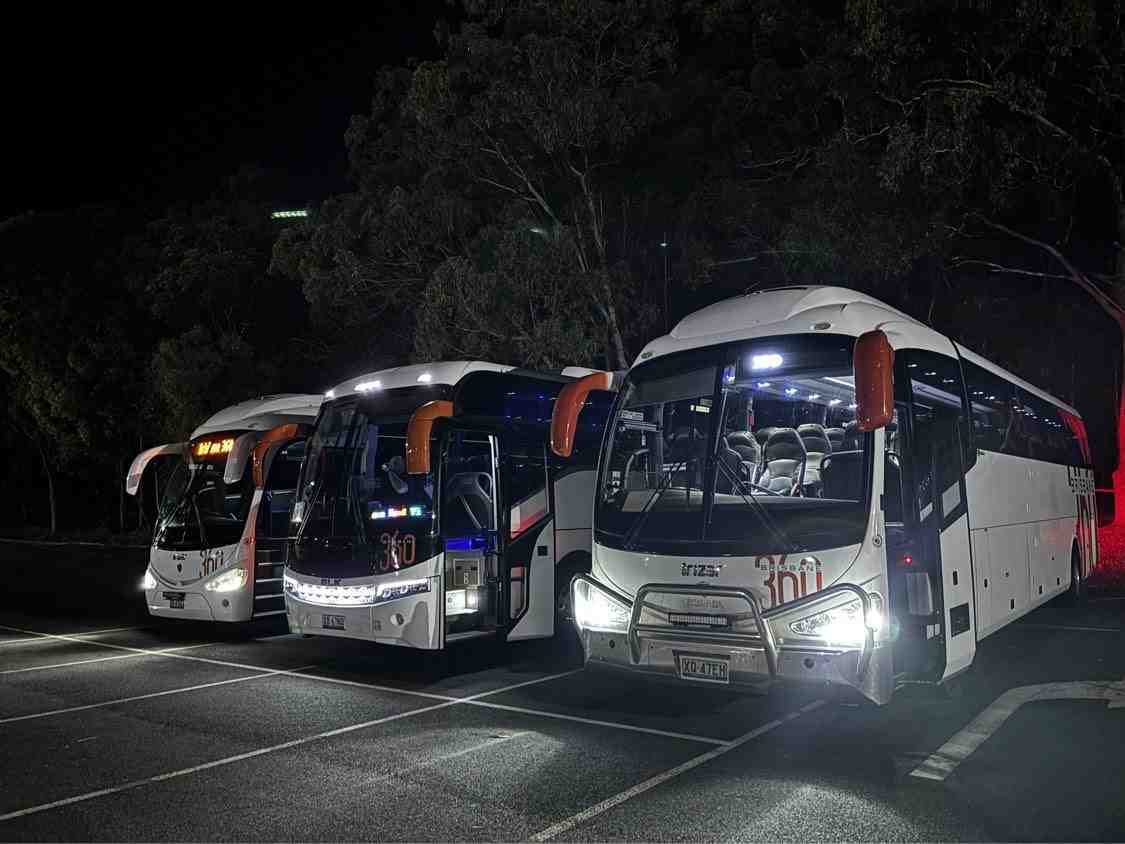
The decision to arrange corporate bus hire is not only about how many people are travelling. Timing, parking, pickup locations, venue access and the number of stops can all change what makes sense for your event. When the itinerary calls for people to arrive together and stay coordinated, private group transport can make the day easier to manage.
Brisbane360 brings hands-on experience coordinating private group travel across Brisbane and South East Queensland, with private bus and coach hire operated by professional drivers. As a Transport and Main Roads accredited operator, we put service and safety at the centre of every journey while keeping our pricing competitive for corporate groups.
For help planning the right transport for your event, explore our corporate transport services, request a custom corporate quote, or contact our logistics team with your event date, passenger numbers and proposed itinerary.
Related Corporate Transport Guides
- Corporate Transport Services Brisbane: A Practical Guide to Business Travel – Useful for readers wanting broader information about corporate transport, vehicle selection, event logistics and group travel.
- Planning Corporate Events in Brisbane? Here’s Your Transport Solution – Strong match for readers planning conferences, corporate functions, multi-stop itineraries and event transport.
- 5 Simple Steps to Book Corporate Transfers in Brisbane – A natural next step for readers who have decided they need corporate transport and want to understand the booking process.
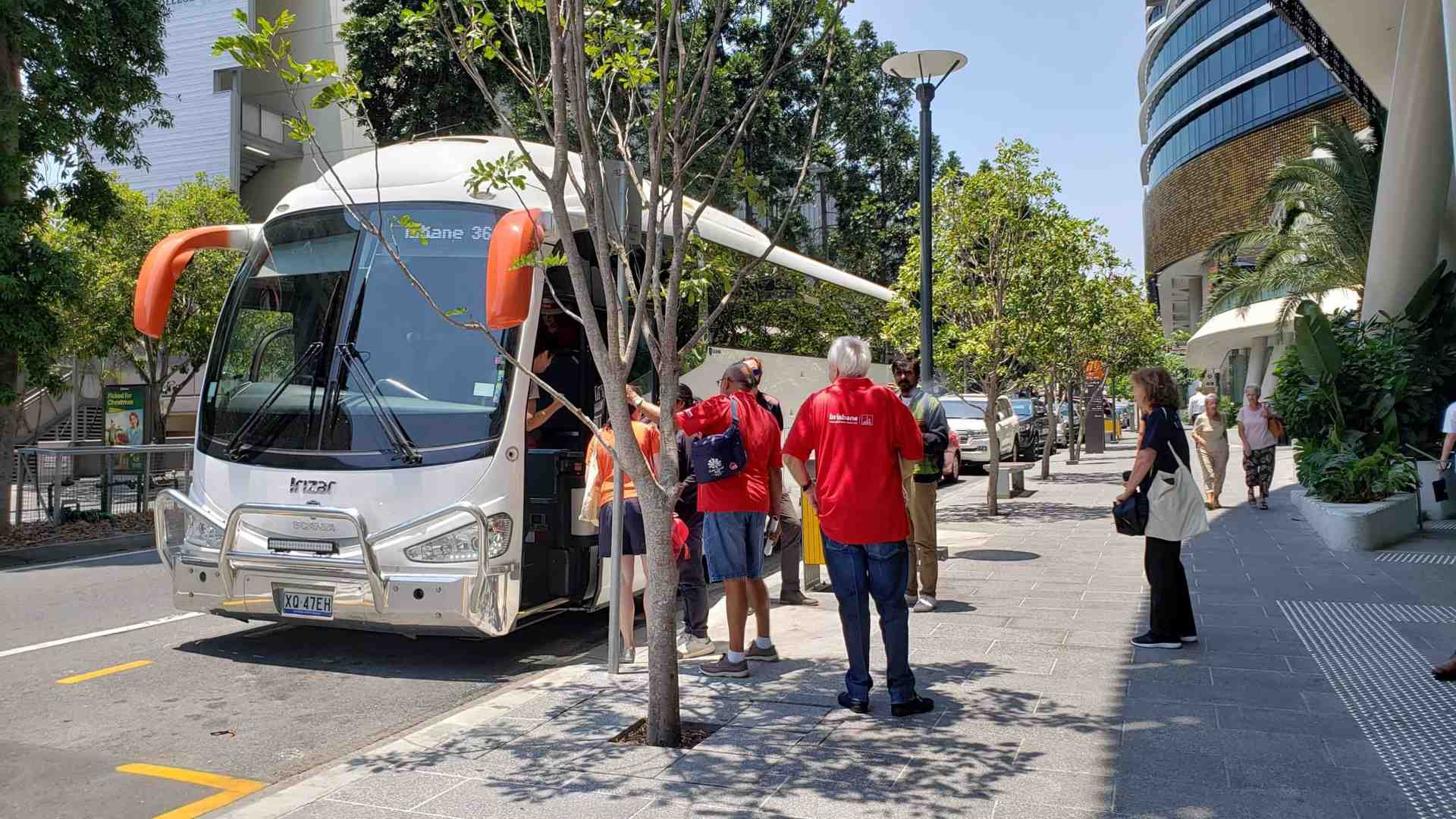



_compressed.webp?alt=media&token=e6b9836b-01fd-4f19-b4a6-4229f528e370 "dedicated passenger coach operating along a scheduled South East Queensland route")
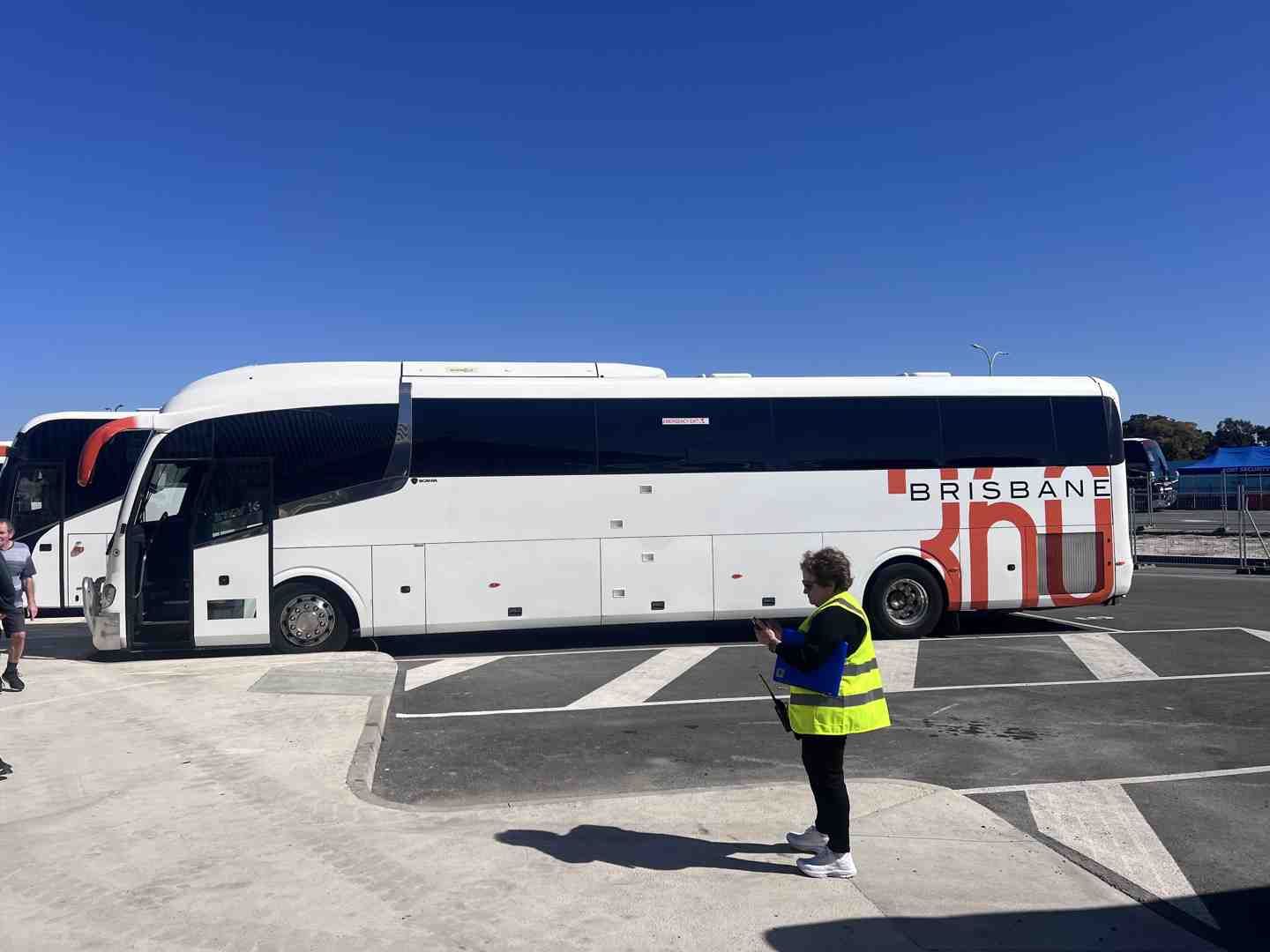

_compressed.webp?alt=media&token=66a07c5b-d378-48b6-a43f-59e4e38a0fa0 "user-inserted")
_compressed.webp?alt=media&token=9c198763-b009-4b35-8833-1242b3b61d8e "user-inserted")
_compressed.webp?alt=media&token=0c77310a-7eba-4777-8b31-0ed843d01441 "user-inserted")

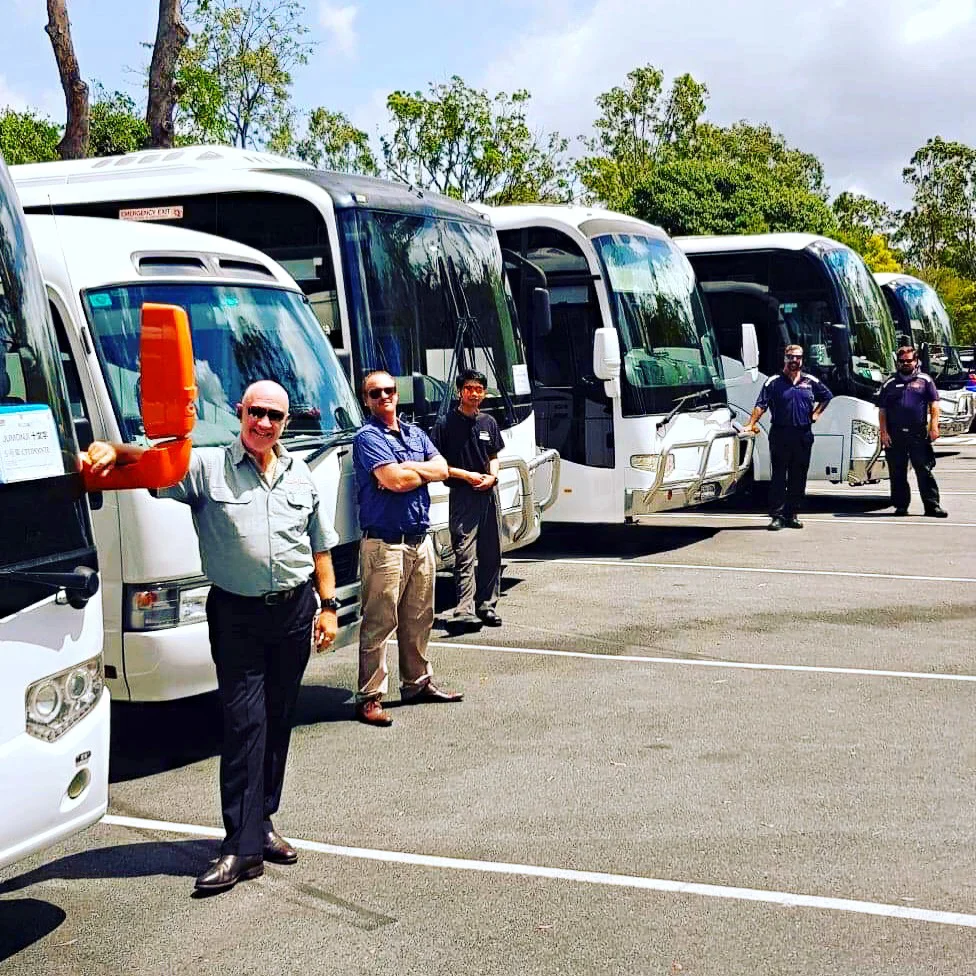




_compressed.webp?alt=media&token=936eeb22-0881-455f-abaa-c47666926a5e "Brisbane360 coach for school group travel in Brisbane and South East Queensland")