Blog

minibus hire in Brisbane

Minibus Hire in Brisbane: Compare Vehicles, Costs and Group Travel Plans

Minibus hire in Brisbane can make group travel simpler when everyone needs to arrive together, on time, and with enough room for bags or equipment. The best option is rarely the lowest advertised figure alone. It is the vehicle and service arrangement that fits the passenger numbers, route, pickup plan, luggage, and timing for the whole day.

This guide explains how to compare vehicle sizes, quote inclusions, driver-led transport, safety checks, and booking details before committing. It is designed for groups travelling across Brisbane, to coastal destinations, or throughout South East Queensland. It also answers the practical questions organisers commonly ask when they need private transport for an event, school activity, business day, or group outing.

Hi, I’m Cam Storey, owner of Brisbane360. I have worked in passenger transport since 2009, and I use that hands-on experience to help groups plan practical routes, select the right vehicle, coordinate pickups, and manage event logistics across Brisbane and South East Queensland. Good planning before the day makes private transport simpler for everyone travelling.

At a Glance

  • Choose for passenger numbers, luggage, equipment, access needs, and pickup locations rather than headcount alone.
  • Ask for a clear quote that explains travel time, the professional driver, route requirements, tolls, parking, and waiting time.
  • Check the operator’s accreditation, driver authorisations, maintenance approach, insurance, and process for itinerary changes.
  • Give the provider a complete itinerary early, including venue access instructions and any time-sensitive stops.
  • Match the vehicle to the group’s purpose, whether that is a corporate day, school activity, community outing, or study tour.

Choosing the Right Vehicle for Your Group

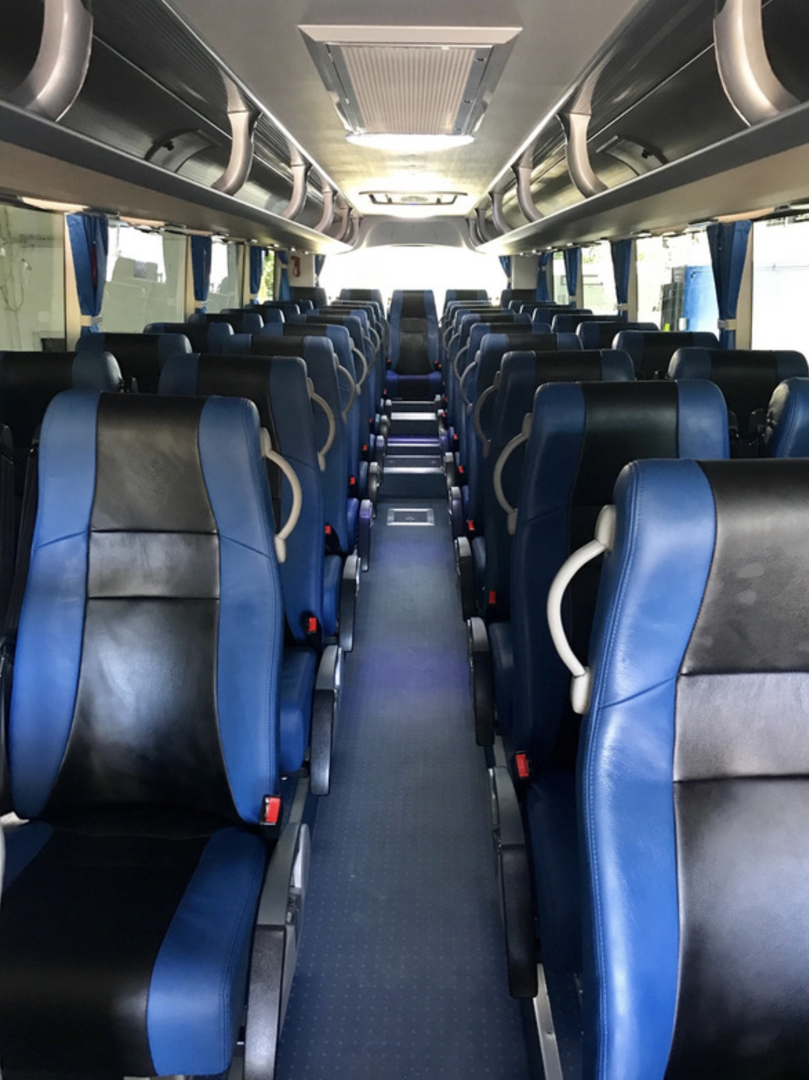
Modern minibus interior seating

The right vehicle is not determined by passenger numbers alone. Consider luggage, mobility needs, equipment, the number of pickup locations, journey length, and whether everyone will travel together for the full itinerary. A vehicle that looks suitable on paper can become uncomfortable or impractical if it does not allow for bags, event materials, sporting equipment, or safe access at each stop.

Brisbane360 provides private bus and coach transport with a professional driver rather than vehicle-only hire. That means the route, parking, timing, and pickup sequence can be considered as one coordinated plan. It is particularly useful when the group has a fixed arrival time, several locations to collect passengers from, or a venue with restricted access.

Passenger Capacity, Luggage, and Access

Start with a realistic passenger total, then add the details that change the vehicle choice. Overnight bags, golf clubs, prams, mobility aids, presentation materials, and sports gear all need room. If some passengers join later or depart earlier, include that in the itinerary so the provider can assess the seating and luggage requirements accurately.

  • 7 to 13 seats: Suitable for smaller business groups, family occasions, and compact team travel where access and manoeuvrability matter.
  • 24 seats: A useful option for day trips, team functions, and social groups that need comfortable seating and luggage capacity.
  • 33 to 39 seats: Well suited to school bus transport, sporting clubs, and regional day travel where a larger group still wants to travel together.
  • 57 to 61 seats: Designed for larger conferences, school events, and high-capacity corporate bus hire movements.

  • 7 to 13 seats: Suitable for smaller business groups, family occasions, compact team travel, and routes where access or manoeuvrability matters.

  • 24 seats: A practical option for day trips, team functions, social groups, and smaller school groups with moderate luggage needs.
  • 33 to 39 seats: Well suited to school bus transport, sporting clubs, and regional day travel where a larger group still wants to stay together.
  • 57 to 61 seats: Designed for larger conferences, school events, and high-capacity corporate bus hire movements.

Ask one useful question before accepting a recommendation: what will travel with the group? A supplier who knows the number of bags, equipment cases, wheelchairs, or promotional materials can recommend a vehicle more reliably. It is also worth confirming whether the group needs a low-step entry, extra boarding time, or a pickup location with limited kerb space.

Match the Transport Plan to the Purpose of the Day

Corporate organisers often need reliable movement between offices, accommodation, meetings, and event venues. A clear schedule helps the driver plan loading zones, venue access, and a sensible sequence of pickups. For conferences or team events, build a small time buffer into the itinerary so one delayed meeting does not disrupt every later movement.

Schools and study-tour coordinators may need a detailed pickup plan, appropriate seating, and practical supervision arrangements for educational travel. Share the venue contacts, planned activity times, and any required rest or meal stops when requesting a quote. Brisbane360 can support school transport and study tours with transport planned around the group’s day rather than a generic route.

Community groups benefit from a pace that works for every passenger. This can include allowing enough time for boarding, choosing convenient pickup points, and avoiding unnecessary changes between vehicles. For groups travelling with friends, club members, or family, keeping everyone together can also make attendance checks and schedule changes easier to manage.

Comparing Costs, Inclusions, and Booking Terms

The cost of minibus hire in Brisbane depends on the vehicle required, distance, duration, itinerary complexity, and timing. A useful comparison looks beyond the initial figure and checks whether the quote covers the professional driver, fuel, planned route, waiting time, tolls, parking requirements, and any venue-specific access arrangements. A lower initial price may not be the best value if key travel time or access costs are not explained.

Ask each provider to describe the service in the same way so the comparison is fair. Give them the same date, passenger number, pickup points, destinations, timings, planned stops, and luggage information. Then compare the written inclusions, not just the final figure.

When reviewing a quote, look for these details:

  • Travel time: Check whether the quoted service accounts for the driver’s travel to and from the operating base, planned pickup windows, and expected waiting periods.
  • Route costs: Ask how toll roads, parking, venue access fees, and restricted loading zones are handled so there are no surprises later.
  • Timing changes: Confirm the process if a flight, event, meeting, or activity finishes later than expected, even when the itinerary is otherwise fixed.
  • Multiple stops: Make sure each pickup, drop-off, and short stop is included in the quoted plan rather than assumed to be direct travel.
  • Payment and cancellation terms: Read the deposit, confirmation, amendment, and cancellation conditions before finalising the booking.

For a more accurate quote, provide the date, approximate passenger total, pickup and destination addresses, preferred timings, luggage needs, and any planned stops. Include practical access notes such as a hotel porte-cochère, school gate, stadium loading area, or a narrow suburban street. Confirming those details early helps identify route variables before the booking is finalised and reduces last-minute changes on the day.

Safety, Driver Qualifications, and Reliability Checks

Safety and reliability deserve the same attention as price and vehicle size. In Queensland, operators of public passenger services have accreditation responsibilities, and passengers can ask a provider how it meets those obligations. The Queensland Department of Transport and Main Roads explains the relevant operator accreditation responsibilities, including the systems operators must maintain for safe and compliant service delivery.

Drivers should hold the appropriate heavy vehicle licence class and current Driver Authorisation where required. The Department of Transport and Main Roads sets out the purpose and eligibility framework for Driver Authorisation, which is a useful reference point when discussing driver suitability with a provider. Before confirming a service, ask about driver credentials, maintenance practices, insurance, and how the team responds if traffic, roadworks, or venue delays affect the itinerary.

Brisbane360 operates private bus and coach services with a professional driver, and its planning approach is built around clear routes, suitable vehicles, and practical event timing. Ask for a written itinerary and a named contact for the day where possible. These small checks give corporate organisers, schools, community groups, and private event planners a clearer basis for comparing providers.

Frequently Asked Questions About Minibus Hire in Brisbane

How far ahead should I book a minibus?

Book as early as practical once the date and broad itinerary are known, especially for school events, conferences, weekends, and busy seasonal periods. Early enquiries give the provider more opportunity to match the group with the right vehicle and plan the route. If the event details are still being finalised, share the best available estimate and update it as decisions are made.

What details are needed for a minibus hire quote?

Provide the travel date, passenger total, pickup and destination addresses, departure and return times, planned stops, luggage requirements, and any accessibility or event-timing needs. Add venue access information if you have it, particularly for hotels, schools, entertainment precincts, and major events. The more complete the itinerary, the easier it is to provide a useful comparison and reduce changes later.

Is a minibus suitable for a group day trip?

Yes, provided the vehicle is matched to the passenger count, journey length, and luggage or equipment requirements. For longer days or multi-stop travel, include rest breaks, venue access, meal stops, and realistic travel times between activities. A planned sequence is more helpful than a simple list of destinations because it shows how the group will move through the day.

What should I check before choosing a provider?

Confirm the operator’s accreditation, driver qualifications, maintenance practices, insurance, quote inclusions, and approach to itinerary changes. Ask whether the vehicle has enough room for passengers and the items travelling with them. It is also sensible to confirm who will handle communications if the group needs help on the day.

Can a group have more than one pickup point?

Yes, but every pickup point should be included when requesting the quote. Multiple locations affect travel time, the order of the route, and the time each passenger needs to be ready. Where possible, choose pickup points that are easy and safe for a larger vehicle to access and give the group clear instructions about where to wait.

What happens if the itinerary changes on the day?

Tell the provider as soon as the change is known. A driver-led service can usually assess the practical impact of a delayed departure, revised venue access, or added stop, but the outcome depends on the vehicle schedule and road conditions. Providing one organiser as the main contact keeps decisions clear and avoids conflicting instructions.

How can I make quotes easier to compare?

Send every provider the same written itinerary and ask for the same level of detail in return. A simple comparison sheet can list the vehicle size, passenger allowance, luggage plan, pickup sequence, travel hours, route costs, waiting time, and amendment terms. This approach helps organisers compare like with like rather than choosing on a headline figure that may not include the same service.

If an item is unclear, ask for it to be confirmed in writing before paying a deposit. It is also helpful to note which elements remain flexible, such as final passenger numbers or a venue departure time. Clear questions at the quote stage usually lead to fewer assumptions on the travel day.

Plan Your Minibus Hire in Brisbane with Confidence

Private group travel in South East Queensland

A well-planned minibus hire in Brisbane starts with a realistic passenger count, a clear itinerary, and enough detail to match the group with the right vehicle and professional driver. The same approach works for city travel, regional itineraries, coastal trips, and coordinated travel across Ipswich, Logan, Moreton Bay, Redlands, the Gold Coast, and the Sunshine Coast. Planning ahead gives the transport team time to account for route access, luggage, timing, and the purpose of the day.

Brisbane360 has hands-on experience coordinating private group travel across Brisbane and South East Queensland. The team supports corporate travel, school transport, community group outings, and study tours with private bus and coach transport operated by a professional driver. That means one team can coordinate route management, parking logistics, staging, and event timing so the group can focus on the purpose of the day.

For the smoothest booking, share the itinerary as early as possible and confirm any special requirements before travel day. A written plan helps you compare providers on more than price alone and gives everyone a clearer understanding of what is included. Brisbane360 can help you assess suitable options for the group and organise private transport around the plan.

familiarisation tours for visiting agents

Planning Familiarisation Tours for Visiting Agents

Planning familiarisation tours for visiting agents requires defining core learning objectives, designing a realistic schedule around key properties, and securing reliable private group transport with a professional driver. A well-structured itinerary balances site visits with practical transit buffers so agents can assess regional destinations effectively.

Across Brisbane and South East Queensland, that means choosing stops with a clear commercial purpose and giving people enough time to ask questions, take notes, and move comfortably between locations as we’re setting the standard for passenger transport.

Hi, I’m Cam Storey, owner of Brisbane360. I’ve worked in passenger transport since 2009, and my hands-on experience with group and event transport across South East Queensland helps me coordinate private bus and coach travel for familiarisation tours for visiting agents, from route planning and vehicle selection to pickups and event logistics.

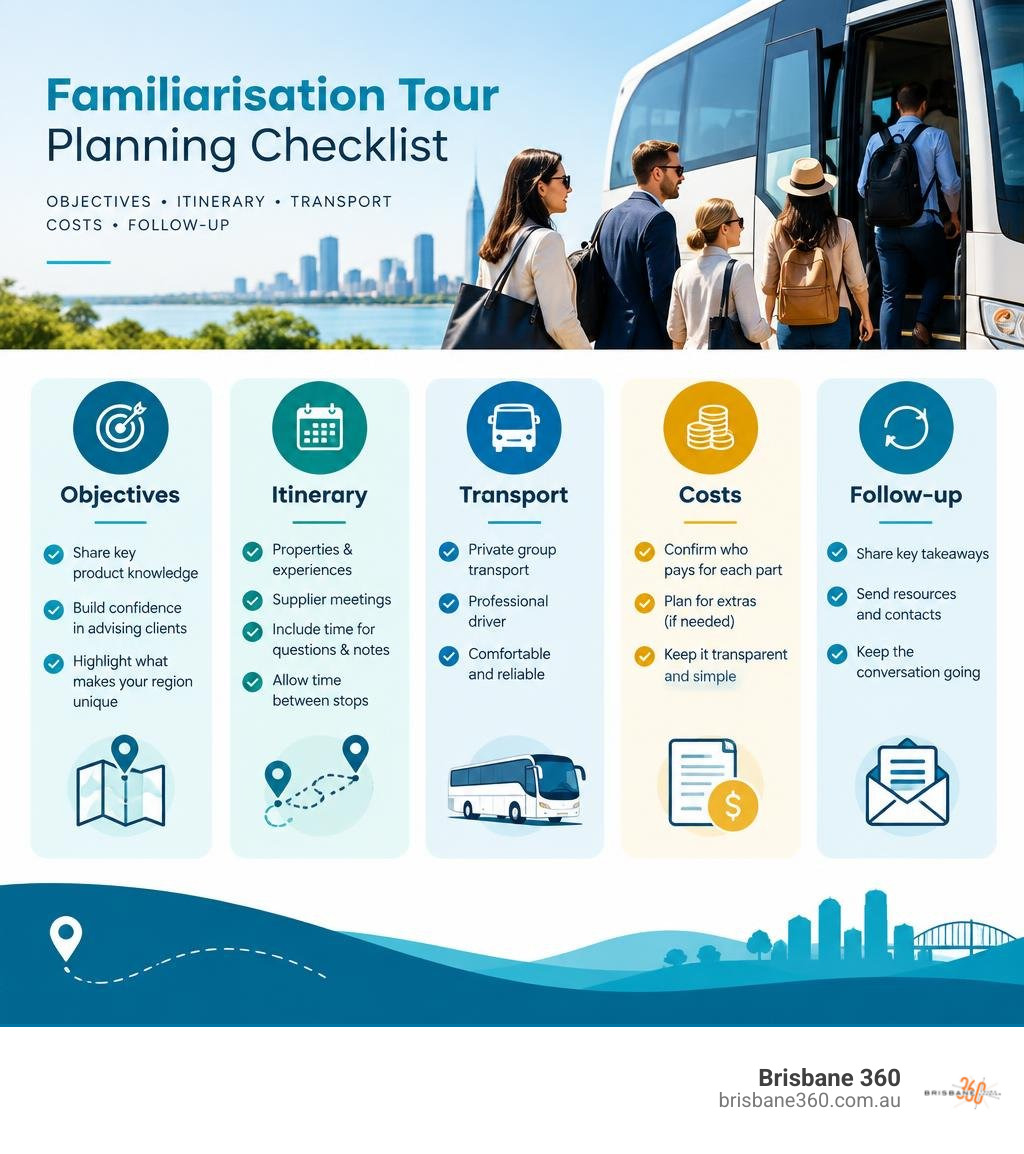
Familiarisation tour planning checklist covering objectives, itinerary, transport, costs and follow-up infographic

Key Takeaways

  • Firsthand Product Insight: A familiarisation tour equips inbound travel agents, outbound advisors, and corporate planners with authentic operational insight into regional destinations.
  • Structured Pacing: Balanced itineraries combine focused hotel site inspections, curated culinary stops, and partner networking with realistic transit buffers.
  • Commercial Alignment: Effective programs reflect real wholesale supply chains, establishing transparent supplier concessions and clear booking conversion goals.
  • Reliable Ground Coordination: Private coach hire with an experienced driver removes transit friction, safeguards duty of care, and keeps tightly timed trade itineraries on schedule.
  • Measurable Post-Trip Delivery: Systematic post-tour follow-up and conversion reviews turn educational investments into sustained client bookings.

Designing and Structuring an Industry Study Itinerary

A familiarisation tour gives travel professionals first-hand exposure to destinations, venues, and supplier offerings so they can assess whether those experiences suit their clients. For organisers, the practical task is to turn that learning objective into a realistic itinerary with enough time for site visits, questions, and travel between stops.

Travel advisors inspecting premium hotel suites during an industry study tour

To succeed, planners must balance supplier showcases with realistic pacing. Overloading a schedule with back-to-back inspections causes mental fatigue and dilutes product recall. A useful itinerary prioritises the most relevant inspections and allows enough time for meaningful conversations, note-taking, and travel between venues.

Objectives and Formats of Familiarisation Tours for Visiting Agents

The format should follow the organiser’s commercial objective. A single supplier may centre the itinerary on its own venues, while a destination-focused programme may combine several accommodation, attraction, and transport partners.

Select the stops, discussions, and hosted experiences around the audience’s client base and the products they are expected to recommend after the visit.

Whether designing multi-day regional circuits or curated familiarisation tours for visiting agents, hosts should mirror realistic guest travel times. Structured resort previews and trade itineraries prove that clear objectives help visiting agents understand property positioning and target demographics.

Budgeting, Inclusions, and Wholesale Pricing Chains

Commercial arrangements should be agreed in writing before the programme begins. Organisers can clearly identify which inclusions are funded, whether a participation fee applies, and which personal expenses remain the participant’s responsibility.

Where agents will package or sell the itinerary, provide clear supplier contacts, product information, and booking terms so the experience can be represented accurately after the visit.

If the programme includes a registration fee, refund condition, or booking incentive, document the terms clearly so every participant understands the commitment before accepting a place.

Selecting Qualified Buyers and Designing Multi-Day Schedules

Set selection criteria that match the purpose of the programme, such as relevant accreditation, market fit, or completed destination training.

Set the group size and itinerary length around the inspection schedule, venue capacity, travel distances, and the level of supplier access required. A smaller group can make it easier to keep discussions focused and move between stops efficiently.

Schedules should include dedicated desk time so delegates can maintain client communications back home, combined with structured B2B networking meals that bring local tourism operators directly to the buyers.

Coordinating Ground Transport Across South East Queensland

Flawless ground transport is vital for a successful trade visit. Visiting travel agents evaluate every element of an itinerary, including driving times, route scenery, vehicle comfort, and driver professionalism.

Organisers must maintain clear duty of care and active risk management throughout the journey. Navigating multi-stop itineraries across busy urban centres, coastal corridors, and hinterland roads demands professional coordination.

For multi-stop itineraries, Queensland coach services can help organisers keep the delegation together and coordinate transport around the planned schedule.

Managing Transit Corridors for Trade Delegations

Coordinating group transport for visiting agents requires careful route planning. Tight schedules leave little margin for navigation errors, parking delays, or traffic bottlenecks.

At Brisbane360, we coordinate private group transport across Brisbane and South East Queensland. We provide private bus hire and private coach hire with a professional driver, with vehicle capacity considered alongside the delegation size, luggage, and itinerary.

For itineraries across Brisbane, the Gold Coast, the Sunshine Coast, Ipswich, Logan, Redlands, or Moreton Bay, organisers can use corporate transport services to plan vehicle capacity and timing around their scheduled site visits.

Briefing Drivers and Managing Group Movement

A professional driver who understands the trade itinerary is a major asset. Prior to departure, we review access points, coach bays, and luggage handling requirements for every venue on the schedule. This proactive approach prevents drop-off confusion and ensures agents arrive refreshed for each property inspection.

Maximising Post-Tour Deliverables and Measuring Program Return

A successful fam tour relies on clear expectations, professional conduct, and structured follow-up from all participants. Organisers should provide a detailed briefing pack outlining business-casual dress codes, site-inspection expectations, and social media guidelines before departure.

After completing the on-ground itinerary, both organisers and participants should take deliberate steps to maximise their return on investment:

  • Participant Deliverables: Complete comprehensive feedback surveys, upload property inspection notes to agency databases, share insights with team members, and start promoting newly experienced products to clients.
  • Host Deliverables: Provide high-resolution image libraries, share direct wholesale booking contacts, and distribute digital product toolkits.
  • Conversion Tracking: Establish regular post-trip booking reviews to evaluate return on investment and support participating agents with direct product updates.

By integrating trade training with dedicated educational study tours logistics, tourism bodies and operators can build lasting trade partnerships that generate ongoing regional visitor revenue.

Frequently Asked Questions

What is the primary purpose of a familiarisation tour?

A familiarisation tour gives travel trade professionals, including travel agents, wholesale product managers, and meeting planners, firsthand experience with destinations, accommodation, transport links, and local attractions. Experiencing these services directly allows agents to provide authentic recommendations, plan itineraries accurately, and sell destination packages with confidence.

Who pays for the expenses on an agent study tour?

Most on-the-ground expenses, including accommodation, site inspections, scheduled meals, and local group transport, are hosted or subsidised by tourism boards, hotel chains, and local operators. Visiting agents or their host agencies are usually responsible for their flights, travel insurance, personal incidentals, and any agreed participation fees charged by the organiser.

How should organizers pace a multi-day fam trip itinerary?

Keeping the itinerary well-paced prevents delegate fatigue and allows agents to absorb product details effectively. Incorporating realistic driving buffers, free time for client correspondence, and focused inspection slots ensures agents stay engaged throughout the tour.

How do travel agents qualify for hosted trade tour invitations?

Organisers select agents based on active industry accreditation, sales track record, market alignment, and agency consortium partnerships. Many destination marketing organisations also require agents to complete online destination training modules before accepting their study tour applications.

Why is dedicated private group transport necessary for visiting agents?

Familiarisation tours operate on strict schedules with multiple hotel site visits, venue tours, and dinner appointments each day. Private coach hire with a professional driver ensures punctual arrivals, removes navigation and parking delays, safely accommodates delegate luggage, and allows visiting agents to network and take notes comfortably between stops.

Master Your Familiarisation Tours for Visiting Agents with Brisbane360

Travel agents boarding a private coach for a familiarisation tour in South East Queensland.

Planning successful familiarisation tours for visiting agents requires clear educational goals, a well-paced itinerary, and seamless on-ground coordination. By matching authentic supplier experiences with realistic transit times, destination managers and tour planners can turn first-time visitors into long-term sales advocates.

Managing multi-day schedules across South East Queensland requires coordinated group transport. At Brisbane360, we provide private coach hire and private bus hire with professional drivers across Brisbane, the Gold Coast, the Sunshine Coast, Ipswich, Logan, Redlands, and Moreton Bay, with the transport plan shaped around the itinerary and group requirements.

When you are ready to organise transport for your next travel trade itinerary or corporate event, explore our tailored services:

How do you organise transport for a familiarisation tour?

How Do You Organise Transport for a Familiarisation Tour?

To organise transport for a familiarisation tour, start by confirming who is travelling, how much luggage or equipment they will bring, and which itinerary times cannot move. Then match the group to the right private bus hire or private coach hire service, confirm venue access, share one clear run sheet, and prepare alternatives for delays. This approach keeps visiting buyers, media delegates, and event planners together, informed, and ready for each stop.

Hi, I’m Cam Storey, owner of Brisbane360. I’ve worked in passenger transport since 2009, including hands-on group and event transport across South East Queensland. My team and I coordinate private transport around Brisbane and the wider region, so I know that the smoothest familiarisation tours are planned around realistic routes, group movement, venue access, and clear communication before the day begins.

A familiarisation tour, often shortened to FAM tour, gives travel trade representatives, media, corporate planners, or event organisers first-hand experience of a destination, venue, or programme. Transport matters because it connects every part of that experience. A comfortable, well-timed journey gives delegates time to absorb what they have seen instead of worrying about missed appointments, confusing meeting points, or luggage.

Key Takeaways

  • Build the transport plan from the itinerary’s fixed times, not optimistic travel estimates.
  • Confirm passenger numbers, luggage, accessibility needs, and equipment before selecting a vehicle.
  • Check coach access, loading areas, and parking arrangements with every venue in advance.
  • Give the driver and tour coordinator one final run sheet with current contacts and decision points.
  • Keep a practical contingency plan for traffic, weather, delayed arrivals, and changes to the programme.

How Do You Plan Transport for a Familiarisation Tour in 6 Steps?

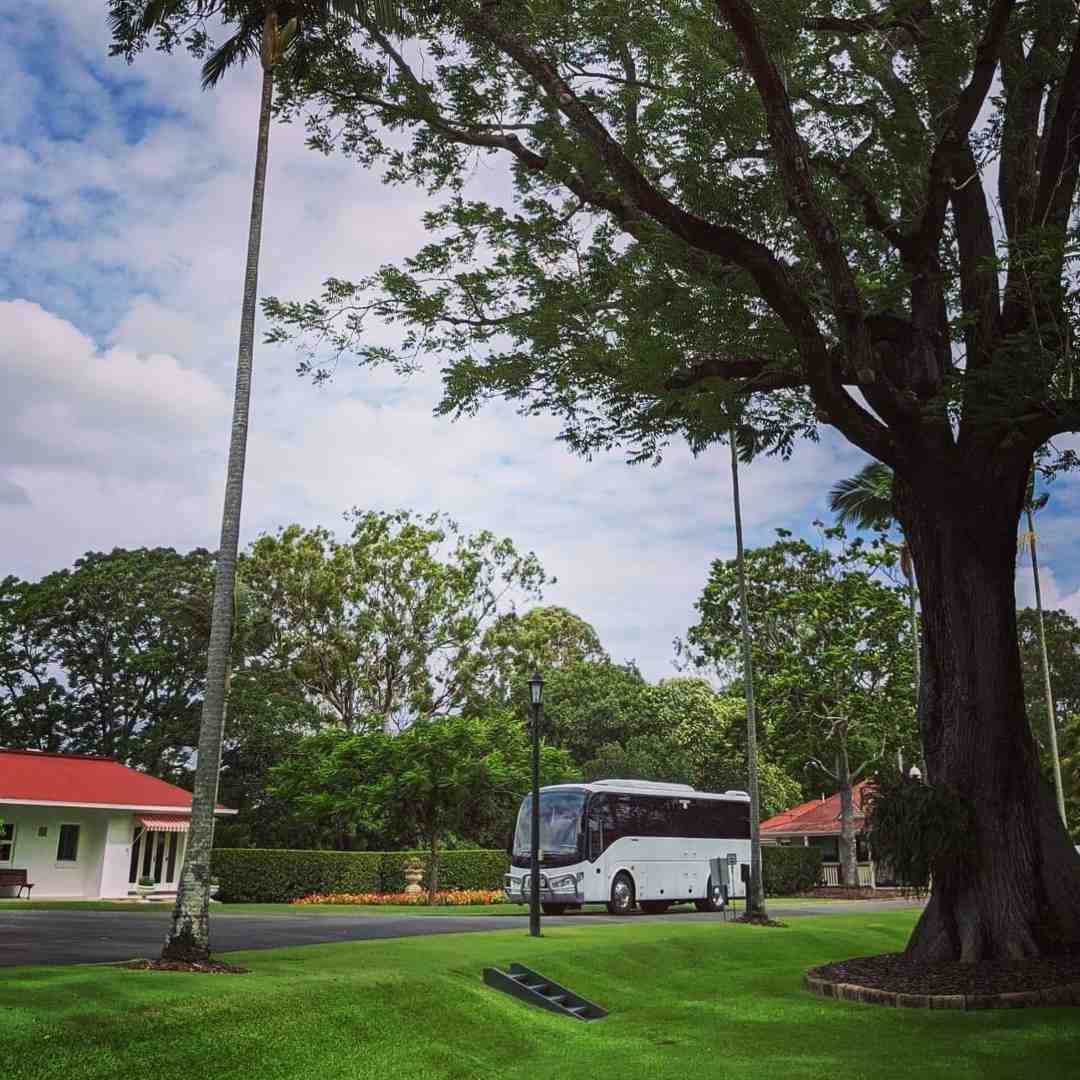
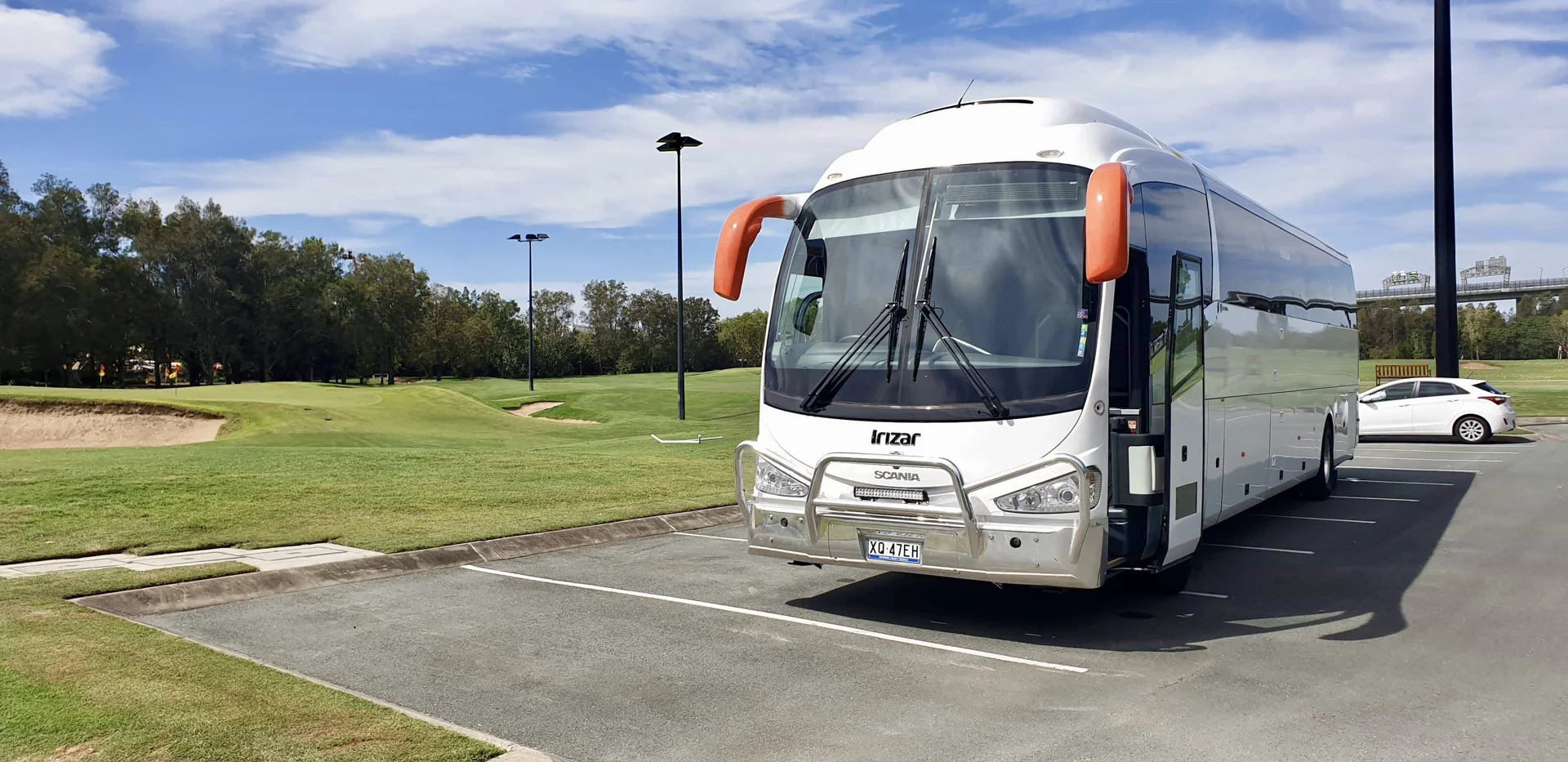
Original Brisbane360 coach prepared for a familiarisation tour group

A strong FAM tour transport plan follows six connected steps: define the group, test the itinerary against real conditions, choose an appropriate vehicle and professional driver, confirm access at every stop, set communication rules, and prepare for disruption. The aim is not simply to move people between venues. It is to protect the schedule and make each transition feel organised for delegates.

Our fleet of luxury mini buses is constantly growing and updating, with 7, 13, 24, 33, 37/39, 57, 61 seats available to suit different group sizes.

Step 1: Confirm the Group’s Transport Requirements

Create a passenger manifest several weeks before the tour and update it as invitations change. Record delegate numbers, luggage volume, mobility needs, presentation equipment, dietary items that must travel with the group, and any VIP seating or assistance requirements. Seat count alone is not enough when delegates are carrying trade materials, camera equipment, or overnight bags.

For groups being introduced to local venues and experiences, familiarisation tours for visiting agents can help shape the practical itinerary around the group rather than treating transport as an afterthought.

By capturing these requirements early, you can plan tailored familiarisation tours for visiting agents that deliver exceptional hospitality from the first pickup.

Step 2: Build an Itinerary Anchored in Real-World Transit Timing

Work backwards from fixed commitments such as venue presentations, hosted meals, timed attractions, and meeting appointments. Identify which stops are essential and which can move if the day changes. Then allow an additional 10 to 15 minutes at departure points where the full group, luggage, or accessibility assistance must be coordinated. Review the likely traffic pattern for the Pacific Motorway, Bruce Highway, and inner-Brisbane routes at the time the group will actually travel, rather than relying on a single off-peak map estimate.

Driver availability and rest periods also need to be built into the schedule. The National Heavy Vehicle Regulator’s work and rest guidance outlines why these limits must be planned in advance for heavy-vehicle operations. Treating a rest break as part of the itinerary helps avoid last-minute changes that affect the delegate experience.

Step 3: Match the Vehicle to the Group and the Route

Choose a vehicle based on passenger comfort, luggage capacity, road access, and the length of time people will be travelling together. Private bus hire or private coach hire with a professional driver keeps the group together and gives the tour coordinator one reliable point of contact during each movement.

Prioritise practical features such as ducted air-conditioning, comfortable seating, luggage storage, USB charging, and a clear PA system for commentary. For longer multi-stop programmes, the vehicle should also suit the narrowest driveway, lowest clearance, and tightest turning area on the route, not only the largest destination.

For longer multi-stop programmes, luxury tour bus hire can help keep the group together while supporting fixed schedules, luggage needs, and venue access.

Step 4: Confirm Venue Access Before the Day

Ask each hotel, attraction, winery, convention venue, or regional experience to confirm its preferred group arrival point. Check where the vehicle can pull in, whether there are height or weight restrictions, how long it may wait, and how far delegates will need to walk from the set-down point.

This simple pre-check prevents common disruptions, including a coach arriving at the wrong entrance, luggage being unloaded in a public parking area, or the group being split while staff look for the correct access point. Add venue contacts and exact set-down instructions to the driver run sheet.

Step 5: Use One Run Sheet and Clear Communication Rules

Share a final master run sheet with the tour coordinator, driver, and key venue contacts at least 48 hours before departure. It should list addresses, arrival windows, primary contacts, delegate numbers, access notes, and the person authorised to approve a change to the day.

Keep communication simple during the programme. A single group channel for the coordinator and logistics team can handle updated arrival times, venue requests, and changes to delegate numbers without creating conflicting instructions for the driver.

Step 6: Plan for Delays Without Overcomplicating the Day

Prepare practical alternatives for weather, road closures, late-running venue sessions, or a delayed group departure. Decide in advance which non-essential stop can be shortened, which route has a workable alternative, and when the coordinator should notify the next venue.

The best contingency plans are specific but brief. They give the team permission to make a calm, timely decision while keeping the delegate experience professional.

What Are the Key Mistakes to Avoid When Managing Tour Logistics?

The most common FAM tour transport mistakes are overloading the day, choosing a vehicle by seats alone, overlooking coach access, and leaving decisions until delegates are already on the road. Avoiding these issues protects the itinerary and helps visitors experience the destination at a comfortable pace.

luxury mini-coach driving through scenic South East Queensland

  1. Trying to fit too many venues into one day: A crowded programme leaves little room for traffic, questions, refreshments, or longer conversations at the venues delegates are there to assess. Prioritise a smaller number of meaningful stops.
  2. Underestimating luggage and equipment: A group may fit into the available seats but still need more storage for bags, display materials, cameras, or welcome packs. Confirm the practical load before finalising the vehicle.
  3. Assuming every venue has easy coach access: Inner-city loading zones, narrow estate driveways, low branches, and limited turning areas can change the transport plan. Check them in advance with venue staff.
  4. Giving incomplete information to the driver: The driver needs the current route, set-down instructions, venue contacts, and changes to the programme, not only a list of suburb names.
  5. Using separate versions of the itinerary: Keep one current run sheet so the coordinator, driver, and venue contacts are working from the same timings and decision points.

Frequently Asked Questions About Familiarisation Tour Transport

How far in advance should FAM tour transport be booked?

Start planning as soon as the itinerary and likely delegate numbers are known. Confirm the vehicle and driver early, then finalise passenger numbers, luggage requirements, and venue access details closer to the event.

What information should be included in a FAM tour transport run sheet?

Include the date, group size, vehicle details, every venue address, planned arrival and departure times, set-down instructions, luggage notes, contact names, and the person who can approve a route or timing change.

What size bus is best for a familiarisation tour?

The right size depends on the final passenger count, luggage, equipment, route restrictions, and comfort expectations. Select a vehicle with enough space for the full practical load, not only the number of seats required.

How do you keep a familiarisation tour on time?

Use realistic travel windows, protect fixed appointments first, allow time for the group to board and unload, and agree on a simple decision process for unexpected delays. A shared run sheet gives everyone a clear reference point throughout the day.

Should a tour coordinator travel with the group?

For multi-stop or high-profile programmes, a coordinator travelling with the group can manage delegate questions, check attendance, liaise with venues, and keep the driver updated without interrupting the route.

Organising Transport for a Familiarisation Tour with Brisbane360

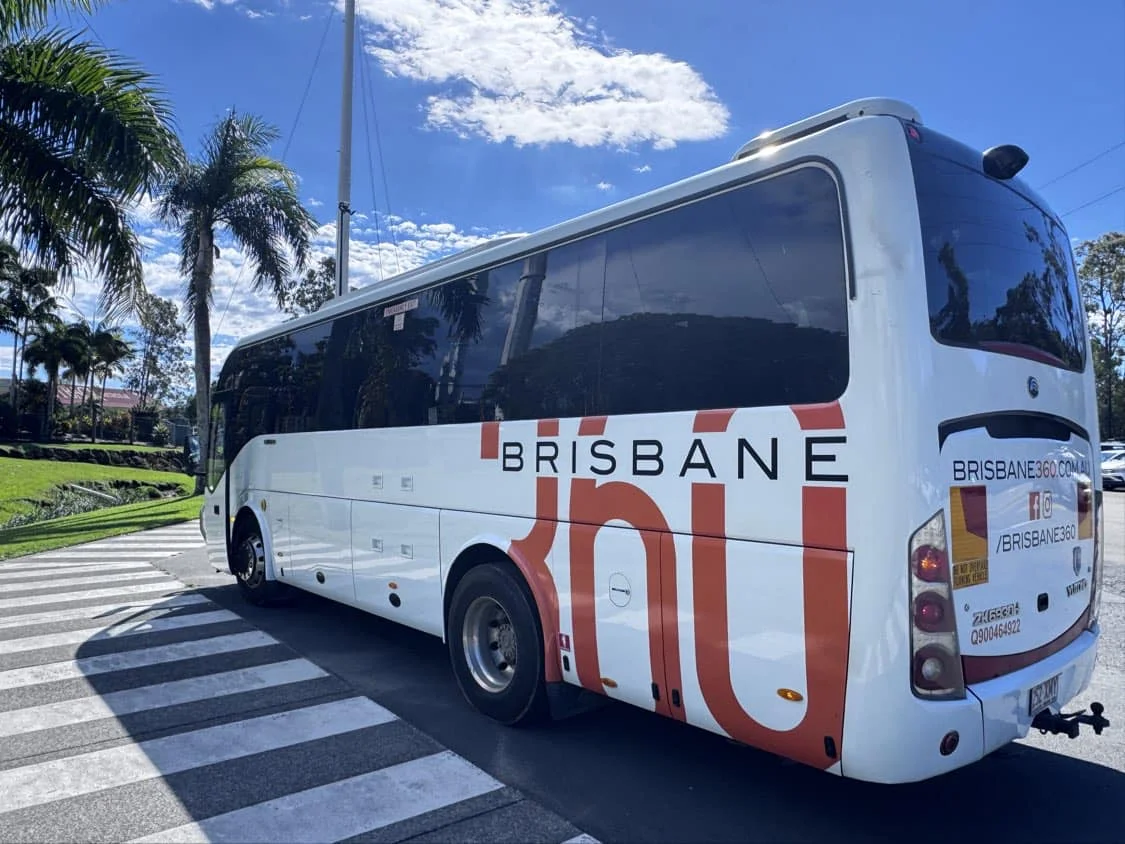
Original Brisbane360 bus ready for private group transport in South East Queensland

When you organise transport for a familiarisation tour, the essentials are clear: confirm the group and luggage requirements early, build realistic travel time into the programme, select a vehicle suited to both the route and the delegates, and give every stakeholder one reliable run sheet. These details help the day feel calm and considered, even when the schedule changes.

Brisbane360 provides private bus hire and private coach transport with professional drivers across Brisbane and South East Queensland. With practical experience in route planning, vehicle selection, group pickups, and event logistics, the team can help coordinators prepare a transport plan that supports the wider FAM tour experience without adding unnecessary complexity.

For help planning your upcoming programme, explore:

Brisbane360 coach ready for professional seminar group transport

Choosing the Right Seminar Transport Option

Seminar transport is easiest to manage when organisers choose an option that suits attendee numbers, venue location, travel distance, arrival deadlines and budget. Public transport can work well for a central venue with convenient services. Private cars, rideshare and taxis offer flexibility for individual attendees, but they can create parking pressure and uneven arrival times. For a larger group travelling from shared pickup points, corporate bus hire can keep everyone on one coordinated schedule.

The practical choice depends on the event. A small seminar near a major transport hub may only need clear travel guidance. A business event with tight registration times, limited parking or multiple venues may benefit from professionally driven group transport. Considering these details early helps organisers reduce last-minute changes and create a smoother arrival experience.

Transport should be part of the event plan rather than a final booking task. Queensland’s event resources emphasise planning practical arrangements for attendees, while Translink’s event-planning guidance shows why access, arrival patterns and travel information matter when people are attending the same venue. For seminar organisers, that means confirming how people will arrive, where vehicles can stop safely and who will communicate any changes before the day. See the Queensland Government event resources and Translink’s event-planning guidance for broader event-access considerations.

Hi, I’m Cam Storey, owner of Brisbane360. I’ve worked in passenger transport since 2009 and have hands-on experience coordinating private group travel for seminars, corporate workshops and event days across South East Queensland. My team and I plan professional transport with a driver around real pickup points, venue access and event schedules, so delegates can arrive together and ready to take part.

Key Takeaways

  • Seminar transport can include public transport, individual travel options and professionally driven group transport.
  • Attendee numbers, venue access, parking and arrival deadlines should guide the decision.
  • Corporate bus hire is useful when a group needs coordinated pickups, travel and arrivals.
  • Pickup locations, passenger requirements and return timing should be confirmed before booking.
  • A clear itinerary and a single event-day contact help corporate event transport run more smoothly.

1. What Are the Main Transport Options for Seminars?

Brisbane360 bus for coordinated seminar attendee travel

The best option is not the same for every seminar. Organisers should compare convenience for attendees with the amount of coordination required on the day. The key question is not simply how people can reach the venue, but whether the chosen approach supports a reliable start to the programme.

Public transport can suit venues in well-connected areas, especially when attendees are travelling independently. It may be less practical for early starts, equipment-heavy sessions or venues that require several connections. If it is the preferred option, organisers can provide the nearest stations or stops, a realistic walking time and a clear arrival window rather than assuming guests will know the area.

Private cars and rideshare give individuals flexibility, but organisers may need to account for parking availability, traffic and staggered arrivals. This can be manageable for a small local gathering, yet more difficult when a large group must arrive before registration closes. It is also worth checking whether the venue has a practical drop-off point, particularly during peak commuter periods.

Taxis can be useful for executives, guest speakers or attendees with a specific pickup need. They are usually better for individual journeys than for moving a full seminar group on one timetable. They can be a sensible complementary option when a few attendees need a different arrival arrangement.

Corporate bus and coach hire is often the most practical choice when attendees are travelling from the same office, hotel or meeting point. A professional driver can follow an agreed itinerary, helping the group arrive together and removing the need for each person to navigate an unfamiliar route. This is particularly helpful when registration has a firm cut-off time, parking is scarce or the day includes travel between venues. For more planning ideas, see Brisbane360’s guide to corporate bus hire in Brisbane.

A mixed approach can also work. For example, a business may arrange group transport from one central office while providing public-transport guidance for attendees travelling directly to the venue. The right decision is the one that makes arrival expectations clear and reduces avoidable coordination on the day.

2. How to Choose the Best Seminar Transport Option

Brisbane360 coach supporting organised corporate seminar travel

Choosing transport for events involves more than comparing a single quote. For groups travelling on one schedule, corporate event bus hire can provide a clear, professionally driven arrangement. Organisers should assess group size, venue access, travel time, passenger needs and the amount of coordination the seminar requires. This makes it easier to select a service that supports the schedule rather than adding another task on the day.

A useful starting point is to work backwards from the first essential event activity. If registration opens at 8.30 am, decide when attendees need to be at the venue, then allow time for unloading, walking from the drop-off point and checking in. This produces a more realistic departure time than simply estimating the drive. It also gives organisers a basis for communicating one clear itinerary to guests.

Number of Attendees and Vehicle Capacity

Start with confirmed registrations, then allow for late changes before selecting a suitable vehicle. Smaller seminars may suit a luxury van or minibus, while larger groups may need a coach. The right capacity should leave room for passengers to travel comfortably and account for any luggage, presentation materials or equipment that will be carried.

It is helpful to distinguish between invitations, expected attendees and confirmed passengers. The transport plan should be based on the best confirmed number available, with a clear process for handling late additions or cancellations. Where a seminar includes staff from different offices, ask whether everyone needs the same pickup arrangement before setting the vehicle size and route.

Venue Location, Pickup Points and Travel Time

Check where attendees are starting, how easily the venue can be accessed and whether parking is limited. A single pickup location may make group transport straightforward, while several pickup points can require a carefully planned route. Build in time for peak traffic, venue loading areas and registration so the group is not relying on a last-minute arrival. Brisbane360’s business event transport guidance for the Gold Coast is a useful example of planning around venue access and group movements. Organisers coordinating university or professional-development groups can also consider study tour group travel when a shared itinerary is needed.

Before confirming the itinerary, ask the venue where a bus or coach can safely set down and collect passengers. Some sites have a designated entrance, loading zone or time restriction that affects the route. Sharing that detail with the driver in advance is more reliable than resolving it after arrival. When several pickup points are necessary, keep the list short where possible and give each location a precise meeting instruction so no one is left looking for the group.

Budget and Overall Convenience

Individual travel can appear simple at first, but organisers should also consider parking, reimbursements, late arrivals and the time needed to coordinate separate journeys. Corporate event transport can offer a clearer plan when many attendees need to travel together. The most suitable option is the one that balances the overall budget with reliable timing and a straightforward experience for guests.

A like-for-like comparison considers the whole arrangement. For example, separate travel may involve multiple reimbursement claims, parking charges and a greater risk of late arrivals, while group transport concentrates the timing and communications in one plan. That does not make one option right for every seminar, but it helps organisers compare the operational effort as well as the initial booking cost.
Accessibility, Comfort and Event Scheduling

Before confirming a booking, provide passenger numbers, travel dates, pickup and drop-off locations, the itinerary, arrival deadline and any relevant passenger requirements. Ask the transport provider about vehicle suitability for the group, as needs can vary depending on mobility requirements, luggage and event equipment. Confirm the return trip and nominate one contact person who can handle event-day updates.

Comfort also affects the experience of a full seminar day. Consider the likely travel duration, whether delegates will be carrying laptops or materials, and whether the return journey follows networking or evening activities. A named event-day contact should have the driver’s details, the venue contact and the latest passenger count. This simple handover reduces confusion if a meeting point changes or the programme runs later than planned.

3. When Does Corporate Bus Hire Make Sense for a Seminar?

Brisbane360 bus for coordinated corporate seminar arrivals

Corporate bus hire makes sense when a seminar needs attendees to travel together, arrive by a set time or move between more than one location. It can be especially useful for a shared office pickup, a venue with limited parking, a program that includes a site visit or a group travelling to a networking function after the seminar.

It can also make the experience more consistent for guests who do not know the venue or the local area. Instead of asking each attendee to interpret separate directions, organisers can share one departure time, one meeting point and one arrival plan. This is valuable when the seminar programme begins promptly or attendance is spread across a large organisation.
A simple planning process keeps the arrangement practical:

  1. Confirm attendee numbers and any relevant passenger requirements.
  2. Choose a vehicle that suits the group size and travel needs.
  3. Set pickup locations, departure times and the required venue arrival time.
  4. Confirm the itinerary, return arrangements and the event-day contact person.
  5. Reconfirm the final details with the transport provider before the event.

Brisbane360 provides private bus hire and private coach hire with a professional driver for businesses organising seminars and corporate events across Brisbane and South East Queensland. For a broader look at organising a group journey, read the Brisbane guide to bus hire for corporate events.

For the smoothest result, share the final itinerary with attendees before the event and reconfirm the departure details close to the day. Include the meeting point, departure time, event-day contact and any instructions for returning to the vehicle. Clear communication is a practical form of risk management: it helps the group leave on time and gives organisers a simple way to respond when plans change.

Seminar Transport Questions

What is the best transport option for a corporate seminar?

The best option depends on attendee numbers, the venue location, parking, travel time, arrival deadlines and budget. Public transport or individual travel may suit a small central event, while professionally driven group transport can be more practical when many attendees need to arrive together.

When should businesses consider corporate bus hire for seminars?

Organisers can compare Corporate Bus Hire, General Passenger Transport Services and Request a Tailored Seminar Transport Quote when confirming the right arrangement.

Businesses should consider corporate bus hire when attendees are travelling from a shared location, the venue has limited parking, the schedule requires a coordinated arrival or the program involves more than one venue. It gives organisers one agreed itinerary instead of multiple individual travel arrangements.

How far in advance should seminar transport be booked?

Booking lead time depends on the group size, event date, vehicle requirements and seasonal demand. Contacting a provider once the event date and likely attendee numbers are known gives more time to confirm suitable transport and plan the itinerary.

Is corporate bus hire suitable for small seminars?

It can be, depending on the group size, pickup arrangements and availability. A smaller group may be better suited to a luxury van or minibus, while a larger seminar may need a coach. A transport provider can help match the vehicle to the itinerary and passenger numbers.

What information should organisers provide when booking transport for events?

Provide the date, passenger numbers, pickup and drop-off locations, itinerary, venue arrival deadline, return timing and any relevant passenger requirements. Clear information helps the provider prepare a practical transport plan with a professional driver through general passenger transport services. If the itinerary is still being finalised, organisers can request a tailored seminar transport quote.

Plan Seminar Transport Around Your Attendees

Reliable seminar transport starts with the people attending. Choose an option that matches the group size, venue access, timing and level of coordination needed, then confirm the itinerary well before the event. When a group needs to travel together, corporate bus hire can simplify arrivals and help the program stay on schedule.

Brisbane360 provides professional group transport with a driver for seminars and corporate events across Brisbane and South East Queensland. Read more about our team here.

Brisbane360 coach for private corporate group transport in Brisbane

How Do You Organise Transport for a Business Meeting?

Transport for business meetings is easiest to manage when the full day is planned as one connected itinerary rather than a series of separate trips. List each meeting location, confirm who is travelling, allow realistic time between venues, and share one clear schedule before the day begins. This approach helps colleagues stay together, reduces last-minute confusion, and gives the day room to absorb normal delays.

Hi, I’m Cam Storey, owner of Brisbane360. I’ve worked in passenger transport since 2009 and have helped coordinate private group transport across Brisbane and South East Queensland for days with several venues, changing attendance numbers, and tight meeting times. From my experience, the strongest plans start with the real agenda, practical pickup points, and enough flexibility for a meeting that runs longer than expected.

Key Takeaways

  • Map every meeting address, start time, finish time, and contact person before confirming transport.
  • Choose private transport around the group size, access needs, and any equipment or presentation materials.
  • Add sensible buffers for traffic, parking, boarding, and meetings that overrun.
  • Give attendees one itinerary with pickup details and a single contact person for changes.
  • Use one coordinated booking for multi-stop days so the group can move together.

How Do You Plan Transport Around Multiple Business Meetings?

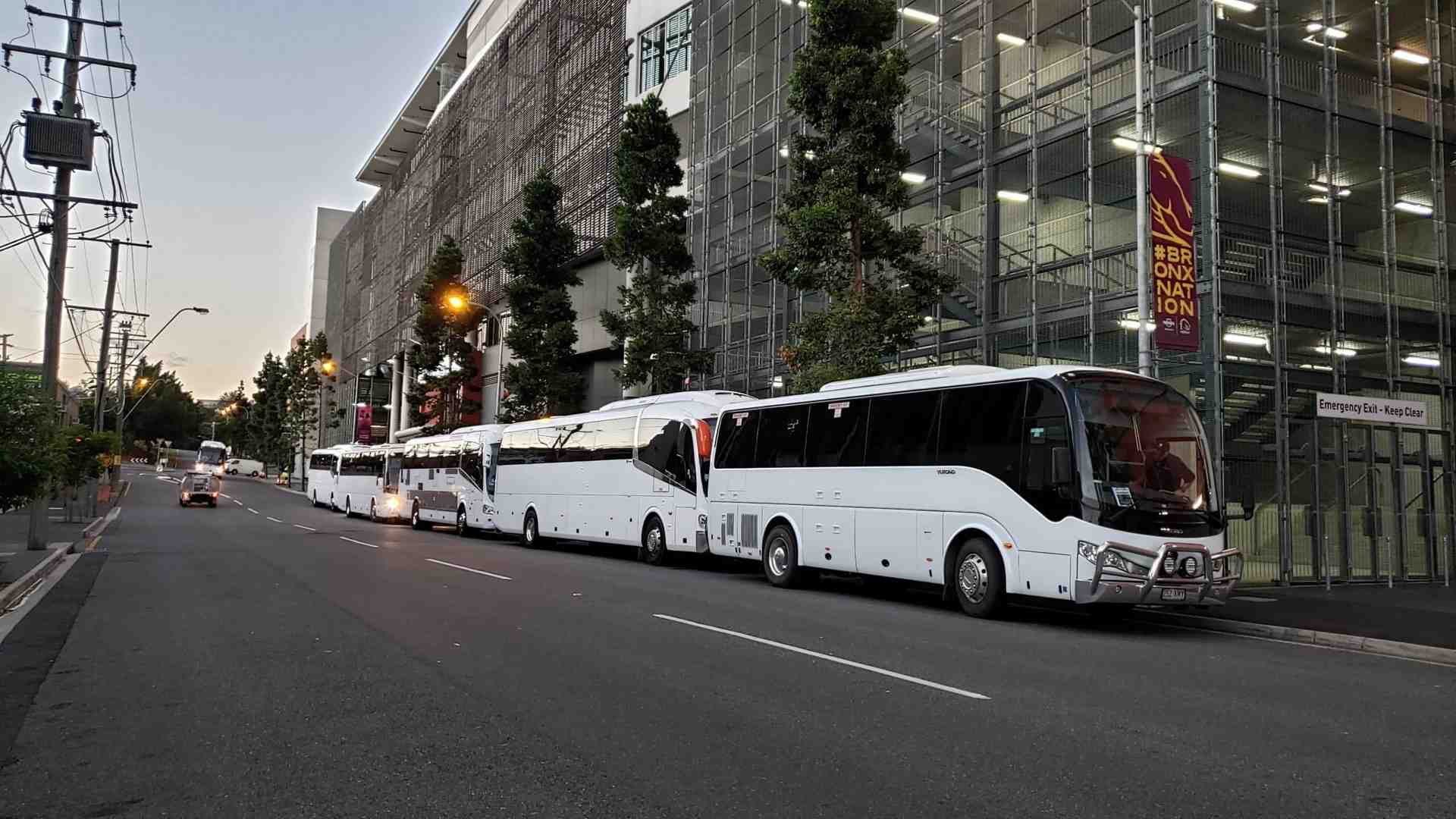
Brisbane360 bus ready for a multi-stop business meeting itinerary

Start with the fixed points in the day: meeting start times, venues, and the final finish time. Then work backwards to set pickup times and travel windows. A useful run sheet includes the full address for each stop, building entry or loading instructions, the expected number of passengers, and the name and mobile number of the person coordinating each location.

Where possible, group meetings by area rather than crossing Brisbane repeatedly. A day that moves between nearby CBD venues, for example, is easier to manage than one that alternates between distant locations. Allow time for traffic conditions, finding the correct entry point, passenger boarding, and any short walk from the set-down area to reception.

Build a buffer into each transfer, particularly around morning and afternoon peak periods. The buffer is not wasted time. It gives the group a practical margin if a meeting runs over, an attendee is delayed, or access at the next venue takes longer than expected. For broader venue and timing considerations, the Brisbane corporate events planning guide offers useful preparation guidance.

Before the day, send the final itinerary to everyone travelling and nominate one transport coordinator to communicate changes. That coordinator should confirm any revised finish times promptly so the next leg can be managed without relying on multiple people passing on updates.

What Type of Transport Is Best for a Business Meeting Group?

Brisbane360 private coach for a corporate business meeting group

The right vehicle depends on how many people are travelling, the route, the space required for bags or presentation materials, and the access conditions at each venue. Keeping colleagues together can make the day simpler because everyone arrives at the same time and has the same understanding of the schedule. It may also reduce individual vehicle use and parking pressure, as outlined in our sustainable transport for corporate events guide.

For smaller groups, a private mini bus may suit an itinerary that includes tighter streets or several short stops. A larger team travelling across Brisbane or South East Queensland may be better suited to private coach hire, particularly when there is more room needed for passengers and equipment. The important point is to match the vehicle to the confirmed group, not just the number of invitations sent.

When arranging corporate transport in Brisbane, provide the expected passenger count, every meeting address, the pickup time, the full itinerary, the expected finish time, and any accessibility requirements. That information helps Brisbane360 plan private bus hire or private coach hire with a professional driver around the group’s actual needs.

Check the practical details early. Ask attendees whether they have mobility requirements, whether anyone will join at a later stop, and whether materials need to travel with the group. It is much easier to account for those details before the schedule is final than to adjust the plan on the day.

How Can You Keep Business Meeting Transport Running on Schedule?

Brisbane360 bus prepared for reliable corporate group transport

Reliable business meeting transport depends on clear communication before and during the day. Confirm exact pickup and set-down points rather than only naming the building. Larger offices, hotels, precincts, and multi-entrance venues can create unnecessary delays if the group does not know where to meet.

Give every attendee a simple itinerary with the first pickup time, each planned stop, the lead coordinator’s contact details, and any changes they need to know about. The transport coordinator should be the single point of contact for the driver and the group, which keeps instructions clear if a meeting finishes later than planned or attendance changes.

A practical contingency plan should cover the most likely disruptions: traffic congestion, a delayed meeting, a change to the passenger list, or restricted access at a venue. For days involving multiple stops, private group transport with a professional driver gives the organiser one coordinated point of contact rather than leaving each attendee to navigate, park, and arrive separately.

Brisbane360 provides private bus and coach transport across Brisbane and South East Queensland for groups that need a well-organised, multi-stop business day. The focus is on agreeing the itinerary in advance and keeping the group informed as the day progresses.

Frequently Asked Questions About Business Meeting Transport

How far in advance should I organise transport for business meetings?

Book as early as practical once the meeting dates, locations, and approximate group size are known. Early planning gives more time to coordinate the itinerary and confirm a suitable vehicle, especially when the day includes several stops.

Is private bus hire suitable for a small corporate group?

It can be. Suitability depends on the number of travellers, the route, the time spent between meetings, and the vehicle selected. A smaller group may still benefit from corporate bus hire or private bus hire and group transport when the schedule is tight or several venues are involved. A tailored quote can be based on the agreed itinerary and group requirements.

How much time should I allow between business meetings at different locations?

Allow for the travel time as well as traffic, parking or set-down access, passenger boarding, and the possibility that the earlier meeting runs late. The right buffer will vary by route and time of day.

Can one booking cover multiple meeting locations?

Yes, a planned itinerary can coordinate multiple stops when the locations, timing, passenger numbers, and expected finish time are agreed in advance with the transport provider.

What information should I provide when booking corporate transport?

Provide the passenger number, pickup address and time, every meeting address, the full itinerary, expected finish time, contact details for the coordinator, and any passenger or accessibility requirements.

Organise Reliable Transport for Your Next Business Meeting Day

A well-planned day of transport for business meetings comes down to clear timings, a suitable vehicle, shared pickup details, and enough flexibility to handle normal changes. Brisbane360 coordinates private bus hire, private coach hire, and group transport with a professional driver across Brisbane and South East Queensland, helping business groups move between meetings with one practical plan.
To discuss an upcoming itinerary, explore these relevant services:

Brisbane corporate transport

Brisbane Corporate Transport: What Should Businesses Compare?

Brisbane corporate transport helps businesses move staff, clients and delegates between meetings, conferences, site visits and events across Brisbane and South East Queensland. When comparing providers, look beyond the vehicle itself: the right option should suit your group size, itinerary, timing, comfort needs and communication requirements.

Hi, I’m Cam Storey, owner of Brisbane360. I have worked in passenger transport since 2009 and have hands-on experience with route planning, vehicle selection, pickups and event logistics across South East Queensland. At Brisbane360, I have helped coordinate private transport for business groups when schedules change, venues have access restrictions or several stops need to work together.

Key Takeaways

  • Match the vehicle size to passenger numbers, luggage and the level of comfort required.
  • Confirm that private transport includes a professional driver and ask how the provider manages safety and vehicle readiness.
  • Share pickup points, stop times, venue access details and an onsite contact before the day.
  • Compare quotes against the complete itinerary, not the headline price alone.
  • Choose a provider that communicates clearly before and during the booking.

Which Vehicle and Driver Arrangements Suit Your Business Group?

The best vehicle arrangement starts with the real itinerary. Count passengers, consider luggage or presentation equipment, and think about how long the group will be travelling. Brisbane360 offers 7, 13, 24, 33, 37/39, 57 and 61-seat options, so a smaller meeting group and a larger conference delegation do not need the same solution.

Modern fleet vehicles parked outside a corporate conference venue

Private transport with a professional driver is different from vehicle-only hire. The provider should be able to discuss who will drive, how the day’s schedule will be coordinated and what information is needed for safe, practical pickups and drop-offs. For groups arranging corporate transport, it is also sensible to ask about vehicle maintenance processes, driver qualifications and the safety requirements that apply to the service.

Compare Capacity, Comfort and Itinerary Fit

A vehicle that technically has enough seats may still be unsuitable if guests are carrying bags, moving between several venues or travelling for an extended period. Provide the group size, luggage expectations, accessible travel needs and any changing passenger numbers so the provider can recommend an appropriate option.

Check Driver Experience and Safety Processes

Ask direct questions about the driver arrangement, the provider’s approach to vehicle upkeep and how they handle venue instructions. A clear answer matters more than broad promises, particularly for business event transport where timing and passenger communication affect the entire programme.

Plan for Coordinated Arrivals

Corporate group transport can reduce the administrative burden of separate travel arrangements when a team needs to arrive together. Confirm the meeting point, final passenger count and the contact person responsible for changes before the booking day.

Operations manager planning corporate transport routes on a tablet

How Should You Compare Corporate Transport Scheduling, Routes and Reliability?

A suitable vehicle is only part of a reliable booking. Before comparing providers, prepare a clear schedule showing each pickup, departure time, stop, venue access point and final destination. Include an onsite contact who can confirm changes if a meeting runs late or a loading area is temporarily unavailable.

Build the Itinerary Around Real Conditions

Brisbane and South East Queensland travel can be affected by peak periods, weather and access restrictions around busy venues. For example, a group travelling from the Brisbane CBD to a site visit in Logan or Moreton Bay may need different pickup timing from a conference group moving between Brisbane and the Gold Coast. A provider should be able to discuss the route plan in practical terms rather than simply accepting a list of addresses.

Confirm Multi-Stop Coordination and Communication

For professional group transport, ask how multiple stops will be sequenced, when final details need to be confirmed and who receives updates on the day. Share venue entry instructions, preferred drop-off locations and the order of passenger movements early. This gives the driver and operations team the information needed to coordinate the itinerary effectively.

Compare Reliability by Asking Specific Questions

Useful questions include how the provider handles a revised pickup time, whether the group contact can communicate a late change and what details must be finalised before travel. Clear answers help businesses compare scheduling support and communication arrangements without relying on assumptions.

How to Compare Corporate Transport Pricing and Booking

A useful quote reflects the complete job, not just the distance between two addresses. Give each provider the passenger count, travel date, pickup and destination details, proposed timings, number of stops, luggage expectations and any venue access instructions. This helps you compare like for like when assessing corporate bus hire Brisbane options or private coach hire for a larger group.

Ask what is included, how booking changes are managed, how the group contact communicates on the day and whether invoicing arrangements suit your business process. Price matters, but the best option is the one that can deliver the right vehicle, professional driver and coordinated itinerary for the group’s actual needs.

Corporate Bus Hire vs Private Coach Hire: Which Is Better for Business Travel?

The difference between corporate bus hire and private coach hire usually comes down to group size, travel distance, passenger comfort and itinerary requirements. Both can provide private group transport with a professional driver, but the most suitable option depends on how a business needs to move people.

  • Corporate bus hire: A practical option for staff movements, local meetings, site visits and smaller business groups travelling between multiple locations.
  • Private coach hire: Often suitable for larger conference delegations, corporate functions, training days and longer group journeys where passenger capacity and onboard comfort are important.
  • Multi-stop corporate transport: Useful when a group needs coordinated travel between hotels, offices, event venues or project sites.
  • Dedicated event transport: Helps businesses organise group arrivals and departures around a conference, company function or scheduled programme.

When comparing options, consider the number of passengers, luggage requirements, travel time, pickup locations and whether everyone needs to arrive together. A larger vehicle is not automatically the better choice, just as the lowest-capacity option may not provide enough room for a comfortable journey.

At Brisbane360, businesses can compare private transport options ranging from 7-seat vehicles to 61-seat coaches, with a professional driver. Sharing an itinerary and passenger requirements allows the team to recommend a suitable arrangement for business travel across Brisbane and South East Queensland.

Frequently Asked Questions

What is included in corporate transport services in Brisbane?

Corporate transport can include a private bus or coach with a professional driver for business group movements. Confirm the proposed vehicle, driver arrangement, itinerary and communication process with the provider before booking.

How do I choose the right bus size for a corporate group?

Start with passenger numbers, then account for luggage, equipment, trip length and comfort needs. Share those details with the provider so the recommended vehicle suits the full group rather than the minimum seat count.

How far in advance should I book corporate group transport?

Availability depends on the date, group size, route and service requirements. Contact the provider as early as practical and confirm the required lead time for your specific itinerary.

What information do I need to request a corporate transport quote?

Provide the date, passenger numbers, pickup locations, destination, timings, stops, luggage needs and an onsite contact. The more complete the itinerary, the easier it is to receive a quote that reflects the required service.

Can private corporate transport accommodate multiple stops?

Yes, provided the stops and timing are discussed in advance. List each location in order, include venue access details and flag any time-sensitive meeting or event commitments.

Choosing the Right Brisbane Corporate Transport Provider

When comparing Brisbane corporate transport services, match the vehicle, professional driver, route plan, communication process and quote to your group’s real itinerary. Brisbane360 brings hands-on experience coordinating private group travel across Brisbane and South East Queensland, with private bus hire, private coach hire and group transport provided with a professional driver.

corporate transport provider

Choosing a Corporate Transport Provider in Brisbane

A corporate transport provider helps businesses move executive teams, delegates and event groups on a planned timetable, with the right vehicle, professional driver and a single point of coordination. The best choice is not simply the largest vehicle available. It is the provider that can show clear safety processes, realistic route planning, responsive communication and a fleet that fits the group, venue and event schedule.

For conferences, client events, roadshows and multi-site meetings across Brisbane and South East Queensland, early planning reduces last-minute changes and makes arrival times easier to manage. This guide explains how to compare corporate transport providers, what to ask before booking and how to plan group movements with greater confidence.

Hi, I’m Cam Storey, owner of Brisbane360. I’ve worked in passenger transport since 2009, with hands-on experience in route planning, vehicle selection, pickups and event logistics across South East Queensland. Through Brisbane360, I’ve helped coordinate private transport for corporate events, conferences and large group movements, where practical planning, clear communication and dependable delivery matter just as much as the vehicle itself.

Key Takeaways

  • Choose a provider that can explain its driver, vehicle maintenance and fatigue-management processes.
  • Match vehicle capacity to passenger numbers, luggage, accessibility needs and the venue timetable.
  • Confirm who will manage changes on the day and how updates will be communicated.
  • Allow time for loading, venue access, peak traffic and contingency routes.
  • Provide the itinerary, pickup points and final passenger count early so the plan can be checked properly.

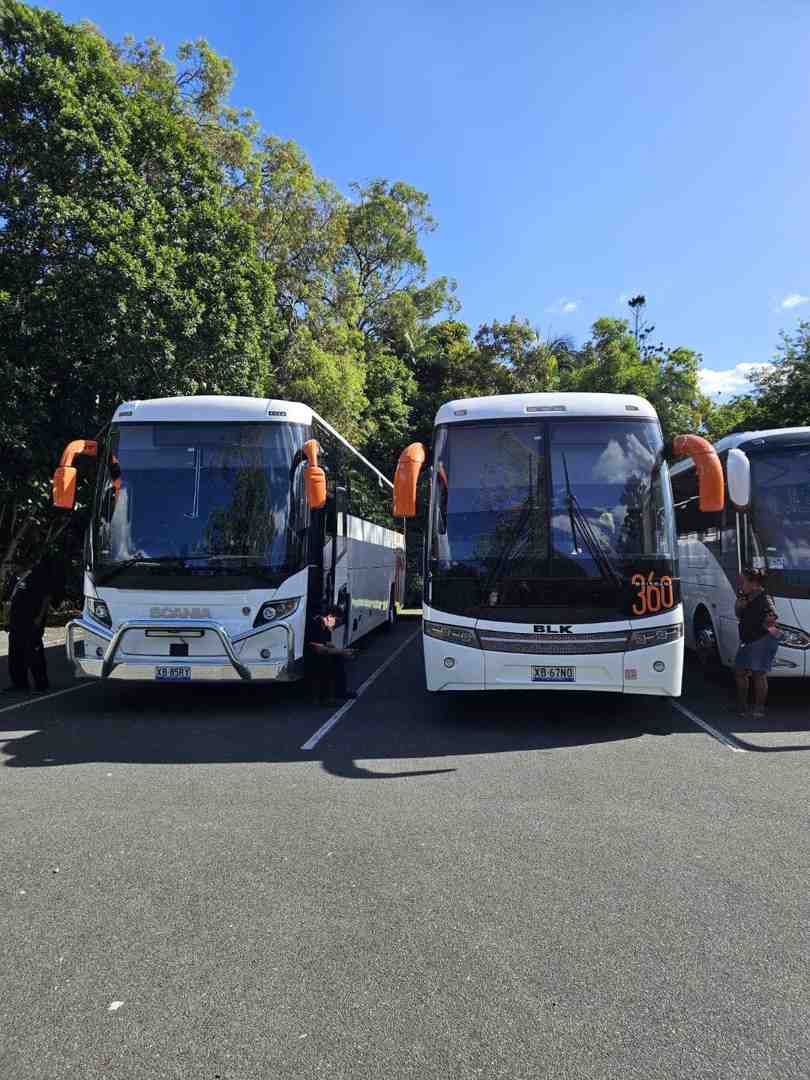
Brisbane360 corporate fleet at conference venue

What Should You Check Before Choosing a Corporate Transport Provider?

Start with the operational details that affect the event, not just the vehicle list. A dependable provider should be able to discuss service coverage, driver standards, vehicle suitability, communication procedures and the process for handling changes. This gives travel managers and executive assistants a practical basis for comparing options.

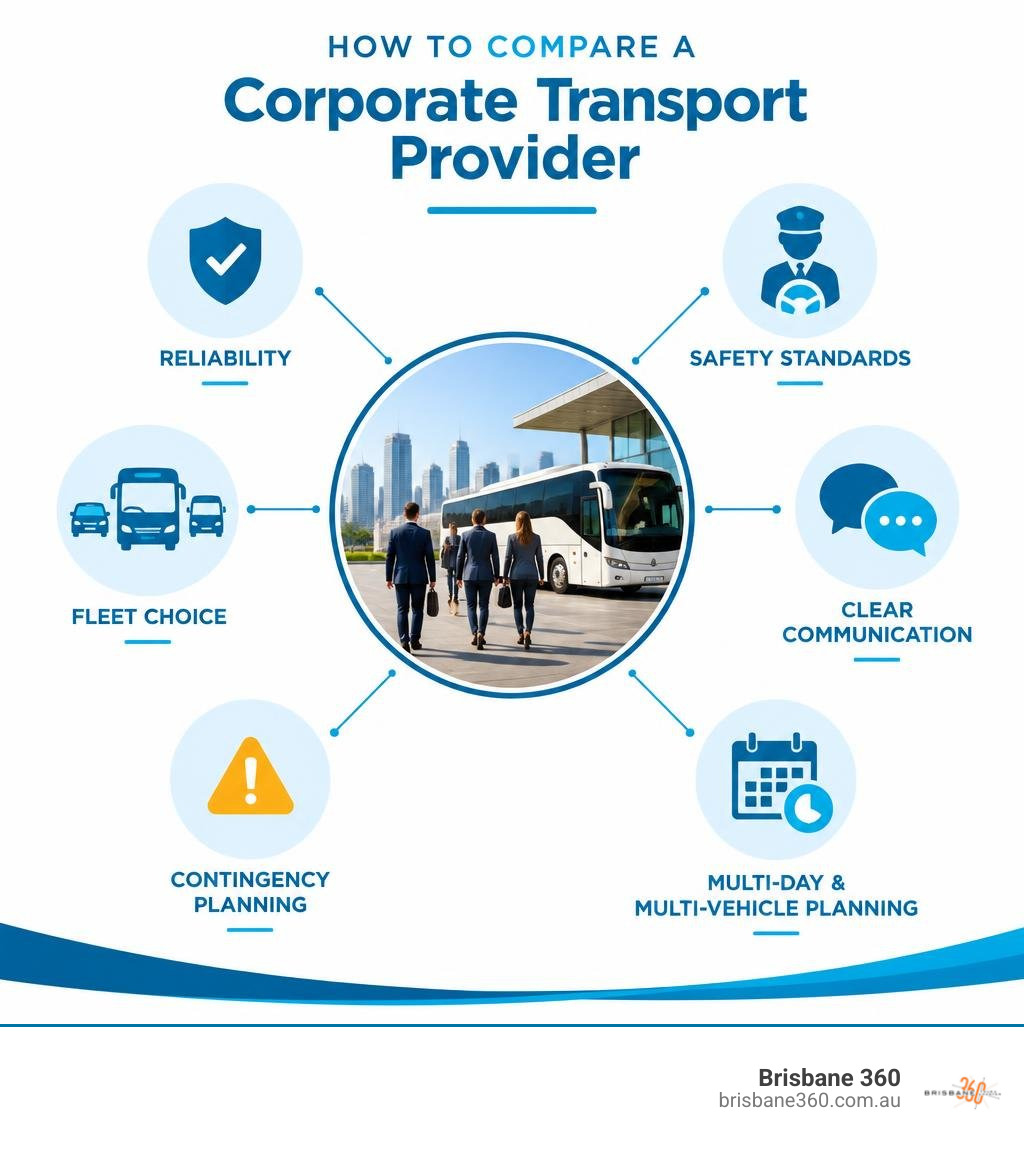
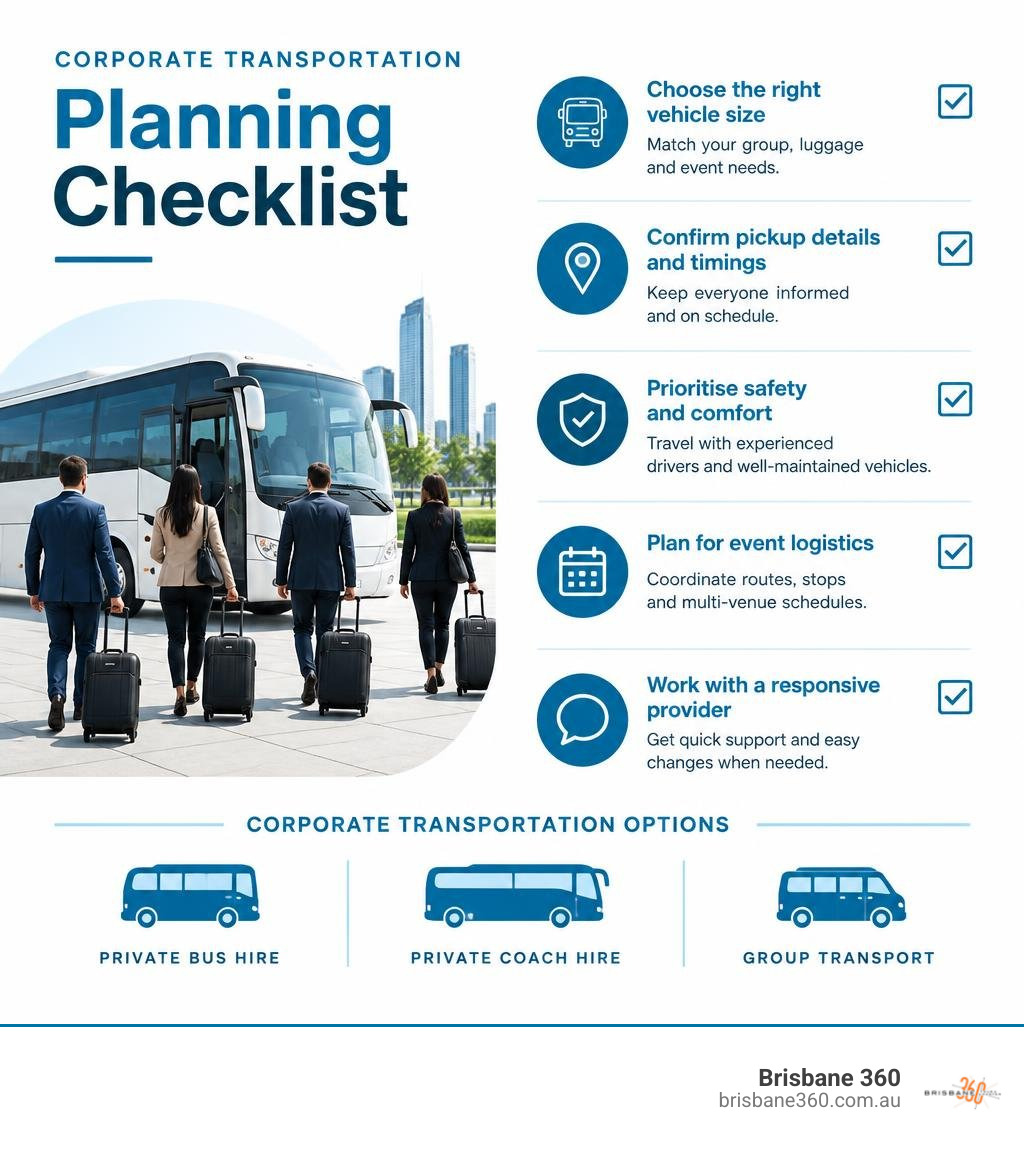
Corporate transport provider comparison criteria infographic

Safety, Driver Standards and Duty of Care

Ask how drivers are vetted, how vehicles are maintained and how the provider manages fatigue, delays and changing conditions. The National Heavy Vehicle Regulator identifies fatigue management, work and rest hours, and record keeping as key compliance areas for heavy vehicle operations. For corporate organisers, that makes it sensible to ask direct questions about the provider’s operational controls rather than relying on broad assurances.

Professional group transport also keeps delegates together, supports more consistent arrival times and reduces the administrative burden of reimbursing separate trips. When people are unfamiliar with Brisbane venues or regional routes, a professional driver and one coordinated itinerary can make the day easier to manage.

At Brisbane360, we’re setting the standard for passenger transport through driver vetting, commercial medical compliance, vehicle maintenance and practical route planning. For a more detailed look at planning a business movement, see this corporate bus hire guide for Brisbane.

Professional driver providing corporate passenger transport

Account Management, Communication and Event Changes

A provider should make it clear who owns the booking from initial quote to final drop-off. For a straightforward trip, this may mean one confirmed itinerary and contact. For a conference or multi-day programme, it may involve vehicle allocations, passenger manifests, venue instructions, revised pickup windows and consolidated billing.

Before confirming a booking, ask how schedule changes are approved, who receives live updates and what information is needed to add passengers or vehicles. Event teams planning larger programs can also use a Brisbane corporate events planning guide to coordinate timing, venues and attendee movements before transport details are finalised.

How Do Fleet, Timing and Contingency Plans Affect Corporate Events?

Fleet selection should begin with the itinerary, not a preferred vehicle size. Passenger numbers, luggage, accessibility requirements, venue access, travel distance and the amount of time available between sessions all affect the right option. A good corporate transport provider will also allow for boarding time, loading zones and realistic travel windows rather than planning only for the ideal traffic conditions.

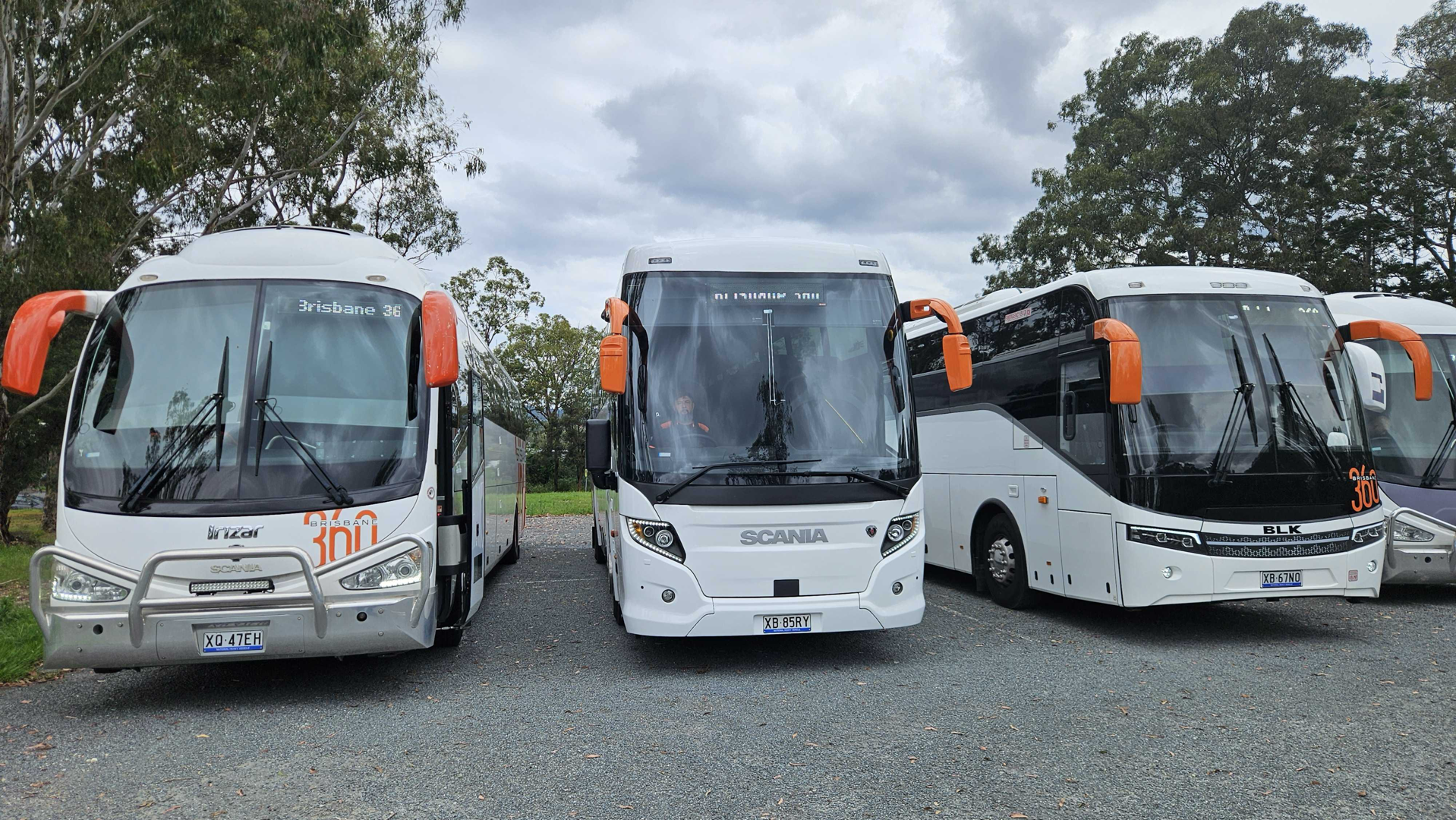
Our fleet of luxury mini buses is constantly growing and updating to ensure clients have access to the ideal vehicle for any business occasion. We provide 7 seat premium people movers, 13 seat mini buses, 24 seat mini coaches, 33 seat mid-size coaches, 37/39 seat midi coaches, 57 seat full-size luxury coaches and 61 seat large touring coaches. Every vehicle is supplied with an experienced, professional driver dedicated entirely to the itinerary.

Corporate group coach at business convention center

How Should You Plan Multi-Vehicle Corporate Transport?

For larger conferences, roadshows and business celebrations, set one transport lead and share a final run sheet with pickup points, passenger groups, venue contacts and contingency instructions. Staggered vehicle departures can reduce congestion at venues, while realistic buffers help protect the schedule when traffic or access conditions change.

Booking early gives more time to confirm vehicle availability and refine the itinerary. If you are comparing vehicle options, review corporate bus rental before finalising the group size and schedule. This corporate transport booking guide explains why event dates, lead times and final numbers should be considered before a busy period.

Frequently Asked Questions

What information should I provide when requesting corporate transport?

Share the event date, pickup and drop-off locations, approximate passenger numbers, luggage or accessibility requirements, key timing constraints and the name of the person managing changes on the day. A detailed brief supports a more accurate plan and quote.

How far ahead should corporate transport be booked?

Book as soon as the event date and broad itinerary are known, particularly for conferences, end-of-year functions and multi-vehicle movements. Early booking gives the provider time to check suitable vehicles, venue access and staffing requirements.

Can one provider manage a multi-day corporate event?

Yes, provided the scope is confirmed early. Ask whether the provider can coordinate a single itinerary across multiple days, venues and passenger groups, and whether there is a clear process for last-minute changes.

What happens if the schedule changes on the day?

Confirm this before booking. A reliable provider will explain who to contact, what changes can be accommodated and how revised instructions will be communicated to drivers and event contacts.

Selecting the Right Corporate Transport Provider for Your Organisation

The right corporate transport provider combines professional drivers, suitable vehicles, clear communication and practical planning for the real conditions of the event day. Brisbane360 brings hands-on experience coordinating private group travel across Brisbane and South East Queensland, helping organisations plan dependable group movements without unnecessary complexity.

At Brisbane360, we’re setting the standard for passenger transport by providing tailored private coach hire and mini bus services with a professional driver. To discuss a tailored plan for an upcoming business event, explore these relevant services:

mini bus for hire

When Is Hiring a Mini Bus the Right Choice?

A mini bus for hire can make group travel simpler when everyone needs to arrive together, follow the same timetable or travel between several locations on one day. It can suit corporate events, school activities, family celebrations and community outings across Brisbane and South East Queensland.

The right option depends on more than passenger numbers. Luggage, travel distance, pickup points, accessibility needs and the purpose of the trip all affect whether a mini bus is suitable or whether a larger vehicle would give the group more space and comfort.

I’m Cam Storey, and I’ve worked in passenger transport since 2009. Through Brisbane360, I’ve helped coordinate private group travel across Brisbane and South East Queensland, including vehicle selection, route planning, pickups and event logistics. We provide private bus and coach hire with a professional driver, so my focus is always on matching the transport plan to how the group will actually travel.

Key Takeaways

  • A mini bus can be a practical choice when a smaller group wants to travel together on a shared schedule.
  • Confirm passenger numbers, luggage, comfort requirements and accessibility needs before choosing a vehicle.
  • Give the transport provider a clear itinerary with pickup points, stops, arrival deadlines and return arrangements.
  • Compare what is included in the quote, not only the headline price.
  • Consider a larger bus or coach when the group, luggage load or journey requirements need more room.

When Does Mini Bus Hire Make Sense?

Mini bus hire Brisbane can be a sensible option when a group is small enough to travel comfortably in one vehicle and travelling together matters. It is often useful for a shared itinerary, a fixed arrival time or a day involving more than one stop.

What Types of Trips Suit a Mini Bus?

A private mini bus hire arrangement can work well for small corporate groups travelling to meetings, conferences or team events, particularly when a shared departure helps the day run to schedule. It can also suit school activities, family celebrations, community outings and groups visiting several destinations across Brisbane and South East Queensland.

For business travel, Brisbane360’s corporate bus hire service can help organisers plan transport around meeting times, venues and group requirements. For education-related travel, school group transport options may be more appropriate when supervision, timing and passenger details need to be coordinated carefully.

Is a Mini Bus Better Than Using Multiple Cars?

Travelling in separate cars can suit some groups, especially when people are arriving from different areas or need flexibility at the destination. However, using several vehicles can make parking, navigation, departure times and keeping the group together more difficult.

A mini bus for hire gives the group one driver, one agreed plan and a shared arrival time. It can be particularly helpful when a venue has limited parking, the itinerary includes several stops or organisers need to keep passengers on schedule. The best choice is the one that fits the group’s practical needs rather than simply choosing the smallest available vehicle.

What Vehicle Size and Comfort Features Should You Compare?

Before selecting a vehicle, consider how long passengers will be travelling, whether they need room for bags and whether they have comfort or accessibility requirements. Brisbane360’s fleet ranges from a luxury seven-seat van to larger coaches, allowing groups to choose a vehicle that better suits their passenger numbers and travel plans.

Comfortable seating and cabin interior with climate control

Ask about the particular vehicle proposed for the trip rather than assuming every mini bus has the same seating layout, luggage capacity or onboard features. This helps avoid a vehicle that feels cramped once passengers, day bags or equipment are included.

What Should You Consider Before Hiring a Mini Bus?

A clear brief helps the transport provider recommend a suitable vehicle and organise the day properly. Share the details that affect space, timing and the route before requesting a quote.

How Do Passenger Numbers, Space and Comfort Affect the Choice?

Start with the expected passenger count, then allow for the way the group will travel. Seating capacity is only one part of the decision. A group may need more room for longer journeys, children with school materials, older passengers, mobility aids or people who need help boarding.

Confirm the final passenger numbers as early as possible and explain any requirements that could affect vehicle suitability. A larger bus or coach may be the better option when the group grows or needs more space than a mini bus can comfortably provide.

What Should You Mention About Luggage, Equipment and Accessibility?

Tell the provider about suitcases, sports equipment, event materials, instruments or other bulky items when you enquire. These items can change the space needed even when the passenger count stays the same.

It is also important to discuss accessibility requirements and any assistance passengers may need. For groups that want experienced support with the practical details, private minibus hire with a local driver gives organisers a useful starting point for discussing the route, vehicle and passenger needs.

How Do Distance, Stops and Scheduling Shape the Plan?

Travel distance, traffic conditions, pickup locations, planned stops and the time spent at each destination all affect the itinerary. Provide a clear schedule that includes the travel date, approximate pickup times, destination addresses, arrival deadlines, return arrangements and every planned stop.

Allow reasonable time for boarding and discuss any timing that cannot move, such as an event start, venue access window or school activity. Clear details help the driver and organiser plan a smoother day.

Modern private bus fleet prepared for passenger boarding

How Should You Compare Quotes and Choose the Right Vehicle?

Costs can vary with the vehicle selected, journey duration, distance, itinerary and operational requirements. Instead of comparing prices without context, ask what the quote includes and make sure it reflects the group’s actual plan.

A mini bus is not automatically the best value for every trip. If passenger numbers, luggage or comfort needs increase, a larger vehicle may reduce the need for compromises and make the journey easier for everyone.

What Should You Confirm Before Travel?

Before departure, reconfirm the final itinerary, passenger numbers, pickup and drop-off locations, vehicle suitability and agreed arrangements. Share the pickup details, departure time and a contact person with passengers, and communicate changes as early as possible.

Frequently Asked Questions About Mini Bus Hire

How many people can travel in a mini bus?

Capacity depends on the specific vehicle and the space needed for luggage or equipment. Confirm the available seating, storage and passenger requirements with the provider before booking.

Is hiring a mini bus suitable for a corporate event?

It can be a practical option when employees or attendees need to travel together, arrive on a shared schedule or move between venues during the day. The itinerary, group size and venue arrangements will help determine whether a mini bus or larger vehicle is more suitable.

Should I hire a mini bus or a larger coach?

Choose based on passenger numbers, luggage, comfort needs, journey length and the type of trip. A mini bus may suit a smaller group, while a larger coach may be more comfortable when more passengers or additional space are needed.

How far in advance should I book a mini bus?

Availability depends on the date, group size, itinerary and vehicle requirements. It is sensible to enquire once the main arrangements are known, particularly for larger events or busy travel periods.

What information do I need to request a mini bus hire quote?

Provide the travel date, passenger numbers, pickup and drop-off locations, destination addresses, expected journey duration, planned stops, return time, luggage details and any accessibility or other special requirements.

Choosing the Right Mini Bus for Hire for Your Group

Successful group transport starts with understanding who is travelling, where the group needs to go and how the day needs to run. Once passenger numbers, luggage, accessibility needs, pickup arrangements and timing are clear, it is easier to select a suitable vehicle and build a practical itinerary.

Brisbane360 provides private bus and coach hire with a professional driver across Brisbane and South East Queensland. Whether a mini bus or a larger coach is the better fit, discussing the trip details early helps create an arrangement that suits the group.

Explore Brisbane360’s group transport services:

group transfers to gold coast

How Can You Plan Stress-Free Group Transfers to the Gold Coast?

Planning group transfers to Gold Coast can become complicated when passenger numbers, departure times, pick-up arrangements, luggage and traffic all need to line up. Early planning and clear communication make it easier to choose suitable private group transport, keep everyone informed and arrive ready for the day.

Hi, I’m Cam Storey. I have worked in passenger transport since 2009, and through Brisbane360 I have helped coordinate private group travel across Brisbane and South East Queensland. From route planning and vehicle selection to pick-ups and event logistics, I have found that the smoothest Gold Coast trips begin with a clear brief and one agreed plan for the whole group.

What Should You Keep in Mind?

  • Confirm final passenger numbers, luggage and any accessibility needs before requesting a quote.
  • Set practical pick-up points, departure times and a realistic return plan.
  • Allow a sensible buffer for changing traffic conditions and event schedules.
  • Choose a private bus or coach around the group’s size and itinerary rather than a one-size-fits-all option.
  • Share the confirmed itinerary, meeting instructions and contact details with every passenger.

A well-prepared booking brief helps the transport provider coordinate the right driver, vehicle and itinerary without last-minute confusion.

1. What Should You Confirm Before Booking Group Transport to the Gold Coast?

Before arranging private bus hire to the Gold Coast, confirm the details that shape the journey. A complete brief gives the provider the information needed to recommend a suitable vehicle and plan a workable itinerary.

Group travel participants gathering for a coastal transfer journey in South East Queensland

What Details Should Be Included in Your Booking Brief?

  • Passenger numbers: Use the most accurate headcount available, including organisers and supervisors.
  • Travel timing: Confirm the travel date, departure time, expected return time and any fixed arrival deadline.
  • Pick-up and destination details: Identify practical meeting points, the final Gold Coast destination and any planned stops.
  • Luggage and passenger needs: Flag equipment, bags, mobility requirements or other considerations early.
  • Purpose of the trip: Explain whether the group is travelling for a corporate event, school excursion, study activity or community outing.

Confirming these points early reduces late changes and makes it easier to arrange the right private bus or coach. For education-focused itineraries, Brisbane360’s study tour transport options can help organisers consider the practical travel requirements before finalising the day.

2. How Can You Coordinate Travel Times, Pick-ups and Traffic?

A realistic schedule keeps Gold Coast group transport straightforward. Start with the time the group needs to arrive, then work backwards to set collection times, meeting instructions and a reasonable allowance for traffic or unexpected delays.

Passengers boarding a comfortable private coach for group travel in SEQ

How Do You Build a Practical Travel Schedule?

Allow enough time for passengers to reach the meeting point, board safely and settle in before departure. Traffic conditions and travel times can vary during busy periods, so a buffer is more useful than relying on a tight schedule. Match the planned arrival with venue bookings, activity start times or event registration, then agree on a return collection time that gives the group clear expectations. When the itinerary is confirmed, a dedicated Gold Coast transfer service can help keep the group’s travel arrangements aligned with the day’s schedule.

What Makes Pick-up Coordination Easier?

Choose meeting points that are easy to find and practical for the vehicle to access. Send passengers the collection address, departure time, organiser contact details and any itinerary updates in one clear message. Confirm the final passenger count and arrangements with the transport provider before the travel date, particularly if the group has multiple pick-up locations.

For community outings, community group transport can provide a useful starting point when coordinating a shared itinerary across Brisbane and South East Queensland.

Private mini bus travelling along the scenic coastal route to the Gold Coast

3. How Do You Choose the Right Private Bus or Coach for Your Group?

The right vehicle depends on the number of passengers, the amount of luggage, the planned stops and the overall itinerary. Private group transport should suit the practical needs of the day, rather than simply fitting the minimum number of seats.

How Should Vehicle Capacity Match the Group?

Provide the most accurate passenger count when making an enquiry. This helps Brisbane360 consider an appropriate private bus or coach with a professional driver, while allowing for comfort, supervision and any equipment the group needs to bring. Larger parties may need more than one vehicle or a larger-capacity option, depending on the final arrangements.

What Should You Confirm Before Departure?

Check what is included in the booking, including the agreed itinerary, pick-up points, destination, driver coordination and contact arrangements for the day. If luggage, planned stops or accessibility needs affect the journey, make sure they are included in the final brief. Sharing the same confirmed details with passengers and the driver helps avoid last-minute changes on travel day.

Private bus and coach hire works well for corporate outings, school excursions and group activities when travelling together supports a shared schedule. The aim is not to force every group into the same arrangement, but to select transport that fits the people, purpose and timing of the trip.

FAQs About Group Transport to the Gold Coast

How Far in Advance Should You Book Group Transport to the Gold Coast?

Booking lead time depends on the group size, travel date, vehicle requirements and demand. It is sensible to enquire early for larger groups or busy periods so there is time to confirm a suitable arrangement, without assuming availability.

What Information Do You Need to Book Private Bus Hire to the Gold Coast?

Provide passenger numbers, travel dates, pick-up points, destination, preferred timings, return requirements, luggage details and any accessibility considerations. The clearer the brief, the easier it is to plan the right transport. Readers can also review private group transfer services, a dedicated Gold Coast transfer service and the Gold Coast bus hire guide before confirming their booking details.

How Do You Organise Group Transport When Passengers Have Different Pick-up Locations?

Agree on a small number of practical meeting points where possible, then confirm a workable itinerary with the transport provider. Clear joining instructions reduce confusion and help the group depart together.

Is Private Bus Hire Suitable for Corporate Events and Group Outings on the Gold Coast?

It can be a practical option when a group needs to travel together, follow a shared schedule and avoid coordinating multiple vehicles. The most suitable arrangement depends on the group size, itinerary and passenger needs.

What Should You Confirm With Your Transport Provider Before Departure?

Confirm pick-up instructions, timings, passenger numbers, organiser and driver contact details, destination information and any agreed itinerary requirements. Pass the final plan on to every traveller before the day.

Plan Your Group Transport to the Gold Coast With Confidence

Successful group transfers to Gold Coast start with confirmed passenger details, realistic timing and clear communication. Brisbane360 can help groups across Brisbane and South East Queensland arrange practical private bus or coach hire with a professional driver for an agreed itinerary.

corporate transportation

Corporate Transportation for Brisbane Business Travel and Events

Corporate transportation helps Brisbane businesses move staff, clients and event guests in a coordinated way. Whether the plan involves a conference, an off-site meeting or a corporate function, corporate bus hire, including private coach hire, keeps the group on one itinerary with a professional driver responsible for the journey.

For corporate event transportation, a dedicated bus or coach can simplify pickup arrangements, reduce the need for separate vehicles and help attendees arrive together. The most effective booking starts with clear passenger numbers, locations and timing, then matches the vehicle to the trip rather than forcing the trip around the vehicle.

I am Cam Storey, and I have worked in passenger transport since 2009. Through Brisbane360, I have hands-on experience coordinating private group travel across Brisbane and South East Queensland, including route planning, vehicle selection, pickups and event logistics. My focus is on helping organisers turn a detailed itinerary into a smoother travel day for passengers.

Corporate transportation planning checklist infographic

Corporate Bus Hire Planning Essentials

  • Corporate bus hire suits meetings, conferences, staff events, client hospitality and other occasions where the group needs to travel together.
  • The right vehicle depends on passenger numbers, luggage, accessibility needs, pickup points and the overall itinerary.
  • A professional driver keeps the transport component managed, so organisers can focus on the event itself.
  • Clear trip details make it easier to plan multiple stops, return journeys and changes to the schedule.
  • Early planning is particularly useful for larger corporate events and busy function periods.

When Should a Business Hire Corporate Transportation?

corporate professionals boarding a private coach

Businesses benefit from corporate transportation whenever coordinating individual cars or rides would make the day harder to manage. Corporate group transport Brisbane businesses can use is particularly helpful when guests need to arrive at the same place, at the same time, with a clear return plan.

Common occasions include:

  • Corporate meetings, conferences and seminars: Keep delegates moving between offices, venues and accommodation on a shared schedule.
  • Team-building activities and staff events: Make it easier for colleagues to travel together to an activity, lunch or off-site location.
  • Corporate functions, dinners and awards nights: Give attendees a practical group travel option before and after the event.
  • Client entertainment and business hospitality: Coordinate a professional journey for visiting clients or guests.
  • Company celebrations and off-site meetings: Reduce the admin involved in arranging several separate vehicles and meeting points.

A single group itinerary does not remove the need for good planning, but it gives the organiser one transport contact, one agreed schedule and a clearer way to communicate travel details. For broader general transport services, Brisbane360 can also help coordinate recurring group movements. For more ideas on matching a trip to an event, see Brisbane360’s corporate bus hire guide.

How to Choose the Right Corporate Bus Hire Service

Choosing corporate bus hire starts with the practical details of the trip: how many people are travelling, where they need to be collected, what they are bringing and when they need to arrive. Brisbane360 provides private bus and coach transport with a professional driver, rather than vehicle-only hire, so the booking should cover both the vehicle and the operating plan.

Match Vehicle Capacity to the Group

Brisbane360’s vehicle options range from a luxury seven-seat van to a 61-seat coach. Smaller vehicles can suit executive teams or small client groups, while larger coaches may be more appropriate for conferences, staff events and delegate movements. The best fit leaves enough room for passengers and luggage without creating unnecessary complexity.

Before requesting a quote, confirm:

  • the expected passenger number and whether it may change;
  • pickup locations, destination, required stops and return times;
  • luggage, mobility or accessibility requirements where relevant;
  • whether the itinerary includes a wait time, a return journey or several venues; and
  • the main contact who can approve itinerary updates on the day.

Look for a Managed, Professional Service

delegates arriving at a corporate event

For business events, the vehicle is only one part of the decision. A reliable arrangement also needs a professional driver, clear communication and an itinerary that reflects local travel conditions. For example, an event with pickups in Brisbane and the Gold Coast may need a different plan from a single office transfer.

Corporate event bus hire is easier to manage when the organiser shares the full schedule early, including venue access instructions and any time-sensitive arrivals. Brisbane360’s corporate event bus hire information offers further planning context for business functions and delegate transport.

How to Book Corporate Event Transportation

To book corporate transportation, begin with the facts that affect the journey. A clear brief helps the transport provider recommend a suitable vehicle and plan the service around the event instead of making late changes under pressure.

A Straightforward Booking Process

  1. Confirm the event date, passenger numbers and itinerary. Include the event start and finish times, plus any flexibility around them.
  2. List each pickup point, destination, stop and return time. Note venue access details, loading areas and a day-of contact.
  3. Choose a suitable vehicle. Match the group size, luggage and comfort requirements to the vehicle capacity.
  4. Request a quote with the relevant trip details. Explain whether the booking includes multiple locations, waiting time or a return journey.
  5. Confirm the booking and communicate changes early. Updated numbers or timing can affect the best vehicle and operating plan.

Businesses arranging bus hire for business events should also provide the event name, primary organiser’s contact details and any instructions that drivers need to know before arrival. For conferences, large functions and busy end-of-year periods, early planning gives more time to confirm the itinerary and communicate it clearly to passengers. For additional timing guidance, see Brisbane360’s corporate transport booking advice for Brisbane functions.

Frequently Asked Questions About Corporate Transportation

What is corporate transportation?

Corporate transportation is organised group travel for business-related journeys, such as conferences, meetings, staff events, client hospitality and corporate functions. It can include private bus or coach transport with a professional driver and an agreed itinerary.

When should a business hire a corporate bus?

A business should consider corporate bus hire when several people need to travel to the same event or venue, particularly when coordinated arrival times, multiple pickups or a return journey are important.

How do I book transportation for a corporate event?

Provide the date, passenger numbers, pickup points, destinations, travel times, required stops and return arrangements. A provider can then recommend a suitable vehicle and prepare a quote based on the itinerary.

What size bus do I need for a corporate group?

The appropriate size depends on the final passenger number, luggage and trip requirements. Brisbane360 has options from a luxury seven-seat van to a 61-seat coach, helping organisers match capacity to the group.

Can a corporate bus hire service accommodate multiple pickup locations?

Multiple pickup locations can be included when they are confirmed as part of the itinerary. Share every address and required collection time early so the route can be planned appropriately.

How far in advance should I book corporate event transportation?

Book as early as practical once the event date, approximate group size and venue are known. Earlier planning is especially helpful for large functions, conferences and busy event periods.

Is a professional driver included with corporate bus hire?

Brisbane360 provides private bus and coach transport with a professional driver. When requesting a quote, include the full itinerary so the service can be planned around the group’s travel requirements.

Plan Corporate Transportation with Confidence

Well-planned corporate transportation makes it easier to keep business groups together, communicate a clear itinerary and manage event-day logistics. Start with passenger numbers, pickup locations, venue details and return requirements, then discuss the most suitable private bus or coach option with Brisbane360.