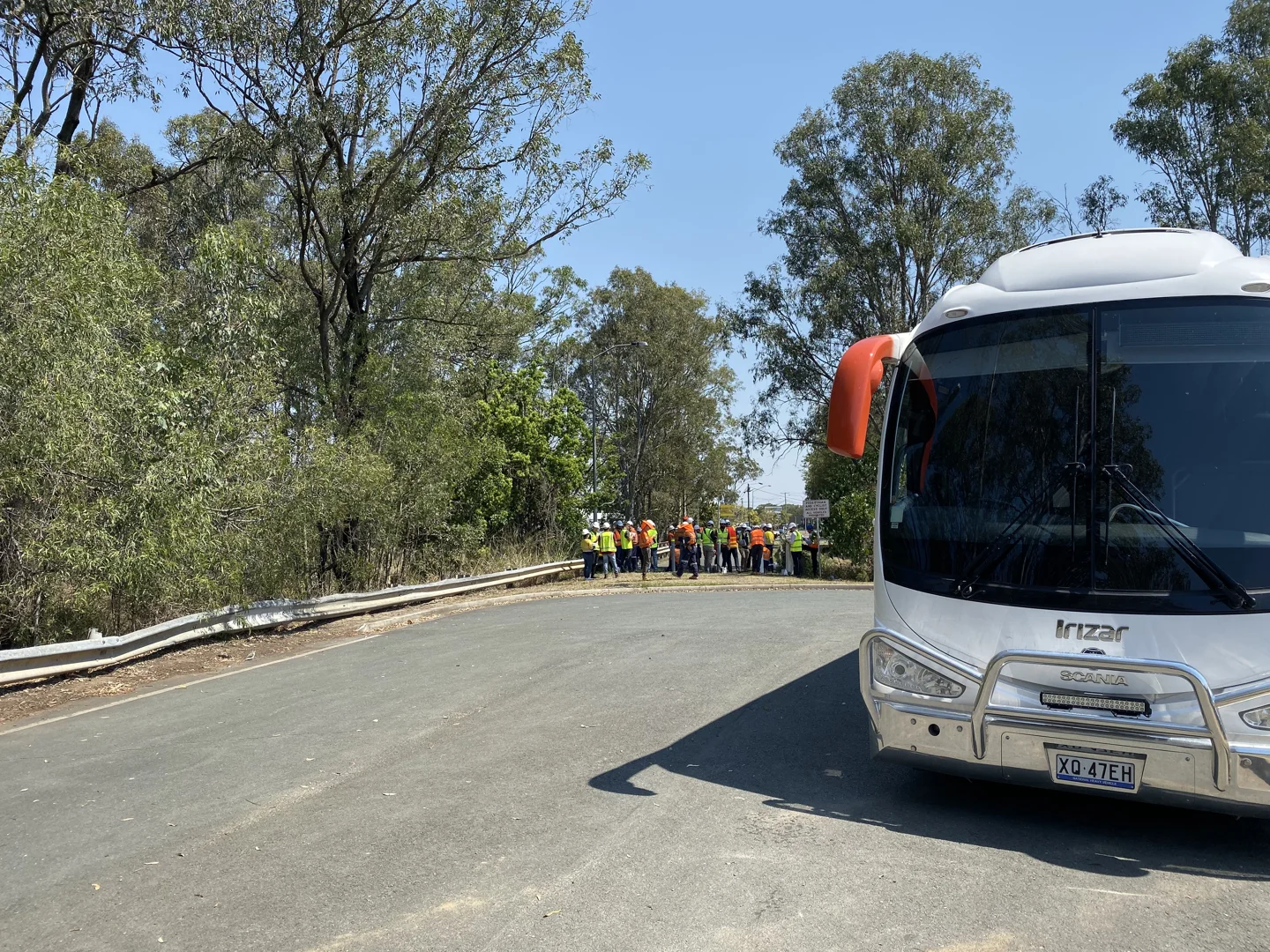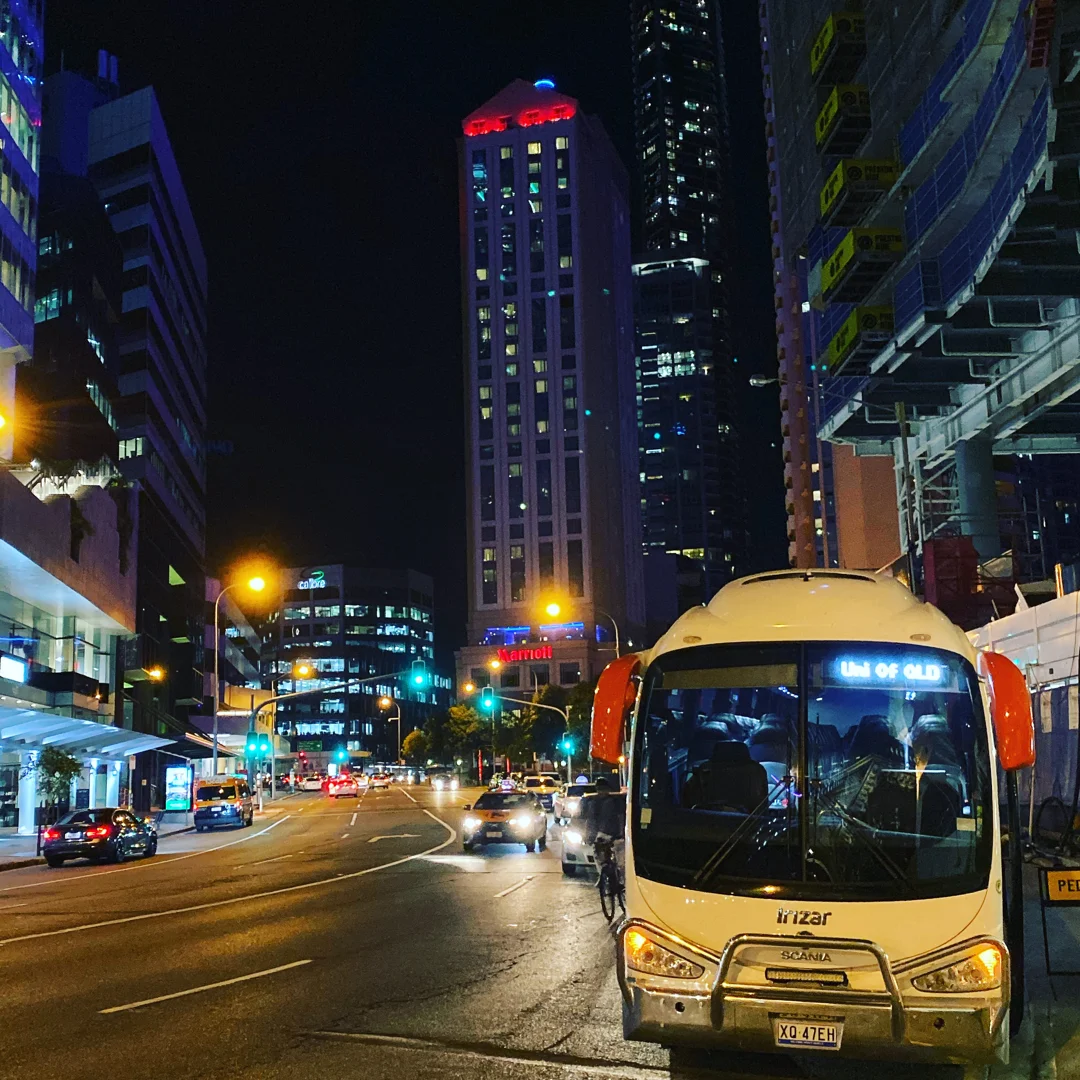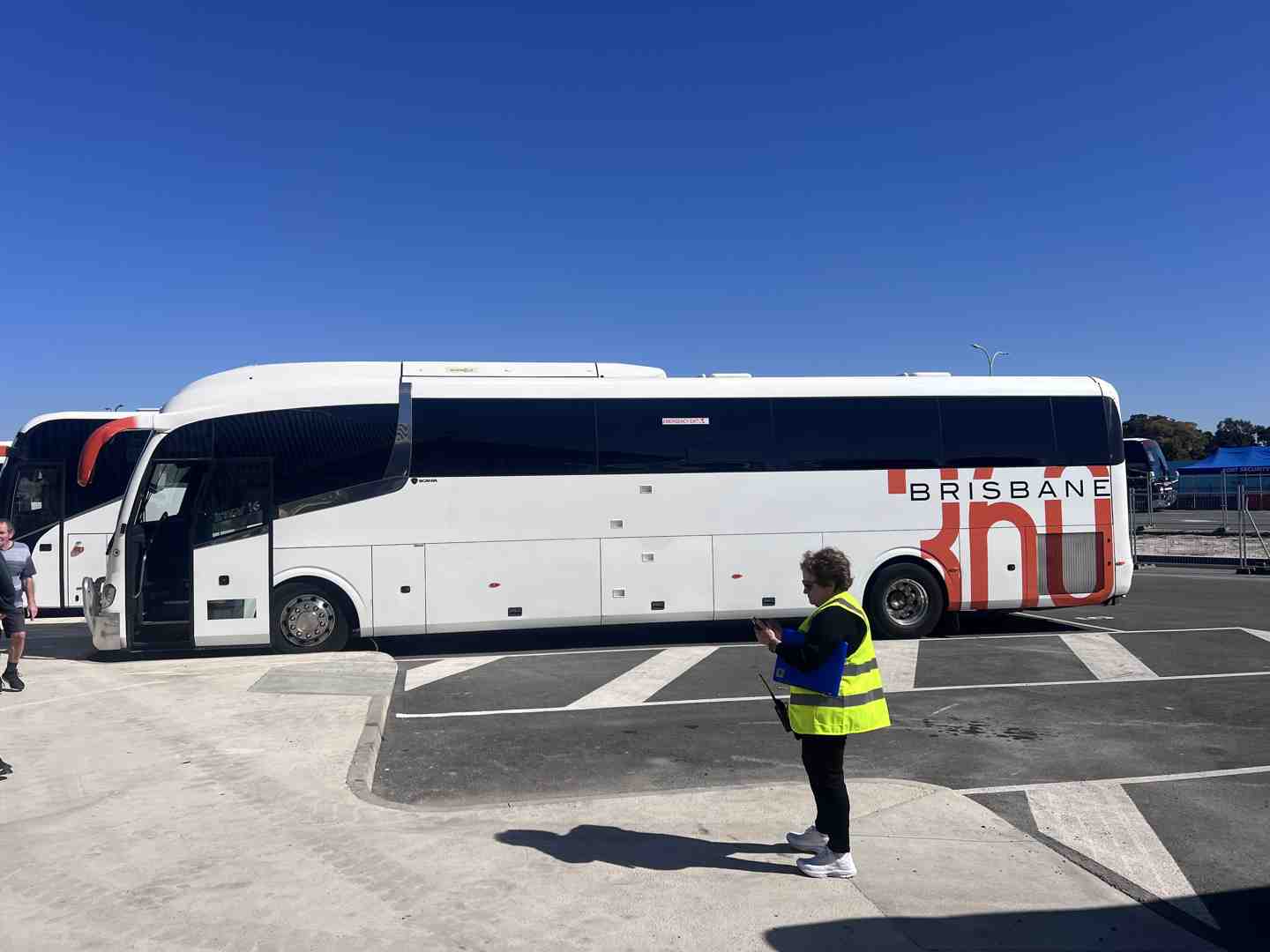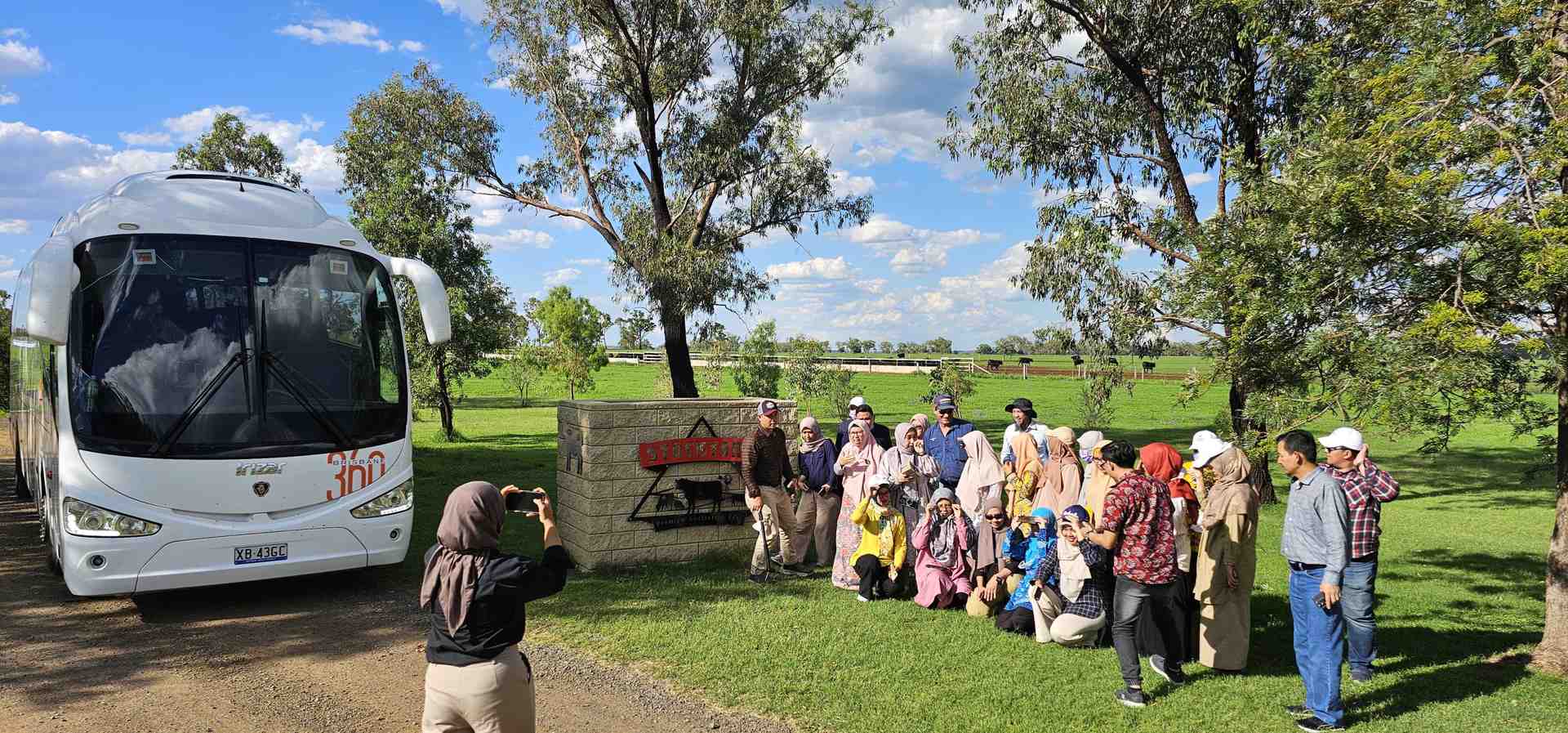
corporate transportation

Corporate Transportation for Brisbane Business Travel and Events

Corporate transportation helps Brisbane businesses move staff, clients and event guests in a coordinated way. Whether the plan involves a conference, an off-site meeting or a corporate function, corporate bus hire, including private coach hire, keeps the group on one itinerary with a professional driver responsible for the journey.

For corporate event transportation, a dedicated bus or coach can simplify pickup arrangements, reduce the need for separate vehicles and help attendees arrive together. The most effective booking starts with clear passenger numbers, locations and timing, then matches the vehicle to the trip rather than forcing the trip around the vehicle.

I am Cam Storey, and I have worked in passenger transport since 2009. Through Brisbane360, I have hands-on experience coordinating private group travel across Brisbane and South East Queensland, including route planning, vehicle selection, pickups and event logistics. My focus is on helping organisers turn a detailed itinerary into a smoother travel day for passengers.
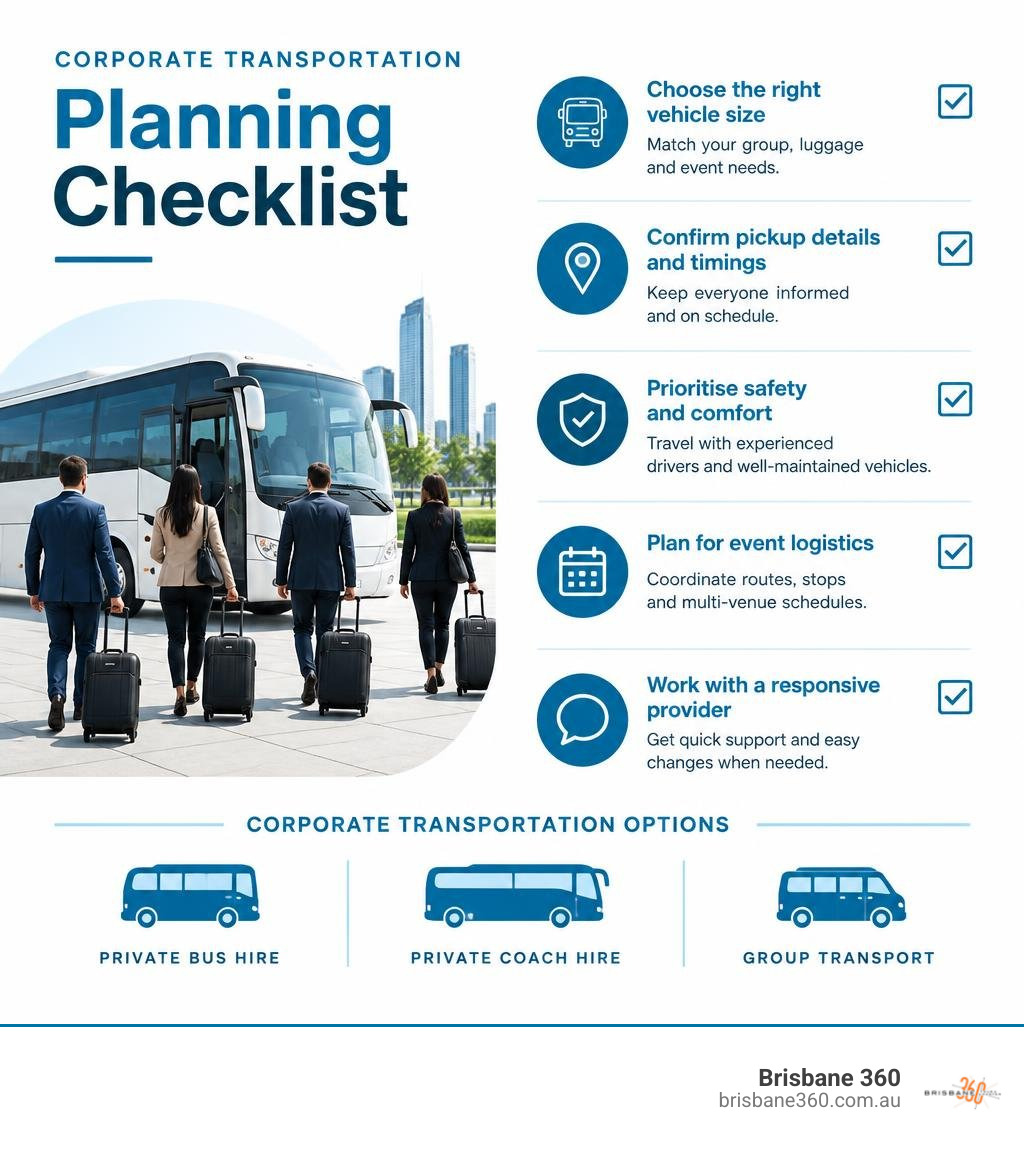
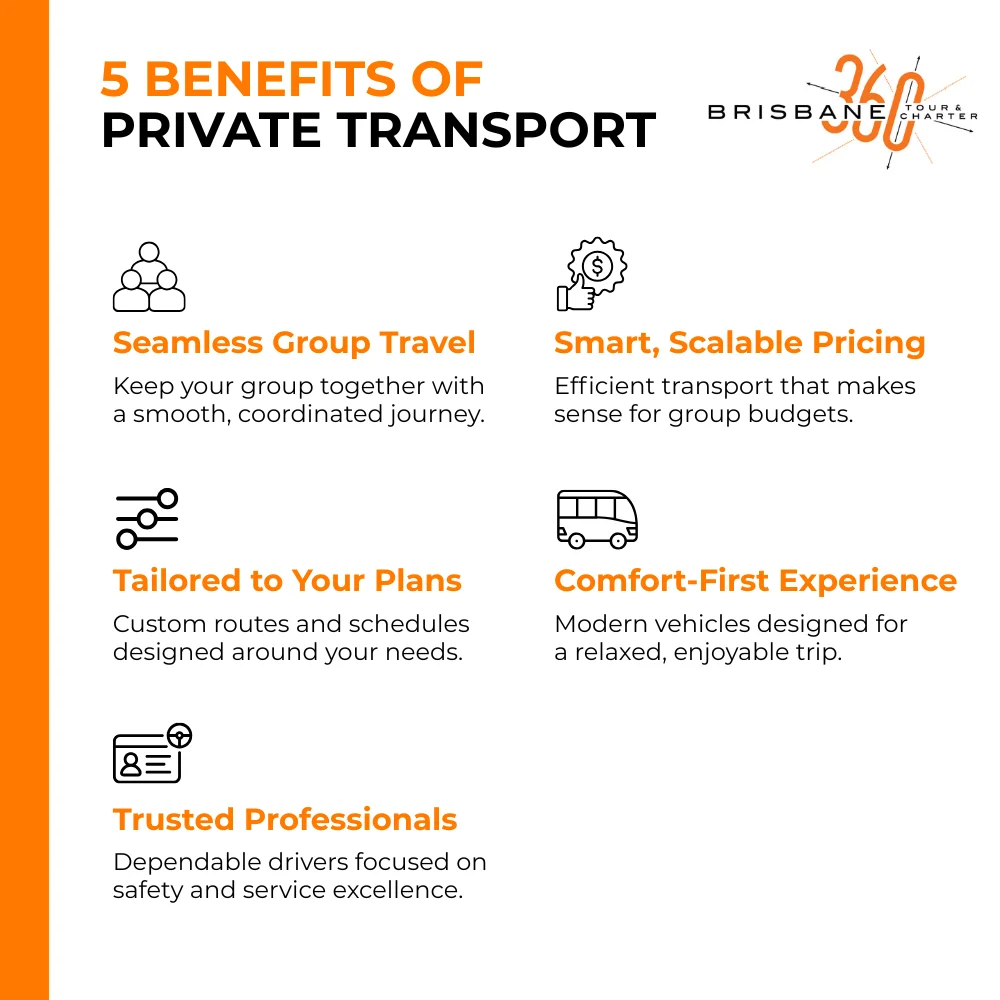
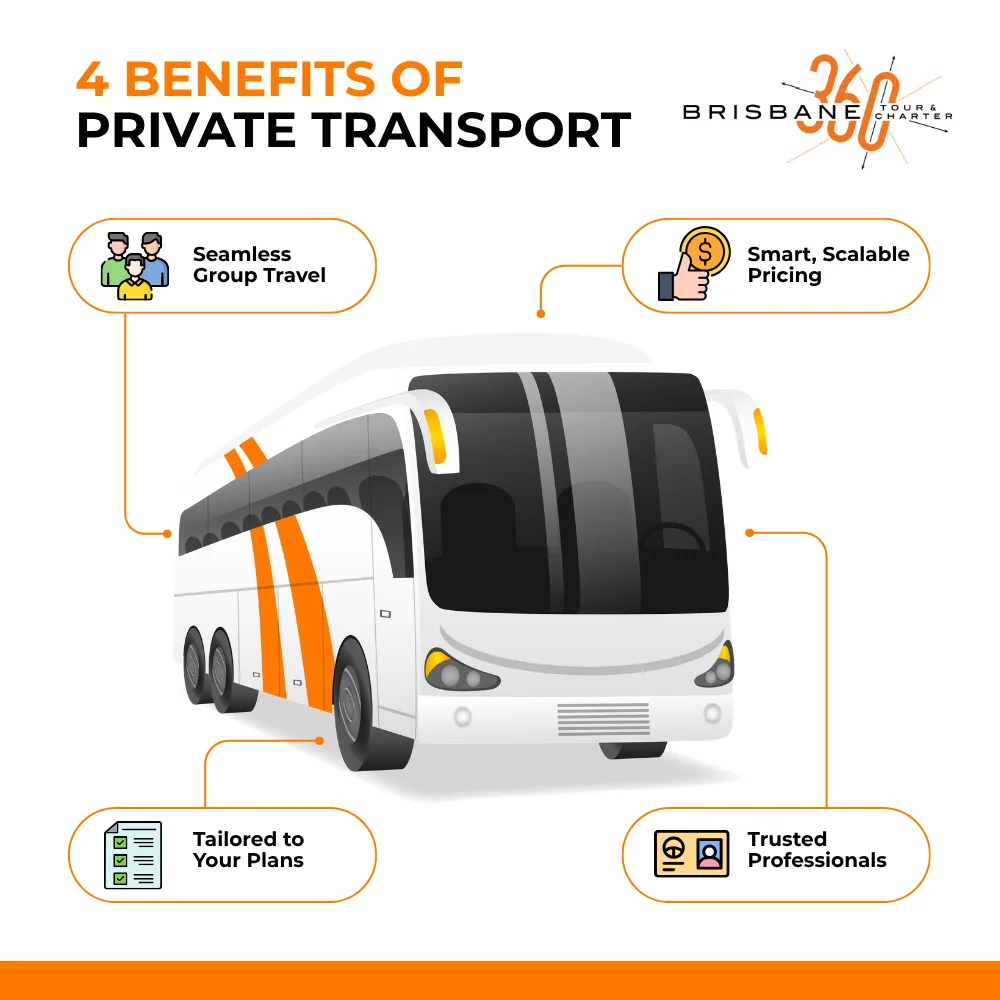
Corporate transportation planning checklist infographic

Corporate Bus Hire Planning Essentials

  • Corporate bus hire suits meetings, conferences, staff events, client hospitality and other occasions where the group needs to travel together.
  • The right vehicle depends on passenger numbers, luggage, accessibility needs, pickup points and the overall itinerary.
  • A professional driver keeps the transport component managed, so organisers can focus on the event itself.
  • Clear trip details make it easier to plan multiple stops, return journeys and changes to the schedule.
  • Early planning is particularly useful for larger corporate events and busy function periods.

When Should a Business Hire Corporate Transportation?
corporate professionals boarding a private coach

Businesses benefit from corporate transportation whenever coordinating individual cars or rides would make the day harder to manage. Corporate group transport Brisbane businesses can use is particularly helpful when guests need to arrive at the same place, at the same time, with a clear return plan.

Common occasions include:

  • Corporate meetings, conferences and seminars: Keep delegates moving between offices, venues and accommodation on a shared schedule.
  • Team-building activities and staff events: Make it easier for colleagues to travel together to an activity, lunch or off-site location.
  • Corporate functions, dinners and awards nights: Give attendees a practical group travel option before and after the event.
  • Client entertainment and business hospitality: Coordinate a professional journey for visiting clients or guests.
  • Company celebrations and off-site meetings: Reduce the admin involved in arranging several separate vehicles and meeting points.

A single group itinerary does not remove the need for good planning, but it gives the organiser one transport contact, one agreed schedule and a clearer way to communicate travel details. For broader general transport services, Brisbane360 can also help coordinate recurring group movements. For more ideas on matching a trip to an event, see Brisbane360’s corporate bus hire guide.

How to Choose the Right Corporate Bus Hire Service

Choosing corporate bus hire starts with the practical details of the trip: how many people are travelling, where they need to be collected, what they are bringing and when they need to arrive. Brisbane360 provides private bus and coach transport with a professional driver, rather than vehicle-only hire, so the booking should cover both the vehicle and the operating plan.

Match Vehicle Capacity to the Group

Brisbane360’s vehicle options range from a luxury seven-seat van to a 61-seat coach. Smaller vehicles can suit executive teams or small client groups, while larger coaches may be more appropriate for conferences, staff events and delegate movements. The best fit leaves enough room for passengers and luggage without creating unnecessary complexity.

Before requesting a quote, confirm:

  • the expected passenger number and whether it may change;
  • pickup locations, destination, required stops and return times;
  • luggage, mobility or accessibility requirements where relevant;
  • whether the itinerary includes a wait time, a return journey or several venues; and
  • the main contact who can approve itinerary updates on the day.

Look for a Managed, Professional Service
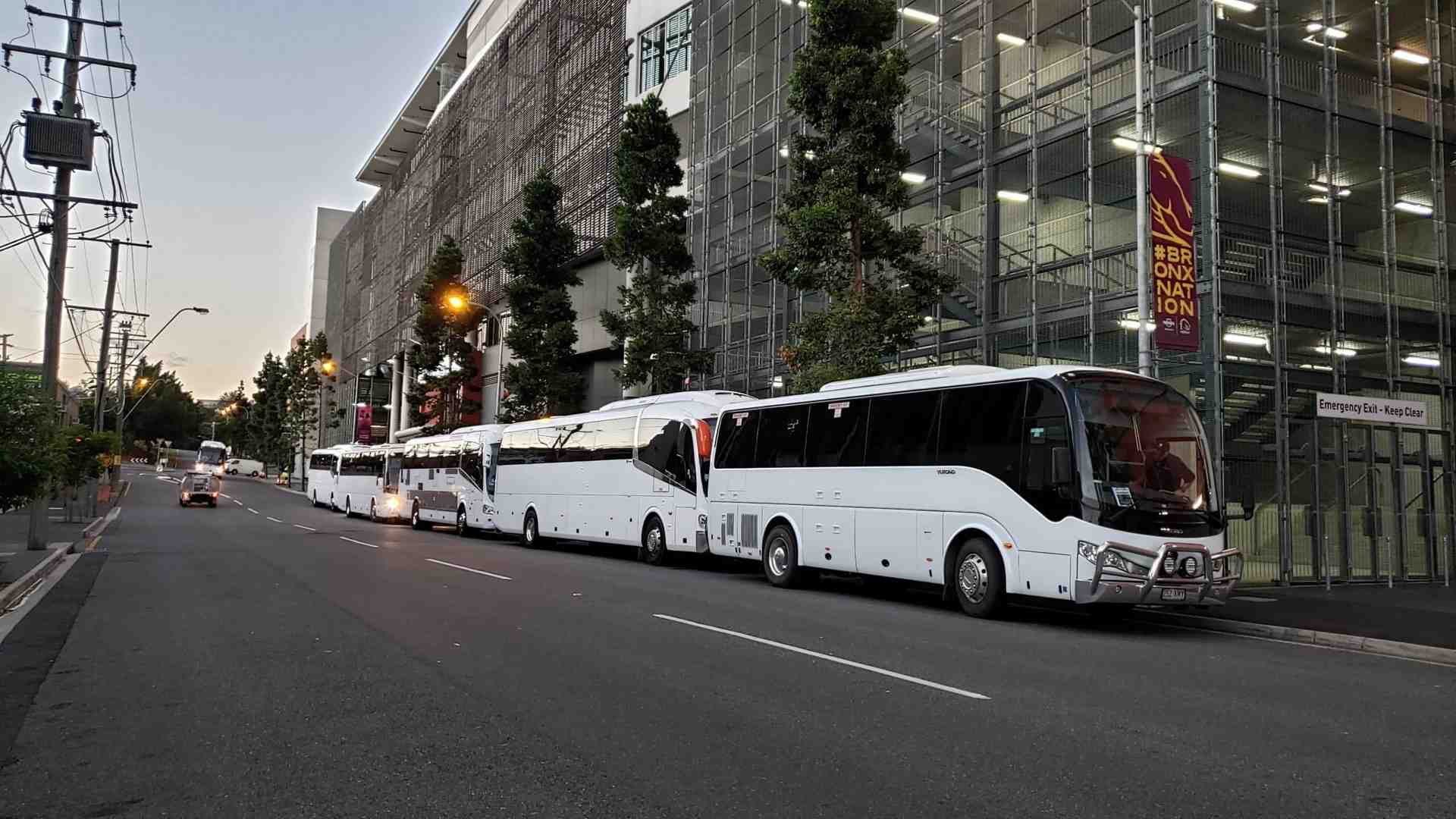
delegates arriving at a corporate event

For business events, the vehicle is only one part of the decision. A reliable arrangement also needs a professional driver, clear communication and an itinerary that reflects local travel conditions. For example, an event with pickups in Brisbane and the Gold Coast may need a different plan from a single office transfer.

Corporate event bus hire is easier to manage when the organiser shares the full schedule early, including venue access instructions and any time-sensitive arrivals. Brisbane360’s corporate event bus hire information offers further planning context for business functions and delegate transport.

How to Book Corporate Event Transportation

To book corporate transportation, begin with the facts that affect the journey. A clear brief helps the transport provider recommend a suitable vehicle and plan the service around the event instead of making late changes under pressure.

A Straightforward Booking Process

  1. Confirm the event date, passenger numbers and itinerary. Include the event start and finish times, plus any flexibility around them.
  2. List each pickup point, destination, stop and return time. Note venue access details, loading areas and a day-of contact.
  3. Choose a suitable vehicle. Match the group size, luggage and comfort requirements to the vehicle capacity.
  4. Request a quote with the relevant trip details. Explain whether the booking includes multiple locations, waiting time or a return journey.
  5. Confirm the booking and communicate changes early. Updated numbers or timing can affect the best vehicle and operating plan.

Businesses arranging bus hire for business events should also provide the event name, primary organiser’s contact details and any instructions that drivers need to know before arrival. For conferences, large functions and busy end-of-year periods, early planning gives more time to confirm the itinerary and communicate it clearly to passengers. For additional timing guidance, see Brisbane360’s corporate transport booking advice for Brisbane functions.

Frequently Asked Questions About Corporate Transportation

What is corporate transportation?

Corporate transportation is organised group travel for business-related journeys, such as conferences, meetings, staff events, client hospitality and corporate functions. It can include private bus or coach transport with a professional driver and an agreed itinerary.

When should a business hire a corporate bus?

A business should consider corporate bus hire when several people need to travel to the same event or venue, particularly when coordinated arrival times, multiple pickups or a return journey are important.

How do I book transportation for a corporate event?

Provide the date, passenger numbers, pickup points, destinations, travel times, required stops and return arrangements. A provider can then recommend a suitable vehicle and prepare a quote based on the itinerary.

What size bus do I need for a corporate group?

The appropriate size depends on the final passenger number, luggage and trip requirements. Brisbane360 has options from a luxury seven-seat van to a 61-seat coach, helping organisers match capacity to the group.

Can a corporate bus hire service accommodate multiple pickup locations?

Multiple pickup locations can be included when they are confirmed as part of the itinerary. Share every address and required collection time early so the route can be planned appropriately.

How far in advance should I book corporate event transportation?

Book as early as practical once the event date, approximate group size and venue are known. Earlier planning is especially helpful for large functions, conferences and busy event periods.

Is a professional driver included with corporate bus hire?

Brisbane360 provides private bus and coach transport with a professional driver. When requesting a quote, include the full itinerary so the service can be planned around the group’s travel requirements.

Plan Corporate Transportation with Confidence

Well-planned corporate transportation makes it easier to keep business groups together, communicate a clear itinerary and manage event-day logistics. Start with passenger numbers, pickup locations, venue details and return requirements, then discuss the most suitable private bus or coach option with Brisbane360.
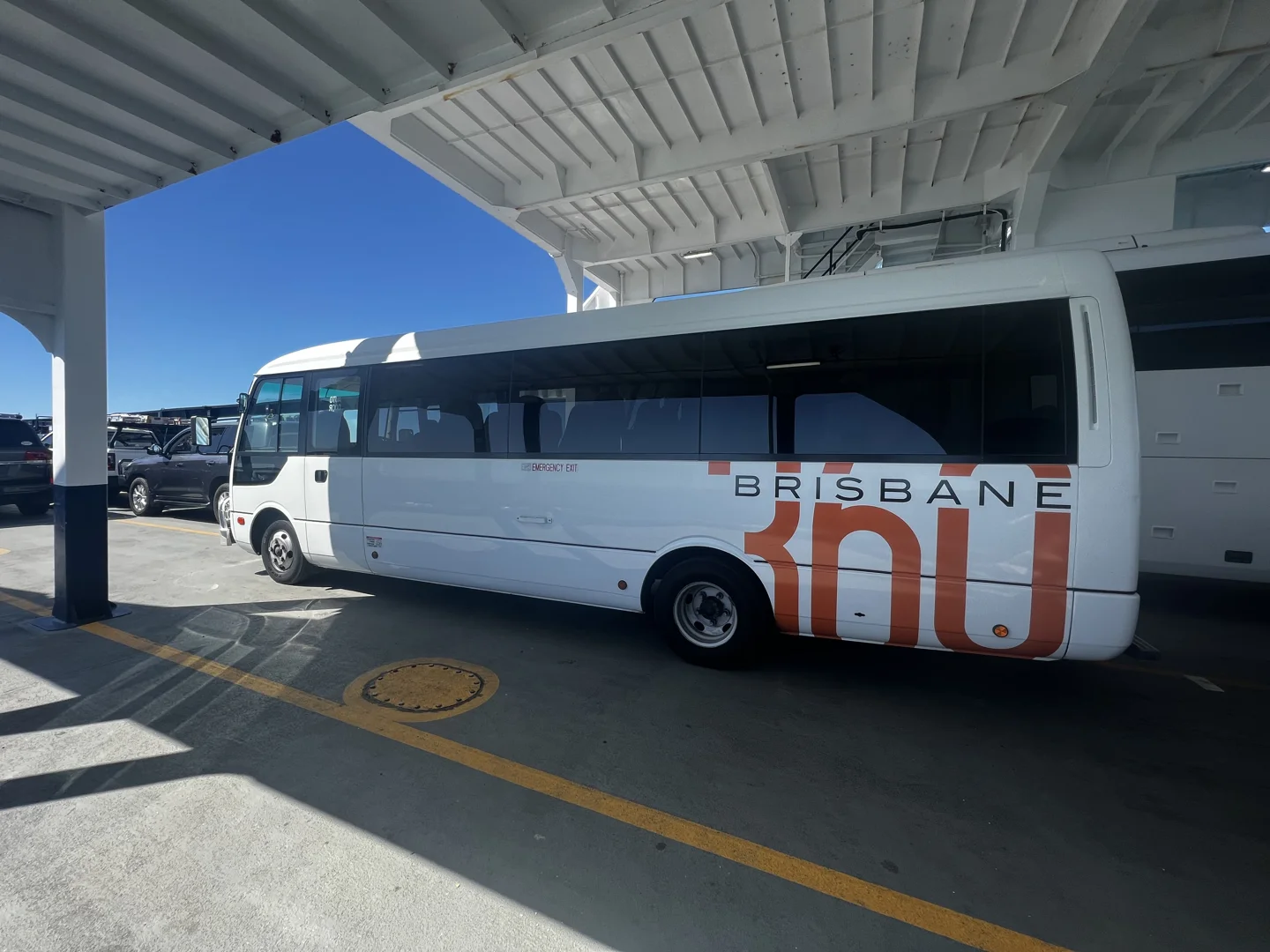
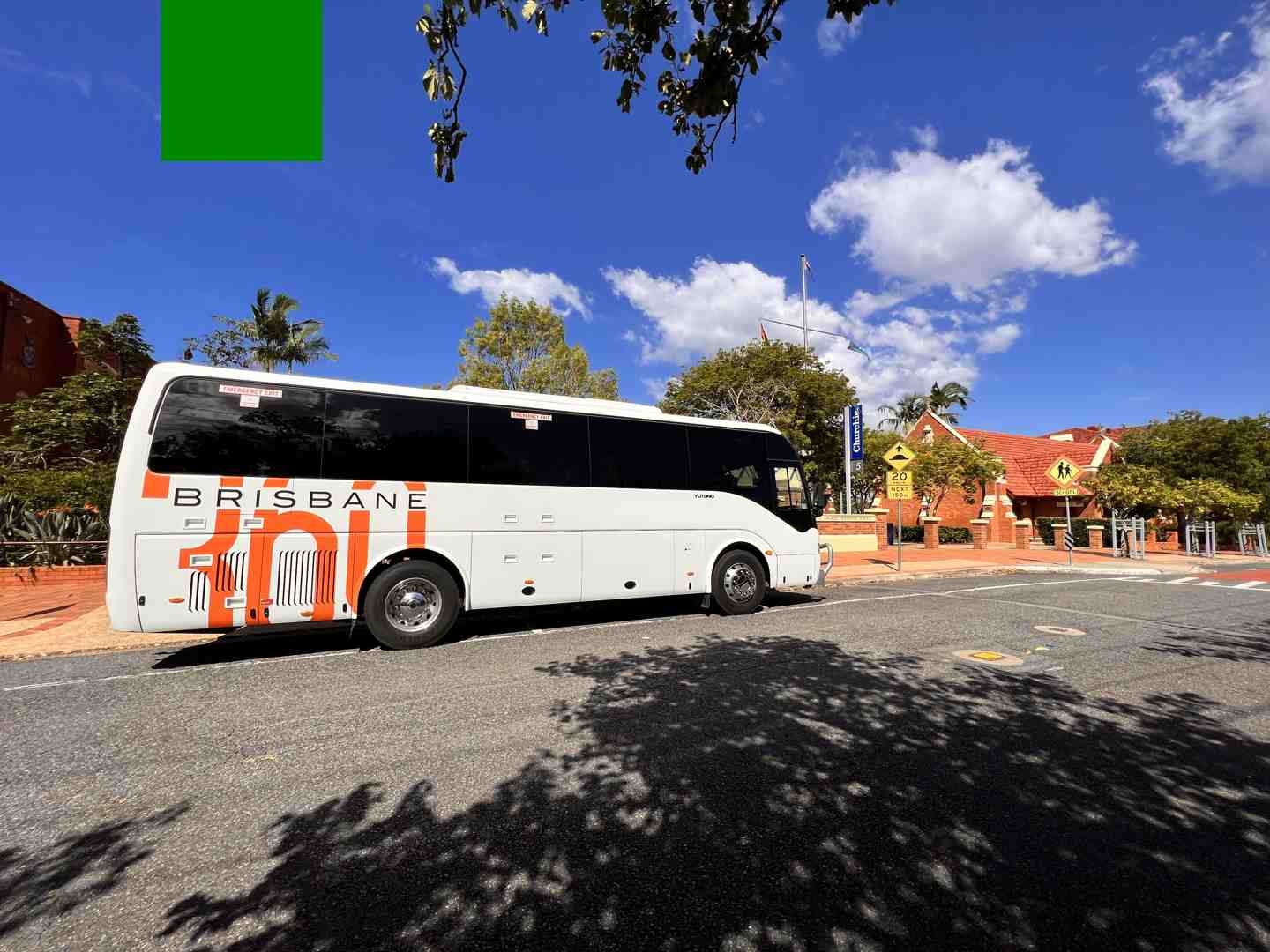
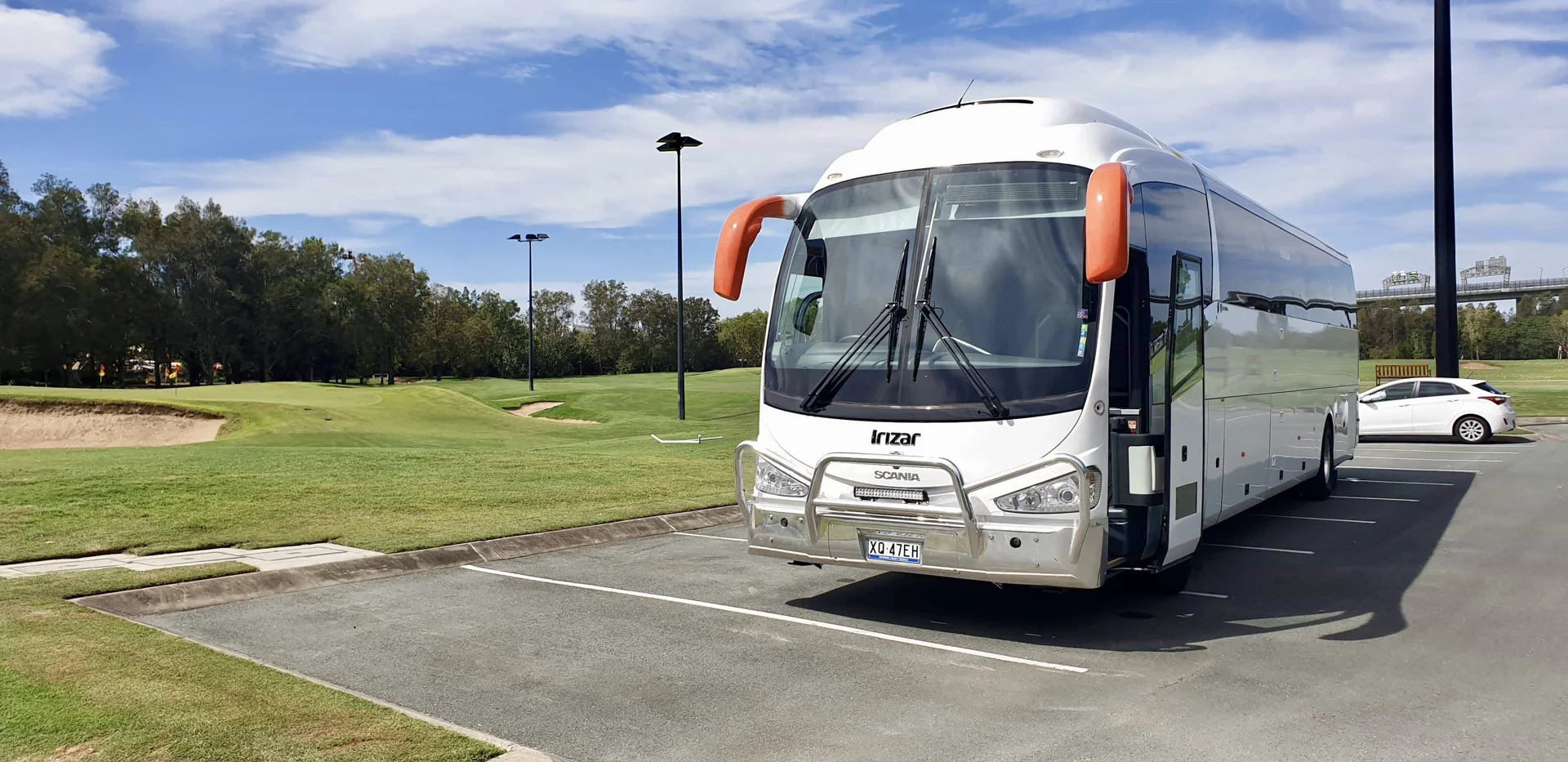
Brisbane360 coach prepared for corporate group travel in Brisbane

Comparing Corporate Transport Services for Your Business

For businesses planning group travel in Brisbane and South East Queensland, comparing corporate transport providers helps turn a complex itinerary into a workable plan. The decision should consider the full service arrangement, including vehicle fit, professional driver arrangements, timing, quote inclusions and the provider’s ability to coordinate the journey.

Whether the plan involves a conference, corporate function, staff movement or several business appointments, using the same criteria for each provider makes it easier to identify practical value.

Hi, Cam Storey here. Since entering passenger transport in 2009, I’ve used my hands-on experience with Brisbane360 to coordinate private group travel across Brisbane and South East Queensland, where route planning, pickup access and event timing often determine how smoothly the day runs.

Key Takeaways

  • Compare the complete cost: Check what’s included in each quote, from the vehicle and professional driver to the agreed journey requirements.
  • Match the vehicle to your group: Consider passenger numbers, luggage, equipment, accessibility and travel duration.
  • Assess reliability and experience: Look for clear communication, realistic scheduling and practical knowledge of local routes.
  • Confirm the service details: Agree on pickup points, waiting time, additional stops and arrangements for itinerary changes.
  • Book around your actual requirements: A detailed travel brief helps providers recommend a suitable vehicle and prepare an accurate quote.

Comparing Corporate Transport Costs and Overall Value

A lower quote does not automatically represent better value. To compare corporate transport services fairly, check whether each provider has allowed for the same vehicle, itinerary, driver arrangements, timing and agreed inclusions. A quote that appears cheaper may exclude waiting time, additional stops, parking or other requirements that matter to the final arrangement.

Factors That Affect Corporate Transport Costs

Corporate transport costs usually reflect the practical requirements of the journey:

  • Vehicle size and type: Capacity, luggage space and suitability for the group.
  • Route and distance: Pickup locations, destinations and total travel required.
  • Hire duration: The time the vehicle and professional driver are required, including agreed waiting periods.
  • Stops and access: Extra collection points, venue access and route complexity.
  • Timing: The travel date, departure windows and availability.
  • Additional requirements: Accessibility needs, equipment, tolls, parking and other agreed expenses.

For example, transport for a conference with several pickup locations requires a different allowance from one direct journey to a team event.

Comparing Quote Inclusions

Provide each provider with the same itinerary before requesting a quote. Then review the details, not only the total figure.

What to compare What to confirm
Vehicle Type, passenger capacity, luggage space and suitability for the journey
Driver That a professional driver is included for the agreed service
Itinerary Pickup points, destinations, stops and expected travel times
Timing Hire duration, waiting time and scheduled departure times
Pricing Included costs, additional charges and applicable conditions
Changes How amended timing, stops or waiting time will be handled

How Can You Compare Corporate Transport Providers?

Once you’ve received a few quotes, take a moment to look at what each provider is offering. The cheapest option might seem appealing, but it’s worth checking whether it covers everything your group needs.

Compare the proposed vehicles, pickup arrangements, travel times and what’s included in the price. Check whether waiting time and additional stops are covered, too, and make sure you understand the conditions if your plans change.

If one quote is cheaper than another, ask why. There may be a straightforward explanation, such as a difference in vehicle size or the time allowed for the journey. Understanding these details helps you choose a service that suits your itinerary and budget, rather than simply going with the lowest price.

Selecting the Right Transport Arrangement, Vehicle and Route

The right corporate transport arrangement depends on the purpose of the journey, the group size and how the day is scheduled. A vehicle that suits a small executive group may not suit a conference, recurring staff movement or a multi-stop business itinerary.

Matching the Service to the Business Need

Different requirements call for different priorities.

Business requirement What to prioritise
Conferences and business events Coordinated arrivals, venue access and appropriate passenger capacity
Corporate functions and team days Agreed pickup points, return arrangements and realistic timing
Staff transport Consistent schedules, practical routes and suitable vehicle capacity
Meetings and site visits Flexible itineraries, multiple stops and sufficient travel time
Regional business travel Journey duration, passenger comfort and route planning

Dedicated group travel can simplify business events by keeping passengers, pickups and arrival times within one managed itinerary. Brisbane360’s corporate transport services can be tailored to the group’s operational requirements, while its corporate event transport guide explains when this approach suits a business function.

Choosing Suitable Vehicle Capacity

Start with the number of passengers, then assess whether the vehicle works for the journey as a whole. Space for luggage and presentation equipment, accessibility needs, pickup access and travel duration can each affect whether an option is practical for the group.

A vehicle’s advertised passenger capacity does not tell the whole story. The best option must also suit the group’s luggage, boarding arrangements, pickup locations and destination access. For corporate events with fixed arrival times, consider how long passengers will need to board at each stop and whether the vehicle can access the designated loading area.

Brisbane360 vehicle with space for corporate group passengers and luggage

Before confirming a vehicle, establish:

  • The confirmed passenger count and likely changes.
  • Luggage, equipment and space requirements.
  • Accessibility requirements.
  • The number and accessibility of pickup locations.
  • Whether the group will remain together for the full itinerary.
  • The route, travel duration and venue access restrictions.

Choosing too little capacity can create practical issues on the day, while substantially more capacity than required may not represent good value. Providing these details with the enquiry allows the provider to recommend an option based on the complete journey rather than headcount alone.

Planning Routes and Pickup Logistics

Route planning is more than entering destinations into a navigation system. Traffic conditions, roadworks, venue access, passenger loading areas and other event activities can affect the schedule.

Across Brisbane and South East Queensland, travel involving the CBD, the Gold Coast or multiple regional locations needs realistic timing and a clear pickup plan. An experienced coordinator should review the itinerary before the journey, identify potential issues and allow appropriate travel time for key arrivals.

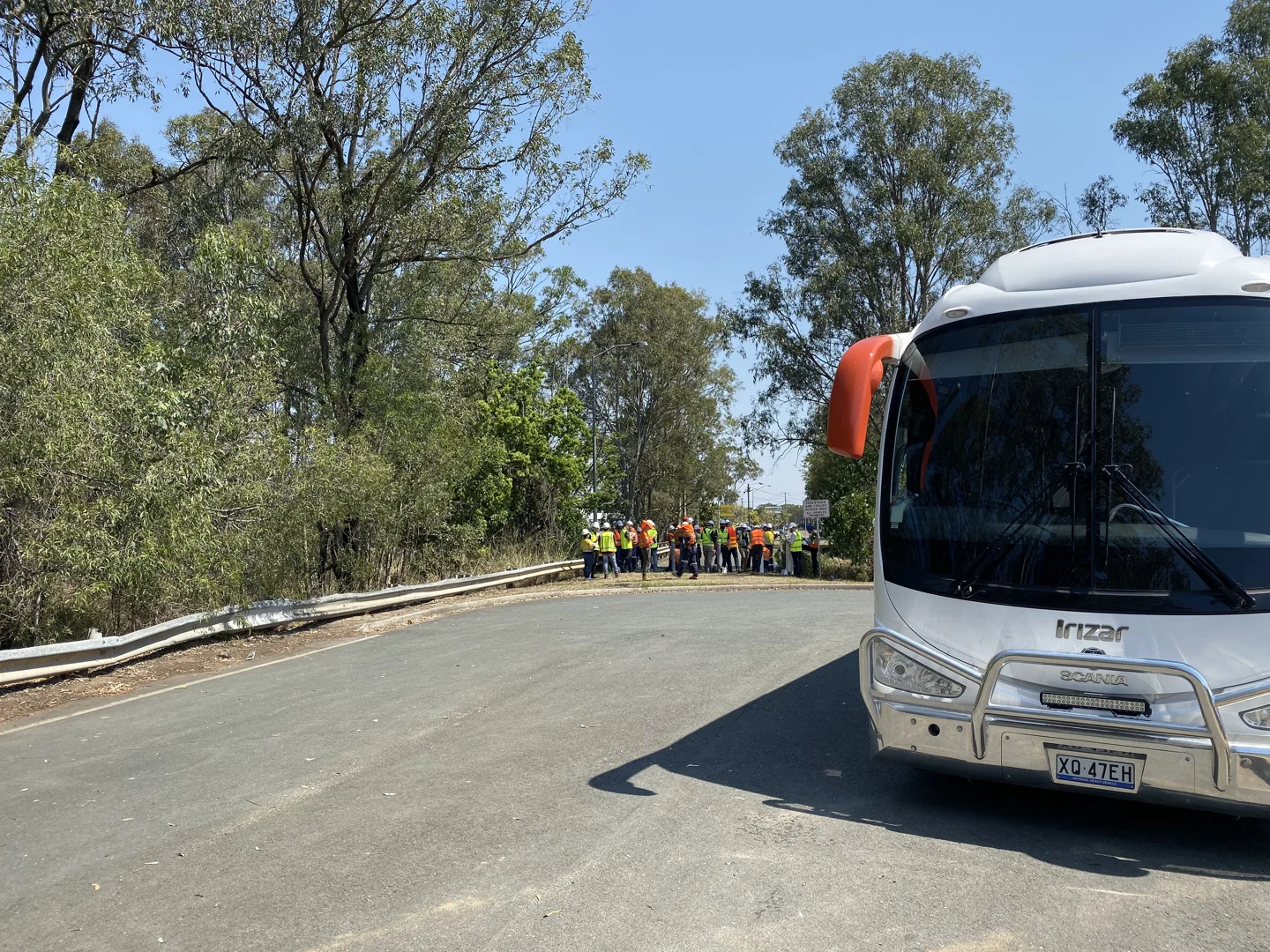
Brisbane360 coach at a business-event pickup location in South East Queensland

Assessing Provider Reliability, Safety and Communication

Price and vehicle suitability are only part of the decision. Businesses also need confidence that the provider can deliver the agreed service, communicate clearly and manage the practical details before the travel date.

Signs of a Reliable Corporate Transport Provider

When comparing corporate transport providers, look for evidence of clear operating procedures, appropriate vehicle and driver credentials, transparent booking terms and a practical approach to itinerary planning. Ask how pickup times are confirmed, who communicates schedule changes and what arrangements apply if the planned service needs to change.

For corporate group transport, it is reasonable to confirm that the provider meets applicable vehicle, driver, insurance and passenger transport requirements. Queensland businesses can review the state’s driver authorisation requirements and vehicle and operator accreditation information when establishing their own verification process. Organisations with their own procurement or safety procedures should request the information they need before confirming the booking.

Confirming the Booking Details

A written booking confirmation should set out the agreed vehicle, passenger numbers, pickup points, destinations, departure times, waiting arrangements, price and any conditions for changes. Confirming these details in advance gives everyone involved a shared reference point and helps prevent avoidable misunderstandings.

Brisbane360 professional driver and vehicle prepared for corporate group transport

For recurring staff transport, review the route and schedule periodically as staffing levels, operating hours or work locations change.

Frequently Asked Questions About Corporate Transport Services

How far in advance should you book corporate transport?

Book once the itinerary and passenger estimate are reasonably clear. Larger groups, busy event dates, multiple destinations and specialised vehicle requirements may need more lead time, so early planning gives more time to coordinate the service.

Is corporate bus hire suitable for small businesses?

Yes. Corporate bus hire can suit small businesses when employees or clients need to travel together, the itinerary has multiple stops or the group needs to arrive at a set time. The decision depends on the journey requirements and overall value rather than the size of the business.

What information should you provide when requesting a quote?

Provide the travel date, passenger numbers, pickup and drop-off locations, required timings, expected hire duration, return arrangements and any luggage, equipment or accessibility requirements. Include every planned stop and relevant venue access detail so the provider can assess the full itinerary.

Can corporate transport be arranged for recurring staff travel?

Yes. Recurring group transport can be planned around agreed pickup points, workplace locations, operating hours and expected passenger numbers. Discuss the frequency of travel and likely schedule changes so the arrangement remains practical.

What should you do if corporate travel plans change?

Tell the provider as early as possible and provide the revised itinerary or timing. Whether changes can be accommodated will depend on the confirmed booking details, vehicle availability and the applicable terms.

Choosing Corporate Transport Services for Confident Business Travel

Comparing corporate transport services is most effective when you assess the complete journey, not only the initial quote. Review the vehicle’s suitability, the planned schedule, the inclusions and the provider’s ability to communicate clearly and coordinate the service.

At Brisbane360, I’ve seen how a clear itinerary and realistic planning make group travel easier to manage. Sharing the passenger requirements, pickup plan and timing early helps identify an arrangement that fits the day.

Is private bus transport worth it for a large group?

Is Private Bus Transport Worth It for a Large Group?

Private bus transport can be worthwhile for a large group when travelling together, arriving on time, and reducing coordination matter as much as the booking price. The best option depends on passenger numbers, journey length, luggage, pickup points, vehicle requirements, and budget. Comparing the full journey cost helps organisers decide whether several cars, public transport, or a dedicated vehicle offers the better fit.

Hi, I’m Cam Storey. I have worked in passenger transport since 2009, helping groups across Brisbane and South East Queensland match vehicle size, routes, pickup arrangements, and schedules to real event needs. In my experience, the most suitable option is rarely the one that looks cheapest at first glance. It is the option that gives the group a workable itinerary, enough room, and a clear plan for getting everyone there.

Key Takeaways

  • Private bus transport can be cost-effective when the total journey cost is shared across a larger group.
  • Comparing fuel, tolls, parking, travel time, and coordination gives a fairer view than the upfront booking price alone.
  • A dedicated vehicle can simplify pickup arrangements, shared schedules, and arrival times.
  • Passenger numbers, luggage, route length, waiting time, and accessibility needs affect the most suitable vehicle and quote.
  • Private bus hire is most worthwhile when the vehicle and itinerary match the group’s actual needs.

How Much Can a Private Bus Save a Large Group?

Benefits of private bus transport for large groups, including convenience and cost savings.

Is Hiring a Bus Cheaper Than Taking Multiple Cars?

Private bus hire is not automatically the lowest-cost option, but it can compare favourably once the full journey is considered. For groups travelling in separate cars, add fuel, tolls, parking, vehicle hire where relevant, and the number of vehicles needed for passengers and luggage. The organiser should also consider whether different drivers, parking locations, and arrival times create extra work on the day.

Public transport may still be the more economical choice when fares are low, the route is direct, and every passenger can follow the same timetable. A dedicated vehicle is often more useful where a group needs a shared pickup, a set arrival time, or a destination that is not conveniently served by public transport. For practical local planning considerations, Brisbane 360’s guide to group travel in Brisbane can help organisers identify the details to compare.

How Do You Calculate the Cost Per Person?

A simple way to compare options is:

Cost per person = total transport cost ÷ number of passengers

For example, a hypothetical booking costing $900 shared by 30 passengers works out to $30 per person. This is an illustration only, not a Brisbane 360 quote or advertised rate. Compare that figure with each traveller’s likely share of fuel, tolls, parking, and any other costs when travelling separately.

The calculation is a starting point rather than the whole decision. A slightly higher per-person cost may still be worthwhile if it removes difficult pickup arrangements, parking pressure, or the risk of staggered arrivals.

What Affects Private Bus Hire Costs?

A quote reflects the itinerary rather than passenger numbers alone. Vehicle size, journey distance, booking duration, pickup locations, waiting time, extra stops, return arrangements, luggage, and accessibility requirements can all affect the suitable vehicle and total cost. Request quotes using the same itinerary and inclusions so each option can be compared fairly.

For groups that need a professional driver and a vehicle matched to the journey, it is useful to review the practical options for bus hire with a driver before finalising the plan.

What Makes Private Bus Transport Worth the Cost?

How Does Keeping Everyone Together Help the Day Run Smoothly?

One planned journey gives a group a shared departure point, travel time, and arrival plan. That can make a real difference for corporate events, school excursions, community outings, and other occasions where late arrivals affect the day’s schedule. Instead of tracking several vehicles, organisers can communicate one itinerary and one meeting point.

A professional driver also keeps the travel plan focused on the agreed route and timing. For larger groups, Brisbane 360’s information on large group transportation outlines the practical considerations involved in coordinating a shared journey.

How Does Private Transport Reduce Driving, Parking, and Coordination?

Organising multiple cars means sharing directions, accounting for different departure times, finding suitable parking, and responding when someone is delayed. Those tasks can be manageable for a small, flexible group, but they become more demanding when an event has a fixed start time or a venue with limited parking.

A dedicated vehicle does not remove every planning task, but it can reduce the number of moving parts. The organiser still needs to confirm the passenger list, pickup details, and return arrangements, while the driver manages the route and vehicle operation.

How Do You Choose the Right Vehicle for Comfort and Luggage?

The largest available vehicle is not always the best fit. The right choice should allow enough seating, luggage space, and comfort for the journey without paying for capacity the group does not need. Consider trip duration, bags or equipment, mobility requirements, and whether the group needs one pickup point or several.

For smaller groups or journeys with particular vehicle requirements, comparing available coach hire in Brisbane options can help match capacity to the itinerary. A clear passenger count and luggage estimate make it easier to recommend a suitable vehicle.

When Is Private Bus Hire the Right Choice for Your Group?

Which Groups Benefit Most From Private Bus Transport?

Private bus transport can suit corporate teams travelling to conferences or company events, schools heading to excursions or study activities, community and sporting groups attending shared events, and families or social groups organising celebrations or day trips. It is most useful when passengers are travelling to the same place on a shared schedule and the organiser wants a straightforward way to coordinate the journey.

When Might Private Bus Hire Not Be Worth It?

Private hire may be less suitable for a very small group, travellers departing from widely separated areas, or journeys where public transport provides a simple direct route at a lower cost. In those situations, separate arrangements can be more economical or convenient. The decision should reflect the full itinerary, not a fixed passenger threshold.

What Should You Check Before Booking?

Before requesting a quote, prepare:

  • the expected passenger number
  • pickup and drop-off locations
  • preferred departure and return times
  • luggage, equipment, and accessibility requirements
  • any additional stops or waiting time
  • the vehicle capacity and inclusions needed for the journey

Providing these details helps Brisbane 360 recommend private transport that fits the group rather than simply selecting the largest vehicle available. If the group is ready to explore options, the private bus hire service page explains the available starting point for planning an itinerary.

Frequently Asked Questions About Private Bus Transport

Is Private Bus Transport Cheaper Than Multiple Cars?

It can be, depending on passenger numbers, distance, fuel, tolls, parking, and the total quote for the journey. Compare like-for-like itineraries and include the costs each car would incur rather than relying on the booking price alone.

How Many People Make Hiring a Bus Worthwhile?

There is no universal number. The best fit depends on the per-person cost, vehicle capacity, route, luggage, and how important it is for everyone to travel together and arrive at the same time.

Is Private Bus Hire Worth It for a Short Trip?

It can be. A short trip may still justify private hire when parking is limited, the group has a fixed arrival time, or coordinating several cars would be difficult. The total cost should still be compared with the available alternatives.

What Should Be Included in a Private Bus Hire Quote?

Confirm the vehicle, professional driver, agreed itinerary, booking duration, pickup and return arrangements, waiting time, and any tolls or additional charges that may apply. Asking each provider to quote the same details makes comparisons clearer.

How Far in Advance Should I Book a Bus for a Large Group?

Book as early as practical, particularly for busy dates, larger groups, and more complex itineraries. Early planning gives the operator more time to match the vehicle and driver to the group’s requirements.

Is Private Bus Transport Worth It for Your Group?

Brisbane bus transporting a large group for an event.

Private bus transport can offer strong overall value when a group needs a shared itinerary, reliable timing, suitable luggage space, and less coordination on the day. It is not automatically the best choice for every journey, so compare the full cost and practical requirements before deciding.

Brisbane 360 brings hands-on experience coordinating private bus and coach transport across Brisbane and South East Queensland, with a professional driver included for group journeys.

What information do I need to provide when booking group transport?

What Information Do You Need to Book Group Transport?

When you are organising group transport, the details you provide upfront shape the whole plan. Clear information about the passenger numbers, pickup points, timing and luggage makes it easier to work out the right vehicle, route and arrangements for the day.

This matters whether you are organising a family celebration, school outing, community trip, conference, client event or multi-venue function. The more complete the information, the easier it is to plan a practical private bus or coach service with a professional driver.

Hi, Cam Storey here. I have worked in passenger transport since 2009, and coordinating private group travel across Brisbane and South East Queensland has shown me that the small details in a booking request make a real difference. Clear addresses, realistic timings, passenger numbers and luggage details help Brisbane360 plan the right vehicle, route and arrival arrangements from the outset.

Trip Details to Provide for a Group Transport Quote

Bus fleet ready for group transport booking with passenger and luggage details.

Before requesting a quote, prepare a simple booking brief with the essential journey details. This helps the transport team understand the trip rather than make assumptions about the route, schedule or group requirements.

Group Transport Booking Checklist

For a group transport quote, have these details ready:

  • Travel date, pickup time and required arrival time
  • Full pickup and drop-off addresses, including venue access details
  • Passenger numbers and any likely changes
  • Luggage, equipment and oversized items
  • Event start and finish times, plus intermediate stops
  • Accessibility or mobility requirements
  • Preferred vehicle requirements where relevant
  • Lead contact and on-site backup contact
  • Budget, client requirements and service expectations where applicable

Exact Pickup and Drop-Off Locations

Share the complete pickup and destination addresses, together with the entrance, coach bay, loading zone or venue contact that applies to the group. This matters because guest entrances are not always suitable for a larger vehicle. Knowing the correct access point early helps plan vehicle positioning, passenger meeting points and a workable approach at busy venues.

This is especially helpful when a group is travelling between venues or meeting at a busy location. If access is tight, parking is limited or the group needs a particular meeting point, include that in the initial request. An experienced private bus hire provider can then assess the most suitable approach and vehicle positioning.

Dates, Timings and Arrival Deadlines

Set out the date, collection time, required arrival time, event times and planned return journey in one clear itinerary. Add each stop in sequence and note how long the group expects to remain there. These details shape the route, waiting periods and driver schedule, rather than leaving the day to be planned around driving time alone.

The timetable may need to work around registration windows, venue access times or a planned programme. Allow sensible time for passengers to assemble, board and load belongings, rather than basing the plan only on driving time.

Passenger Numbers and Group Details

Start with the best available headcount, then explain whether children, older passengers or travellers needing additional boarding support are included. Passenger numbers guide capacity planning, but the makeup of the group can also affect boarding and pickup arrangements. If attendance is still moving, say so early so the vehicle allocation can be reviewed before the booking is locked in.

Passenger numbers influence seating capacity, while the type of group can influence pickup arrangements and the amount of coordination required. This is particularly important when one person is coordinating travel for a larger group.

Event Details, Client Requirements and Budget

Explain the purpose of the journey, the type of passengers travelling and the outcomes that matter to the organiser or client. A conference, wedding, school activity or multi-venue function can create different priorities for arrival timing, meeting points, communication and vehicle use between stops. That context allows the transport plan to support the wider event rather than treating it as a simple trip from one address to another.

When an organiser is arranging travel for an end client, the itinerary needs to be considered as part of the event plan rather than a standalone vehicle booking. A late arrival, unsuitable meeting point or schedule that does not account for venue access can affect delegates, guests and the wider programme. Giving Brisbane360 the priorities for timing, cost, passenger experience and any performance measures allows the operations team to coordinate an appropriate vehicle and professional driver in a way that supports the agreed event outcome.

Passenger Numbers, Luggage and Accessibility

Brisbane bus hire service ready for group transport bookings.

The right vehicle is determined by more than the number of seats. Passenger comfort, luggage space, equipment, accessibility needs and the shape of the itinerary can all affect the most suitable option.

Headcount and Seating Requirements

Give Brisbane360 the current headcount before a bus hire with driver is assigned, and report any changes as soon as they are known. This lets the team match seating and practical group needs before confirming the route and boarding plan. It also reduces the risk that coordinators, chaperones or late additions leave the group short of space.

A final count also helps the organiser plan meeting points and boarding times. Brisbane360 can match the group with an appropriate private bus or coach based on the passenger total and journey requirements, rather than treating every booking as the same.

Luggage, Equipment and Oversized Items

Outline what the group is bringing, from suitcases and sporting gear to musical instruments, display materials or event equipment. This can change the vehicle choice even when the passenger total stays the same: a group travelling with hand luggage has different space needs from one carrying bulky items. Seat numbers and storage capacity must be considered together when planning loading and travel comfort.

Giving this information early is particularly important when the group is carrying branded materials, event equipment or sporting gear. It lets the provider consider loading space and the most practical vehicle setup before confirming the booking.

Accessibility and Special Passenger Requirements

Raise mobility and access needs at the planning stage, including wheelchairs, walkers, prams, step access or boarding assistance. These details can influence the appropriate vehicle, the pickup location and how passengers join the group safely and comfortably. Early notice gives the transport team time to consider the access environment before confirming the arrangement.

Early notice allows the trip to be planned around the group’s needs and the pickup environment. It also helps the organiser give passengers clear information before travel day.

Final Travel-Day Checks

Once the journey details and vehicle requirements are clear, confirm the operational and booking details that will support a smooth delivery on the day.

Multi-Stop Routes and Driver Scheduling

Map the route in the order the day will run, with an expected duration for each pickup, venue change and waiting period. Multiple stops do more than add kilometres: they affect the hire arrangement, driver hours and the time available for boarding and venue access. A practical sequence helps identify whether the itinerary can be delivered as planned.

For longer journeys or multi-stop days, the goal is not simply to move passengers from one place to another. The plan also needs to support the organiser’s schedule, available budget and client expectations. Clear timings give Brisbane360’s operations team and professional drivers the information they need to coordinate the day realistically.

Hire Arrangements and Professional Drivers

Describe how the group expects to use the service across the day, including direct travel, return journeys, repeated pickups, waiting time or a longer itinerary. Brisbane360 provides private group transport with a professional driver, so the arrangement needs to reflect the actual operating pattern. A vehicle moving between several venues requires different timing and driver coordination from a straightforward point-to-point trip.

A bus hire with driver service can be planned around the group’s route, timing and stops, with the driver managing the road logistics while the organiser focuses on passengers and the event.

Lead Contacts and Communication

Nominate a primary coordinator with a mobile number and email address, and add an on-site backup contact where possible. This creates a clear communication line for the driver and operations team if the group is hard to locate, venue access changes or timing shifts on the day. It is particularly useful when one person is managing arrangements for a larger group.

Clear contacts help the driver and operations team confirm arrival details, find the group at a busy venue and communicate quickly if access, traffic or timing changes.

Inclusions, Payment and Booking Changes

Review the agreed service before confirming, including what the quote covers, payment timing and the process for itinerary amendments. Clarify how road tolls, waiting time, changed locations and cancellation or amendment terms are handled. This protects the shared understanding of the service if the plan changes after the vehicle and driver have been scheduled.

Before final confirmation, make sure the approved scope and service expectations are documented. This helps everyone involved understand the plan and reduces last-minute uncertainty.

Travel-Day Confirmation Checklist

Before travel day, circulate the final headcount, pickup point, venue access details, departure time, luggage information and lead contacts. This gives the operations team and driver one current plan to work from instead of relying on earlier versions of the itinerary. For an event journey, confirm the arrival deadline and any directions for meeting delegates, guests or clients as well.

For tailored group travel in Brisbane, this final check gives the organiser, passengers and transport team one shared plan for the day.

Frequently Asked Questions About Booking Group Transport

What Information Is Needed for a Group Transport Quote?

Provide the travel date, pickup and drop-off addresses, passenger number, timings, luggage or equipment details, stops, accessibility requirements and lead contact. Include budget and client requirements when you are booking for a corporate event or another client.

Does Luggage Affect Which Bus or Coach I Should Book?

Yes. Luggage and equipment can affect the amount of storage space required, even when the passenger count fits within the available seating. Describe bulky or unusual items when requesting a quote.

How Early Should I Book Group Transport for a Corporate Event?

Book as early as practical once the event date and core itinerary are known. Early planning gives more time to coordinate vehicle availability, venue access, passenger numbers and changes to the event schedule.

Can Brisbane360 Work With Event Agencies and Corporate Travel Businesses?

Yes. Brisbane360 can work with event agencies, corporate travel businesses and internal coordinators arranging private group transport for clients, conference delegates, teams and event guests. Sharing the full brief helps the team support the agreed schedule and service requirements.

Can I Change My Itinerary After Booking?

Changes may be possible, but they should be raised as soon as possible. New stops, different timings or passenger changes can affect the vehicle allocation, driver schedule and booking arrangements.

What Information Do You Need to Book Group Transport with Brisbane360?

Passengers boarding an event bus with assistance from a professional driver

Give Brisbane360 the full picture of the journey, and the team can plan the transport logistics around it. Accurate addresses, timings, passenger numbers, luggage details, accessibility needs, contacts and relevant client expectations help determine the right vehicle, route, loading arrangements and driver schedule.

Brisbane360 brings hands-on experience coordinating private group travel across Brisbane and South East Queensland. For corporate and event bookings, the operations team and professional driver need to work around the event schedule, route access, passenger experience, available budget and client expectations, so the transport plan supports the wider event rather than simply supplying a vehicle.

Explore these relevant Brisbane360 services:

corporate bus for staff transport

The Benefits of Dedicated Staff Transport

Getting employees to work can become difficult when teams live across different suburbs, shifts start early, parking is limited or public transport does not match operating hours. A dedicated corporate bus gives businesses a more organised way to move employees between agreed pickup points and workplaces, with routes, schedules and vehicle capacity planned around the organisation’s needs.

I have spent years coordinating private group travel across Brisbane and South East Queensland. Since working in passenger transport from 2009, I have seen that the most reliable staff transport programmes begin with practical details: where people need to be collected, when each shift starts, which roads suit the vehicle, and how the service will run day after day. At Brisbane360, my team and I use that local knowledge to help businesses plan private transport that fits their operations.

Key Takeaways

  • Dedicated staff transport can simplify employee commuting and shift logistics.
  • Routes work best when they reflect employee locations, shift times and realistic traffic conditions.
  • The right vehicle depends on passenger numbers, route requirements and stop frequency.
  • Central pickup points can make longer staff routes more efficient.
  • Brisbane360 provides private bus and coach transport with a professional driver.

More Predictable Employee Commuting

A planned staff transport service helps coordinate arrivals around an agreed timetable instead of leaving every employee to navigate a separate journey. It can reduce reliance on changing public transport timetables, make shift handovers easier to plan and ease parking pressure at workplaces in Brisbane, Logan, Ipswich, the Gold Coast and other South East Queensland employment areas.

Instead of promising a perfect commute, the aim is to reduce avoidable friction. Clear pickup times, sensible route design and regular communication give employees a more predictable way to reach the workplace, while managers can plan around a service built for their operating hours. Businesses looking for a dedicated service can explore Brisbane360’s staff transport services for a practical starting point.

Transport for Early, Late and Shift-Based Work

Yes. Dedicated employee bus transport can be particularly useful for manufacturing sites, warehouses, logistics operations, corporate offices, events and other workplaces where start or finish times do not align neatly with public transport. The route, pickup points and timetable can be planned around the agreed shift pattern and passenger numbers.

This approach is often most effective when businesses identify which shifts need support, where employees are travelling from and whether one route or several services are needed. A professional driver operates the vehicle, so employees are passengers rather than being expected to drive a hired bus.

Reducing Parking and Commuting Pressure

Instead of dozens of employees travelling separately, one appropriately sized vehicle can consolidate part of the workforce’s journey. This can reduce demand for onsite parking and make it easier to coordinate arrivals where space is limited.

The benefit depends on the route and uptake, so it is important to match the service to real employee travel patterns rather than applying a generic model. A well-planned corporate commuter transport programme should support the way the business already operates.

Choosing the Right Bus for Staff Transport

Choosing the right vehicle starts with employee numbers, but capacity is only part of the decision. The route, number of stops, road access, travel distance, peak-hour traffic and frequency of trips all affect which option will be practical for regular staff transport.

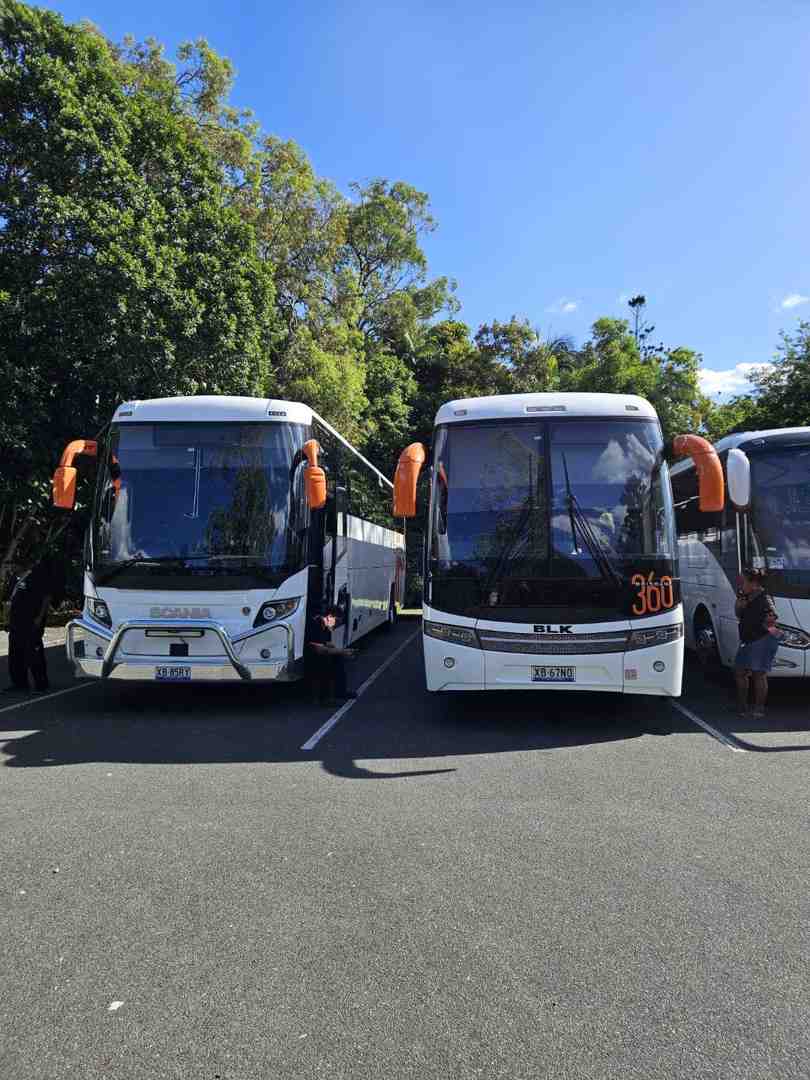
Corporate minibus and coach fleet parked at a modern regional facility

Vehicle Capacity by Workforce Size

Brisbane360 can match different group sizes with suitable private bus and coach options. The following guide helps businesses start the conversation:

Vehicle size Best suited to
7–13 seats Small teams and flexible multi-stop routes
24 seats Medium-sized teams and local staff transfers
33–39 seats Larger departments and regular commuter routes
57–61 seats Large workforces, shifts and high-volume staff transport

For smaller teams travelling through tighter suburban streets, a 7-seat or 13-seat vehicle may be easier to route through areas such as Southport, Ashmore or Bundall. For larger groups travelling to business parks, distribution centres or offices, a 24-seat, 33-seat, 37/39-seat, 57-seat or 61-seat vehicle may provide a more efficient fit. Brisbane360’s corporate bus hire options can be discussed alongside the planned route and passenger numbers.

For more guidance on matching vehicle capacity with route requirements, see Brisbane360’s guide to choosing the right bus for group travel.

Matching the Vehicle to the Route

A vehicle that suits the passenger count may not suit every road or pickup pattern. Businesses should consider road access, the number and location of stops, journey length, likely peak-hour delays, the required service frequency and employee shift times before confirming a vehicle.

For example, a smaller vehicle can suit a flexible route with several suburban pickups, while a larger coach may be more suitable for a direct journey from a central hub to a major workplace. This is why planning staff transport in Brisbane, Logan, Ipswich, Moreton Bay, the Gold Coast and the Sunshine Coast should begin with the journey, not only the seat count.

For direct services carrying larger groups, corporate bus hire can be matched to passenger numbers, road access and the agreed timetable.

Comfort for Regular Staff Travel

For regular employee transport, practical comfort helps make the service easier to use. Depending on the vehicle selected, this can include air conditioning, comfortable seating, useful legroom and charging facilities.

The goal is not to overcomplicate the trip. It is to provide a comfortable, professionally driven journey that helps employees arrive ready for the workday or return journey home.

What Makes a Good Corporate Staff Transport Service?

A well-designed staff transport programme is built around day-to-day operations, not just available seats. The most effective services balance realistic timing, accessible pickup points, suitable vehicles and clear responsibility for delivery.

Reliable Schedules

Pickup and arrival times should reflect normal traffic conditions, the time needed for safe boarding and the actual shift start time. A practical timetable gives employees and managers a more dependable basis for planning the working day.

Efficient Pickup Points

Pickup points need to be convenient enough for employees to use without adding unnecessary detours to the route. A small number of well-located hubs can help keep travel times manageable while maintaining access across the workforce.

Vehicle and Route Compatibility

The right vehicle must suit more than passenger numbers. Capacity, road access, stop frequency and practical passenger comfort all affect whether a regular service will work well on the planned journey.

Professional Drivers and Dedicated Transport

One experienced provider can coordinate the vehicle, professional driver, route details, pickup logistics and service communication. This gives businesses a clear point of contact and helps keep operational responsibilities organised.

Adapting the Service as Needs Change

Workforce numbers, shift patterns and employee locations can change over time. Reviewing the route and timetable when those changes occur helps the service remain practical for the business and its employees.

Planning a Staff Transport Route

A reliable staff transport route is built around the workforce rather than a generic timetable. Before booking, businesses should identify where employees are travelling from, when they need to arrive, how many passengers are expected and how often the service is required.

Professional driver welcoming corporate staff aboard a modern coach in Brisbane

Information to Gather Before Planning

Start by collecting the employee residential areas or preferred pickup points, shift start and finish times, passenger numbers, required frequency and workplace location. This gives the transport operator the information needed to recommend a vehicle, shape the route and set realistic collection times.

For businesses managing several sites or changing shift patterns, it can also help to identify which groups travel at the same time and whether a central pickup point would simplify the service. Brisbane360 can help businesses plan employee transport solutions around these practical details.

Building Efficient Pickup Points

Strategic pickup hubs are often more practical than trying to collect every employee from their front door. A small number of accessible collection points can reduce unnecessary detours, keep the journey manageable and make the timetable easier to communicate.

The best locations depend on the workforce and route. They may include convenient suburban meeting points, park-and-ride facilities or transport interchanges that are easy for employees to reach before boarding the private bus or coach.

Testing Routes During Peak Traffic

A route that appears efficient on a map can perform differently during the morning or afternoon peak. Testing the journey at the relevant time helps account for regular congestion, school traffic, roadworks and the time needed for safe pickups.

This is especially useful on busy South East Queensland corridors, including the Pacific Motorway around Nerang and Upper Coomera, the Gateway Motorway and the Bruce Highway towards the Sunshine Coast. Test runs help refine pickup timing and create a more dependable operating plan.

Working With a Professional Transport Operator

A professional operator can coordinate route planning, vehicle selection, scheduling, pickup logistics and ongoing service communication while providing a professional driver. This gives businesses one clear point of contact as the staff transport programme develops.

At Brisbane360, Cam Storey brings hands-on passenger transport experience dating back to 2009, including practical knowledge of route planning, vehicle selection, pickups and event logistics. That local experience helps the team plan private group transport for businesses across Brisbane and South East Queensland, including Ipswich, Logan, Moreton Bay and the Gold Coast.

Frequently Asked Questions About Corporate Bus Hire for Staff Transport

How Does Corporate Bus Hire for Staff Transport Work?

A business works with a transport provider to confirm passenger numbers, pickup points, workplace location, route requirements, operating times and vehicle capacity. The provider then plans a professionally driven private bus or coach service around the agreed requirements.

What Size Bus Do I Need for Employee Transport?

The right size depends on passenger numbers, the route and how often the service will run. Brisbane360 offers 7-seat, 13-seat, 24-seat, 33-seat, 37/39-seat, 57-seat and 61-seat vehicle options, so the best choice can be matched to both the workforce and the journey.

Can Staff Transport Be Arranged for Different Shifts?

Yes. Routes and schedules can be planned around different operating times, subject to the agreed passenger numbers, pickup points, vehicle availability and service requirements. This can suit workplaces with early, late or changing shifts.

How Do You Plan Pickup Points for a Staff Bus?

Pickup points should balance employee accessibility with route efficiency. Central hubs are often more practical than numerous individual stops because they reduce detours and make arrival times easier to manage. Businesses can also review Brisbane360’s guide to planning corporate group transport before deciding how their service should operate.

Does Corporate Bus Hire Include a Driver?

Yes. Brisbane360 provides private bus and coach transport with a professional driver. Businesses organise the service requirements, while Brisbane360 manages the passenger transport operation.

How Much Does Corporate Bus Hire for Staff Transport Cost?

Pricing depends on the vehicle size, route length, number of stops, service frequency, operating hours and passenger requirements. A tailored quote gives businesses a clearer view of the cost for their planned employee transport service.

Plan a More Reliable Staff Transport Service

Corporate bus hire for staff transport gives businesses a practical way to organise employee travel around real workforce locations, shift times and operating needs. With the right vehicle, sensible pickup points and a professionally driven service, staff transport can become easier to coordinate across South East Queensland.

book corporate transport

How to Book Corporate Transport in Brisbane

Booking corporate transport in Brisbane is easier when the travel plan is confirmed before the event day. To book corporate transport, confirm passenger numbers, pickup and drop-off locations, the event schedule, vehicle requirements, and any venue access restrictions. These details help a provider recommend suitable private bus or coach transport and build a practical itinerary for conferences, site visits, executive travel, and company functions across Brisbane and South East Queensland.

Start with the essential details: the event date, collection locations, arrival deadlines, return arrangements, luggage or equipment, accessibility requirements where relevant, and one event-day contact. Providing this information early makes it easier to plan the right group transport service and avoid late changes.

White minibus for booking corporate transport in Brisbane.

I am Cam Storey, and I have worked in passenger transport since 2009. My hands-on experience with route planning, vehicle selection, pickups, and event logistics helps Brisbane360 coordinate private group travel across Brisbane and South East Queensland.

Key Takeaways

  • Confirm the event date, passenger numbers, locations, timings, and venue access before requesting a quote.
  • Choose private bus or coach transport around luggage, equipment, journey length, stops, and comfort needs, not seats alone.
  • Build an itinerary that allows for each pickup, transfer, venue arrival, and return movement.
  • Give the driver team one clear event contact and a final itinerary before departure.
  • Check the booking details and communicate passenger or schedule changes as early as possible.

1. What Details Do You Need to Book Corporate Transport?

Before requesting a quote, gather the information that shapes the journey. Brisbane360 provides private bus and coach transport with a professional driver, so organisers do not need to arrange a separate driver or manage vehicle logistics themselves.

What Information Should You Have Ready?

Prepare a booking brief that records the date, group size, collection and destination points, arrival deadline, return travel, planned stops, luggage or equipment, accessibility needs, venue-entry conditions, and the event-day contact. With that brief in place, the transport team can assess the route and confirm arrangements before the booking proceeds.

Corporate Transport Booking Checklist

Before requesting a quote, have these details ready:

  • Date and times: Event start, pickup windows, arrival deadlines, and return requirements.
  • Passenger numbers: Expected group size, including likely changes before the event.
  • Locations: Each pickup, destination, drop-off, and intermediate stop.
  • Vehicle requirements: Seating, luggage, equipment, comfort, and accessibility considerations.
  • Venue access: Loading areas, security procedures, designated collection points, and restricted access.
  • Event contact: One person responsible for confirming changes on the day.
  • Itinerary: The planned order and timing of every movement.

How Do You Choose the Right Corporate Bus?

Choose private bus or coach transport by considering passenger numbers, luggage or equipment, journey duration, the number of stops, the required comfort level, and the event logistics. A small executive group may need room for laptops, briefcases, and presentation materials, while a larger conference group may need more seating and luggage capacity. Use the confirmed brief to select an option that suits the group’s space, travel, and operational needs.

2. How Should You Plan Your Corporate Event Transport Itinerary?

Plan the day as a sequence of timed movements rather than a single journey. For conferences, retreats, celebrations, and site visits, outline every collection, arrival deadline, return movement, and location change before travel begins.

Plan for Single-Trip or Multi-Stop Travel

A straightforward transfer can be planned differently from a multi-stop itinerary. Every additional pickup, venue change, or return movement affects timing, so list the order of travel and the time required at each stop. Corporate events may involve hotel collections, a conference venue, a client site, a dinner location, or accommodation, and each movement should be included in the final plan.

Set Timings for Each Movement

Set pickup windows, intermediate stops, venue arrival times, and realistic travel buffers. For example, a conference itinerary might include 7:30am hotel pickups, an 8:15am venue arrival, a 5:30pm return transfer, and an optional evening movement to a function venue. Listing each movement in advance gives the driver team a clear schedule and helps identify where additional travel time may be needed.

Allow for Brisbane and South East Queensland Travel

Corporate events can involve travel between Brisbane CBD hotels, conference venues, offices, and surrounding South East Queensland locations. Trips to the Gold Coast, Sunshine Coast, Ipswich, Logan, Redlands, or Moreton Bay need realistic buffers, especially when the itinerary crosses several areas or includes multiple collections. For seasonal events, Brisbane360’s festive function transport planning guide offers helpful booking considerations for organised group movements.

Appoint an Event-Day Transport Contact

Choose one organiser to hold the final schedule and relay updates to the driver team. Having a single point of contact keeps passenger updates, changed collection times, and venue instructions consistent on the day.

When events involve Brisbane and surrounding South East Queensland locations, allow additional time for each regional leg and collection point. The festive function transport planning guide also outlines practical steps for arranging seasonal group movements early.

3. What Should You Check Before Confirming Corporate Transport?

Before confirming a booking, check that the provider can support the required passenger capacity, the itinerary can include the planned stops, a professional driver is included, and there is a clear event-day contact. These checks keep the booking focused on the practical details that affect the journey.

What Should the Quote Include?

Check what the quote includes, such as the vehicle, professional driver, journey duration, planned distance, and any additional requirements associated with the itinerary. A clear scope helps organisers compare options and complete internal approvals with confidence.

Confirm Venue Access and the Final Brief

Provide the driver team with one final booking brief that brings together the itinerary, group size, collection points, venue contacts, access notes, and the person responsible on the day. Include hotel entrances, office pickup points, security processes, loading areas, and any changed passenger or travel details so the route and timing can be reviewed before departure.

Corporate Transport Booking Questions

Man using a smartphone to book corporate transport in Brisbane.

When Should You Arrange Corporate Transport?

Corporate transport should be booked as early as practical, particularly for larger groups, multi-stop itineraries, or busy event periods. Once the event date, approximate passenger count, and major travel times are known, request a quote and begin confirming the vehicle and schedule.

What information do I need to get a corporate transport quote?

For a well-matched quote, share the date, group size, pickup and destination points, arrival deadlines, return plans, intermediate stops, luggage or equipment, and venue access information. This gives the transport team the detail needed to map the proposed movements and assess the booking requirements.

Can corporate buses handle multiple pickup locations?

Yes, corporate buses can support multiple pickup locations when the route and timing are planned around the additional stops. Share the collection order and final arrival deadline so the itinerary includes appropriate travel time.

What should I include when booking corporate event transport?

Include the event date, passenger numbers, locations, timings, vehicle requirements, venue access details, and one event-day contact. A complete itinerary also covers every collection, destination, return movement, and intermediate stop.

Can corporate transport include return and multi-stop journeys?

Yes, corporate transport can include return and multi-stop journeys when the complete itinerary is provided in advance. Each additional movement should have a planned time, location, and contact detail so the day can be coordinated clearly.

What happens if passenger numbers change before the event?

If passenger numbers change before the event, let the provider know as early as possible. This allows the vehicle requirements, route, timing, and collection arrangements to be reviewed before the day.

Does Brisbane360 Supply a Driver for Corporate Groups?

Yes. Each Brisbane360 private bus or coach booking includes a professional driver, so the organiser is not arranging a separate driver or managing the vehicle independently.

Book Corporate Transport for Your Brisbane Event

White minibus ready for corporate transport bookings in Brisbane.

Once the passenger numbers, locations, timings, and itinerary are confirmed, you are in a much better position to book corporate transport in Brisbane for your event. Brisbane360 provides private bus and coach transport with a professional driver for corporate groups travelling across Brisbane and South East Queensland.

corporate event transportation options

Corporate Event Transport Planning

Companies hire buses for corporate events because moving a group together is far easier to coordinate than asking employees or delegates to arrange separate travel. A private bus or coach gives the organiser one planned transport solution, with agreed pickup times, a professional driver, and a clear route for the whole group.

This is useful for conferences, seminars, team days, offsites, corporate functions, award nights, and events with more than one venue. If you are comparing corporate event transportation options, the practical question is not simply how people will travel. It is how to get the right people to the right place at the right time without creating extra work for the event team.

I’m Cam Storey, and I’ve worked in passenger transport since 2009. Through Brisbane360, I’ve helped coordinate private group travel across Brisbane and South East Queensland, including route planning, vehicle selection, pickups, and event logistics. I’ve seen how much difference early transport planning makes when a large group needs to arrive together and stay on schedule.

  • A coordinated vehicle keeps employees and delegates travelling together.
  • Planned pickup and drop-off times support the event timetable.
  • Group transport reduces the parking, directions, and rideshare coordination an organiser would otherwise manage.
  • Different vehicle sizes can suit anything from a small leadership group to a large conference delegation.
  • One professional driver and transport provider gives the event team a single point of coordination.

Why Do Companies Hire Buses for Corporate Events?

A private bus or coach gives the event organiser one coordinated transport plan instead of relying on multiple cars, rideshares, or separate travel arrangements. It keeps the group together, makes arrival times easier to manage, and reduces the practical work involved in moving people between venues.

To Keep Employees and Delegates Together

When staff or delegates travel from a shared departure point, it is easier to confirm numbers, communicate last-minute changes, and make sure everyone reaches the venue together. This is particularly helpful for conferences, team days, and offsites where a delayed arrival can hold up registrations, presentations, or activities.

It also makes moving between venues more straightforward. Instead of relying on separate cars, rideshares, and individual directions, the group follows one agreed plan. That means fewer missed turns, fewer people arriving at different times, and less chasing people on the day.

To Keep Corporate Events on Schedule

Transport should be treated as part of the event timeline, not as an afterthought. A good plan allows for boarding, luggage or equipment, realistic travel time, venue access, and a sensible arrival buffer. It cannot remove traffic from the road, but it can reduce avoidable coordination problems.

For corporate event transport, scheduled pickups and agreed arrival windows help organisers build a more realistic run sheet. This becomes even more valuable when the group needs to move between a hotel, conference venue, dinner location, or offsite activity.

To Simplify Corporate Event Logistics

Without a group transport plan, an organiser may need to manage individual vehicles, parking instructions, rideshares, meeting points, directions, late arrivals, and return travel. A private bus or coach centralises those moving parts into one itinerary.

Brisbane360 provides corporate transport services with a professional driver, so organisers and attendees are not responsible for driving, navigation, or managing the vehicle during the event. The focus stays on the event itself rather than the transport details.

To Avoid Parking Problems

Parking can become complicated when a large group travels separately, especially around CBD venues, hotels, conference centres, entertainment precincts, and busy event locations. Multiple cars can mean different arrival times, unclear meeting points, and a longer wait for everyone to assemble.

Travelling together allows the group to use an agreed pickup and drop-off point. It is a practical way to make arrivals and departures more orderly without asking every attendee to solve the same parking and navigation problem individually.

What Makes a Bus Practical for Corporate Events?

Executive coach interior with corporate passengers

Private bus and coach transport works well for corporate events because the vehicle, route, and timing can be planned around the group rather than left to individual arrangements. The right option depends on the size of the group, the itinerary, the amount of luggage or equipment, venue access, and any accessibility requirements.

Different Bus Sizes Suit Different Corporate Groups

Vehicle selection should start with the actual number of passengers, then consider journey length, stops, luggage, and boarding arrangements. A small leadership group does not need the same vehicle as 60 conference delegates, and a full-day itinerary may need more space than a short city transfer.

Our fleet of luxury mini buses is constantly growing and updating to provide premium travel across Brisbane. Available capacities include 7, 13, 24, 33, 37/39, 57, and 61 seats, helping Brisbane360 match private bus hire or private coach hire to the group and itinerary without turning the booking into a one-size-fits-all decision.

Professional Drivers Take Care of the Journey

With corporate bus hire, a professional driver handles the driving and route management. That means employees and organisers do not need to nominate drivers, navigate unfamiliar locations, or manage a vehicle while trying to run an event.

The organiser can share the itinerary, pickup requirements, and venue details in advance, then focus on delegates, presentations, and event delivery on the day. It is a practical distinction between private group transport with a driver and vehicle-only hire.

Comfort Matters on Longer Corporate Trips

Comfort can influence how delegates feel when they arrive, particularly for longer journeys or full-day events. Relevant features may include comfortable seating, climate control, charging access where available, luggage space, and suitable room for the group.

These details are not about adding unnecessary extras. They help attendees arrive ready to participate rather than having to manage a long or complicated journey before the event begins.

Accessibility Can Be Planned in Advance

Accessibility should be part of the booking conversation, not a last-minute addition. Discuss wheelchair accessibility, boarding needs, passenger assistance, vehicle suitability, and pickup or drop-off arrangements early so the right vehicle can be planned for the group.

Brisbane360 has accessible vehicle options, including vehicles fitted with certified wheelchair lifts. Giving clear requirements during the planning stage helps make the travel arrangements more inclusive and practical for every delegate.

Accessible passenger lift and ergonomic seating

When Does It Make Sense to Hire a Corporate Bus?

A private bus or coach is most useful when the event involves a group that needs to travel together, arrive within a planned window, or move between locations. It gives organisers a single transport plan instead of a collection of individual arrangements.

Conferences and Seminars

Conferences and seminars often involve travel between hotels, venues, parking areas, and additional sessions. For larger groups, coordinated transport helps manage scheduled movements and makes it easier for attendees to arrive for registration or the next part of the programme at roughly the same time.

Company Team Days and Offsites

A team day or offsite is easier to start when employees do not need to organise their own route, parking, and arrival time. Group transport gives everyone a shared departure point and helps the day begin with the whole team together rather than staggered arrivals.

Corporate Functions and Award Nights

For evening functions and award nights, coordinated transport can simplify both arrival and departure. It can be especially useful where the itinerary includes a workplace pickup, a venue with limited parking, or more than one planned stop.

Multi-Venue Corporate Events

Private group transport becomes particularly useful when an event includes several locations. For example, a day may involve a hotel, a conference venue, a dinner venue, and then a return journey. Mapping the route and stops in advance helps the organiser account for boarding time, venue access, and realistic travel buffers.

How Do You Plan Corporate Bus Transport for an Event?

Start With the Guest List

Confirm the number of passengers, whether staff and external delegates are travelling together, accessibility needs, and any luggage or equipment. These details help determine the most suitable vehicle size and whether one vehicle or a coordinated set of movements is needed.

Map the Itinerary

Provide the pickup locations, destination, additional stops, event start time, return journey, and venue access details. The clearer the itinerary, the easier it is to plan the pickup order and allow enough time for each movement.

Allow Time for Boarding and Traffic

A workable schedule needs more than the estimated driving time. Include time for people to board, luggage or equipment to be loaded, access at each venue, changing traffic conditions, and a reasonable arrival buffer. This helps reduce rushed transitions during the event.

Book Early for Larger Events

The right booking lead time depends on group size, event date, vehicle requirements, and how detailed the itinerary is. Larger conferences and multi-day events generally benefit from earlier planning because it provides more time to confirm capacity, stops, and operational details. For more practical timing guidance, see Brisbane360’s guide to planning corporate transport for end-of-year functions.

Corporate event coordinator reviewing itinerary details

Frequently Asked Questions

Why should a company hire a bus instead of asking employees to drive?

A private bus or coach gives the organiser one coordinated travel plan instead of multiple individual journeys. It can simplify parking, meeting points, arrival timing, and movement between venues while keeping the group together.

How many people can a corporate bus take?

Brisbane360 has vehicles with 7, 13, 24, 33, 37/39, 57, and 61 seats. The most suitable option depends on passenger numbers, luggage or equipment, journey length, stops, venue access, and accessibility needs.

Can a corporate bus make multiple stops?

Yes. Pickup and drop-off points can be built into the itinerary where they suit the route and vehicle requirements. Additional stops should be discussed early because each one affects travel time and the overall schedule.

Can corporate buses pick employees up from different locations?

Multiple pickup points may be possible, but they need to be planned in advance. A clear pickup order helps account for added travel time and keeps the event timetable realistic.

Can corporate buses accommodate wheelchair users?

Accessible vehicle options are available. Share wheelchair access, boarding, assistance, and pickup or drop-off requirements during booking so an appropriate vehicle can be arranged.

How far in advance should I book a corporate bus?

Timing depends on the group size, event date, required vehicle, and itinerary. Larger or multi-day events generally benefit from earlier planning, particularly where multiple stops or accessibility requirements are involved.

Does Brisbane360 provide a driver with corporate bus hire?

Yes. Brisbane360 provides private bus and coach transport with a professional driver. It is not a self-drive vehicle hire service.

Why Companies Choose Corporate Bus Hire

Companies hire buses for corporate events because group transport makes the practical side of an event easier to coordinate. Rather than managing multiple cars, parking arrangements, directions, and individual arrival times, organisers can build one transport plan around the event itinerary.

For corporate events across Brisbane and South East Queensland, Brisbane360 can help you explore corporate transport services, arrange general passenger transport, or request a tailored corporate transport quote based on your group size, timing, and route.

If you’re planning corporate group transport, these Brisbane360 guides can help you work through the next steps:

What are the challenges of workforce transport?

What Are the Challenges of Workforce Transport?

Moving employees or corporate groups can sound straightforward until a business needs to coordinate people, locations, schedules, vehicle capacity and arrival times at once. Workforce transport becomes more difficult when staff work different shifts, live across several suburbs, cannot rely on public transport at the required time, or need to travel together for a corporate event.

The main workforce transport challenges are scheduling, coordinating multiple pickup locations, selecting suitable vehicle capacity, managing traffic and delays, accommodating shift times and helping employees arrive safely and on time. A well-planned group transport arrangement gives businesses a more structured way to manage those moving parts.

Hi, I’m Cam Storey, owner of Brisbane360. I have worked in passenger transport since 2009, and I have seen how quickly a simple travel plan can become complicated when a team is spread across South East Queensland or working outside standard hours. At Brisbane360, we use our hands-on experience coordinating private group travel to help businesses plan practical pickup arrangements, vehicle choices and schedules that support reliable staff transport.

Key Takeaways

  • Workforce transport becomes difficult when people, locations and schedules do not line up.
  • Shift work and early or late operating hours can make standard public transport impractical.
  • Multiple pickup points need careful route and timing coordination.
  • Vehicle size should match the number of employees or corporate guests travelling.
  • Corporate bus hire with a professional driver can give businesses a clearer way to manage group transport.

What Are the Main Challenges of Workforce Transport?

Workforce transport is challenging because businesses need to move the right people to the right place at the right time while balancing convenience, travel time and operational requirements. The specific issues vary between workplaces, worksites and events, but most staff transport problems come back to coordinating people, places and schedules.

Coordinating Different Staff Locations and Pickup Points

Employees may be travelling from Brisbane, Ipswich, Logan, Moreton Bay, the Gold Coast or many different suburbs in between. Collecting everyone from home can create an inefficient route with too many stops, while asking people to travel to a practical meeting point may not suit every shift or location.

Planned employee transport starts by identifying where people are travelling from, where they need to arrive and which collection points make sense for the group. A corporate bus hire arrangement can then consolidate suitable pickup areas into a structured route that balances passenger convenience with realistic travel times.

Matching Transport With Staff Working Hours

One of the biggest workforce transport challenges is finding transport that operates when employees actually need it, particularly for early-morning, late-night or rotating shifts. Standard public transport may not align with factory starts, warehouse handovers, weekend work or staggered rosters.

For employers, the issue is not simply whether transport exists. It is whether it reaches the right pickup points and arrives at the workplace when the team needs to begin. Scheduled staff transport can be organised around agreed start and finish times, making it easier to support transport for shift workers without expecting every employee to solve the journey alone.

Managing Traffic, Delays and Arrival Times

Peak-hour congestion, roadworks, weather and unexpected delays can affect any journey. The challenge becomes greater when employees arrive separately, a shift handover has a tight timing requirement, or a corporate event has a fixed start time.

A coordinated group transport plan does not remove traffic, but it makes timing easier to manage. With a clear route, agreed pickup times and a professional driver, businesses can plan realistic travel windows and communicate one shared schedule instead of relying on dozens of individual journeys.

Choosing the Right Vehicle Capacity

Choosing a vehicle that is too small can leave people without a seat or require additional trips. Choosing one that is much larger than the group can be inefficient. The right option depends on passenger numbers, route length, pickup points, comfort expectations and whether luggage or equipment needs to travel too.

Brisbane360 can provide private bus and coach transport with a professional driver in a range of vehicle sizes, including 7, 13, 24, 33, 37 or 39, 57 and 61 seats. Rather than treating capacity as a fleet catalogue decision, businesses should choose transport around the actual journey and the people using it.

Keeping Group Transport Organised

Informal carpooling can work for a small team, but it becomes harder to manage when drivers change, people cancel at the last minute or staff arrive at different times. Unclear pickup arrangements and constant group messages can also make workplace transport harder to coordinate than it needs to be.

A dedicated corporate transport arrangement creates a clearer structure. It gives the group agreed pickup points, a defined schedule and one transport plan for the journey. That can be useful for regular employee bus transport as well as one-off travel for staff events or business functions.

What Challenges Can Corporate Bus Hire Help Solve?

Corporate bus hire can help businesses organise travel when staff or guests need to reach the same destination on a shared schedule. It is not a replacement for every individual commute, but it can provide a practical option when a group is travelling to a workplace, worksite, meeting or event.

dedicated passenger coach operating along a scheduled South East Queensland route

Creating a More Reliable Staff Transport Schedule

A dedicated vehicle can be organised around staff start times, finish times, shift changes, agreed pickup locations and required arrival windows. This gives managers a clearer basis for planning than asking everyone to make their own way.

When we plan staff transport solutions, we look at the likely passenger catchment, roster times and practical pickup corridors before confirming the route. This helps businesses build a schedule that suits the job rather than forcing a standard route onto a workforce with different needs.

Making Corporate Event Transport Easier to Coordinate

Corporate event transport can be useful for conferences, company functions, team events, staff celebrations, corporate meetings and off-site events. When everyone travels separately, organisers may need to manage late arrivals, parking questions, unfamiliar venues and repeated directions.

Transport hire for corporate events allows a group to travel together from agreed locations. It can simplify communication, make arrival planning more consistent and let guests focus on the event rather than navigating the journey individually.

Reducing the Need for Employees to Drive Separately

When employees travel together, there can be fewer individual journeys to coordinate and less pressure on parking at the destination. It can also help groups arrive at a similar time and reduce the need for staff to navigate unfamiliar routes after a long day or before an important event.

Group transport for employees is particularly worth considering when a workplace has limited parking, a remote location, a large shift change or a group travelling to the same venue. The aim is not to make unrealistic promises about every commute, but to give businesses a more manageable transport option where it is useful.

Having a Professional Driver Handle the Transport

Employees boarding a modern passenger coach for corporate transport.

Brisbane360 provides private bus and coach transport with a professional driver. That means the business is arranging the vehicle and driver together rather than asking an employee to take responsibility for driving a larger group.

This approach can be especially helpful for unfamiliar routes, multiple pickup locations, larger groups, corporate events and journeys with a tight schedule. A professional driver allows the organiser and passengers to focus on the purpose of the trip while the travel is managed as part of one agreed plan.

How Can Businesses Make Workforce Transport Easier to Manage?

Start With the Number of People Travelling

Passenger numbers are the starting point for vehicle selection and route planning. Confirm how many employees or guests are likely to travel, then allow for any expected changes between shifts, event sessions or pickup locations.

Map Pickup Locations Before Choosing the Route

Before choosing a route, identify where employees or guests are travelling from, which collection points are practical, where the group is going and when they need to arrive. Grouping nearby passengers at sensible pickup points can make staff transportation more efficient without making the plan inconvenient for everyone.

Build Time Into the Schedule

Allow time for boarding, traffic, multiple stops, venue access and shift handover. For shift-based workplaces, arriving around 10 to 15 minutes before the required start time can be a useful planning buffer, depending on site entry, safety requirements and the number of passengers. It should be treated as a practical recommendation, not a fixed rule for every operation.

Choose Transport Around the Job, Not Just Passenger Numbers

Headcount matters, but it is only one part of the decision. The right vehicle also depends on the trip type, route, travel time, number of pickup points, passenger comfort and event requirements. A shorter staff route may need a different arrangement from transport for a company event with luggage or equipment.

Work With a Provider That Can Coordinate the Journey

Businesses benefit from a provider that can help turn travel details into a workable plan. Brisbane360 has hands-on experience coordinating private group travel across Brisbane and South East Queensland, including Brisbane, Ipswich, Logan, Moreton Bay and the Gold Coast. We provide private bus hire and private coach hire with professional drivers for businesses that need organised staff transport or corporate group transport.

Frequently Asked Questions About Workforce Transport

What is workforce transport?

Workforce transport is organised travel for employees moving between home, workplaces, worksites or other business locations. It can include regular staff transport for shifts or group travel for meetings and events.

What is the biggest challenge with workforce transport?

The biggest challenge is coordinating people, locations and schedules while maintaining reliable arrival times. Multiple pickup points, different shifts, traffic and changing passenger numbers can all affect the plan.

Is corporate bus hire suitable for staff transport?

Yes. Corporate bus hire can suit staff transport when a group is travelling to the same workplace, worksite or corporate event and the business needs a clearer shared travel plan.

Can a corporate bus be used for shift workers?

Yes. Private group transport can be scheduled around early, late or rotating shifts, provided the pickup locations, passenger numbers and required arrival times are planned in advance.

How do you organise staff pickup points?

Start by identifying where employees are located, then group nearby passengers into practical collection areas. The route should balance convenient pickup points with realistic travel time to the destination.

What size bus do I need for employee transport?

The right size depends on passenger numbers and the journey itself. Consider the route, number of stops, travel time and whether passengers are carrying equipment or luggage before choosing the vehicle.

Can corporate bus hire be used for company events?

Yes. It can be used for conferences, team events, corporate functions, meetings and other organised business travel where moving the group together makes coordination easier.

Does Brisbane360 provide a driver with corporate bus hire?

Yes. Brisbane360 provides private bus and coach transport with a professional driver.

Making Workforce Transport Challenges Easier to Manage

Employees boarding a modern passenger coach for business transport.

Workforce transport challenges usually come down to coordinating people, places and schedules. A planned private bus transport arrangement gives businesses a structured way to move employees or corporate groups without relying on everyone to organise their own journey.

If your transport needs extend beyond regular staff travel or corporate events, General Charter provides another option for organising private group travel with a professional driver.

Planning transport for your next workforce trip, corporate event or group journey? Get a quote from Brisbane360 and talk to our team about the vehicle, route and schedule that suits your needs.

For more detail on planning employee and group travel, these related Brisbane360 resources may help:

  • Employee Transport Solutions explains practical options for regular workplace travel.
  • Staff Transport outlines how we support organised roster-based journeys across Brisbane and South East Queensland.
  • Corporate Bus Hire covers vehicle capacity, routes and scheduling for company functions, meetings and other group trips.

Door-to-Door Group Transport in Brisbane: Bus & Coach Hire Guide

Door-to-Door Group Transport in Brisbane: Bus & Coach Hire Guide

Passengers boarding a Brisbane360 coach

Door-to-door group transport gives your group one private bus or coach, a professional driver, and planned pickup and drop-off points. It is a practical option for corporate events, weddings, school excursions, community outings, sporting events, study tours, and private group trips across Brisbane and South East Queensland.

The process is straightforward: confirm passenger numbers, pickup locations, timings, luggage, and return plans, then select a suitable vehicle and itinerary. Travelling together can make arrival times, venue access, and group coordination easier to manage.

I’m Cam Storey, and I’ve worked in passenger transport since 2009. My hands-on experience coordinating private group travel across Brisbane and South East Queensland includes planning routes, matching vehicles to group needs, organising pickups, and managing event logistics so journeys run to a clear plan.

Key Takeaways

  • Door-to-door group transport uses a dedicated bus or coach with a professional driver.
  • Your group can travel between agreed pickup points and the destination in one coordinated journey.
  • Vehicle choice depends on passenger numbers, luggage, mobility aids, equipment, and the planned route.
  • Costs vary according to distance, time, vehicle size, stops, and itinerary requirements.
  • Providing clear travel details early helps us prepare an accurate quote.

How Door-to-Door Group Transport Works

Passengers boarding a modern private bus together

Door-to-door group transport collects passengers from agreed locations and takes the group to the destination in a private vehicle with a professional driver. It removes the need to coordinate several drivers, separate parking arrangements, and different arrival times.

Planning the Journey

  1. Confirm the group size, travel date, and destination.
  2. List pickup points in a logical route order.
  3. Choose a vehicle that allows for passengers, luggage, equipment, and accessibility needs.
  4. Set the arrival time and any return collection time.
  5. Share final pickup details with passengers before the journey.

Why One Vehicle Can Simplify Group Travel

A single planned journey gives organisers one itinerary to manage rather than multiple cars travelling separately. It can reduce parking pressure at busy venues, make timing easier to communicate, and keep passengers together throughout the trip. For larger parties, transport for large groups can be easier to coordinate when the route, vehicle, and return arrangements are planned together.

When Is It Useful?

Door-to-door group transport can suit corporate bus transport for conferences and team events, wedding guests travelling between venues, school excursions, sporting fixtures, concerts, community outings, study tours, and private day trips. The important consideration is whether the group benefits from travelling together to a shared schedule.

Costs and Vehicle Options for Group Travel

Modern private minibus and coach fleet parked side-by-side

The cost of door-to-door group transport depends on the journey rather than a one-size-fits-all rate. Passenger numbers, vehicle size, travel distance, hire duration, number of stops, waiting time, tolls, venue access, luggage, mobility aids, and itinerary complexity can all affect the quote.

Queensland Government data reported 118.65 million passenger trips on government-contracted bus services in South East Queensland during 2024-25. That figure relates to public bus services rather than private bus and coach hire, but it provides useful context for the scale of passenger travel across the region.

What Size Vehicle Does Your Group Need?

Our fleet of luxury mini buses is constantly growing and updating, with 7, 13, 24, 33, 37/39, 57, and 61-seat options.

  • 7 to 24 seats: Suitable for smaller corporate outings, family groups, weddings, and excursions.
  • 33 to 39 seats: A practical fit for medium-sized social groups and sporting teams.
  • 57 to 61 seats: Suitable for larger school excursions, conferences, and major events.

Passenger numbers are only one part of the decision. Luggage, equipment, mobility aids, venue access, and multiple pickup locations may also influence the most suitable vehicle. Explore group bus rental options when comparing vehicle capacity for your trip.

What Is Included in a Group Transport Quote?

A clear quote should reflect the vehicle, professional driver, planned route, and agreed timetable. Sharing complete details at the start helps avoid changes later and allows the journey to be planned around real travel needs rather than assumptions.

How to Book Door-to-Door Group Transport in Brisbane

Professional driver assisting passengers during boarding

A well-prepared enquiry makes it easier to plan a practical group journey. We provide private bus and coach hire with a professional driver across Brisbane and South East Queensland, including Brisbane, the Gold Coast, Sunshine Coast, Ipswich, Logan, Redlands, Moreton Bay, and Arundel.

Information to Provide for a Quote

  • Passenger numbers
  • Travel date
  • Pickup location or locations
  • Destination
  • Pickup and required arrival times
  • Return journey requirements
  • Number of planned stops
  • Luggage or equipment requirements
  • Accessibility requirements
  • Venue access or coach parking restrictions

Planning Multiple Pickup Locations

Arrange stops in a sensible route order and allow enough time for boarding and luggage loading at each one. Confirm the exact pickup point, communicate it clearly to passengers, and set a firm return departure time before the event. If your group has accessibility requirements, mention them early so the vehicle and boarding arrangements can be considered during planning.

For social clubs and organised local outings, community group transport can be planned around the group’s schedule, locations, and practical needs.

Frequently Asked Questions

What is door-to-door group transport?

Door-to-door group transport is a private bus or coach journey that collects a group from agreed locations and takes everyone to the destination with a professional driver.

Is a driver included with private bus hire?

Yes. We provide private bus and coach transport with a professional driver rather than vehicle-only hire.

Can a bus collect passengers from multiple locations?

Yes, multiple pickup points can be included when they suit the route and available travel time. Providing the addresses and preferred pickup times early helps create a workable itinerary.

How much does group transport cost in Brisbane?

Pricing depends on factors including passenger numbers, vehicle size, distance, duration, stops, waiting time, and the requirements of the itinerary. A quote can be prepared once those details are confirmed.

Can Brisbane360 provide transport outside Brisbane?

Yes. We provide private group transport across Brisbane and South East Queensland, including locations such as the Gold Coast, Sunshine Coast, Ipswich, Logan, Redlands, Moreton Bay, and Arundel.

How far ahead should I book?

Book as early as practical, especially for weddings, school excursions, major events, and busy dates. Early planning gives more time to confirm the right vehicle and itinerary.

Can group transport accommodate luggage and accessibility needs?

Yes, provided these requirements are discussed when booking. Luggage, equipment, and mobility aids can affect vehicle selection and boarding arrangements.

Plan Door-to-Door Group Transport in Brisbane

Door-to-door group transport works best when passenger numbers, pickup points, timing, vehicle needs, and return travel are planned together. A dedicated vehicle and professional driver can help groups travel on one coordinated schedule across Brisbane and South East Queensland.

Busing in Schools: Safe School Transport in Brisbane

Busing in Schools: Safe School Transport in Brisbane

Brisbane 360 bus on a school excursion, facilitating safe school transport.

Busing in schools is a practical way to move students and staff together for excursions, camps, sporting fixtures, study tours and other off-campus activities. For Brisbane schools, private bus and coach hire can simplify the day by keeping the group on one coordinated itinerary with a professional driver.

The right arrangement starts with clear passenger numbers, locations and timings. This guide explains when schools may need group transport, what to plan before booking, and how to organise a comfortable, well-managed trip across Brisbane and South East Queensland.

Cam Storey here, owner of Brisbane360, and I have worked in passenger transport since 2009, including hands-on group and event transport across South East Queensland. Through Brisbane360, I have practical experience with route planning, vehicle selection, pickups and event logistics. From my experience, a smooth school trip comes down to communicating the full itinerary early, allowing realistic travel time and making sure the vehicle suits the group, luggage and supervision needs.

What Does Busing in Schools Mean?

In a modern school setting, busing in schools means arranging transport for students and supervising staff when an activity takes place away from campus. It can cover a single journey to a local venue, a return trip with timed pickups, or a multi-day itinerary with several stops.

This is different from a school’s regular daily route. Private group transport is arranged around a specific activity, group size and timetable. It gives organisers one point of coordination for the vehicle, driver, pickup location and return plan.

When Do Schools Need Private Bus and Coach Hire?

Schools often organise private transport for:

  • Educational excursions and curriculum-based visits
  • School camps and multi-day activities
  • Sports carnivals, competitions and training days
  • Inter-school events and performances
  • Performing arts and cultural outings
  • University, TAFE and career visits
  • Orientation days and large student group activities
  • Study tours and educational travel

For example, a school planning an overnight program can use Brisbane360’s school camp transport information to think through travel times, luggage and group coordination before making an enquiry. For shorter curriculum trips, the school excursion bus hire guide can help organisers plan the practical details.

Brisbane360 bus supporting an organised school excursion in Brisbane

Why Use Private Group Transport for School Activities?

Private bus and coach hire helps a school keep students and staff travelling together rather than splitting the group across several private vehicles. That makes attendance checks, departure times and arrival arrangements easier to manage.

A professional driver also lets teachers and supervisors focus on students, communication and the purpose of the trip. Organisers can set a pickup point, confirm planned stops and build the itinerary around the activity instead of coordinating separate drivers.

For larger groups, the main benefit is consistency. Everyone follows the same departure schedule, arrives at the same location and returns under one organised plan.

How to Choose the Right School Transport

A useful booking conversation begins with the practical details. Schools should confirm passenger numbers, including staff and support personnel, before selecting a vehicle. It is also important to allow for bags, sports equipment, musical instruments or camp supplies.

Other details to prepare include:

  • Pickup and drop-off locations
  • Departure and return times
  • Journey distance and expected duration
  • The number of stops and waiting periods
  • Accessibility requirements
  • Supervision arrangements at each pickup point
  • A contact person who can make decisions on the day

Vehicle size should suit the full group, not just the student headcount. A trip with equipment may need more room than a simple city excursion. Likewise, a multi-stop itinerary needs realistic allowances for loading, headcounts and Brisbane traffic.

School Transport Safety and Coordination

Safe school group travel relies on good planning before the vehicle arrives. Provide the final itinerary, school contact details, passenger numbers and any site-specific access instructions early. Teachers can then set clear meeting points and check-in procedures for students.

On the day, allow enough time for orderly boarding and establish clear meeting arrangements at each stop. For longer journeys, schedule sensible breaks and confirm where students will rejoin the vehicle. These small decisions reduce uncertainty for staff and help the driver follow the agreed plan.

Brisbane360 provides private bus and coach transport with a professional driver, rather than vehicle-only hire. We can help schools organise suitable pickup arrangements, travel times and routes for activities across Brisbane, Ipswich, Logan, Redlands, Moreton Bay, the Gold Coast and the Sunshine Coast.

Brisbane360 coach arranged for safe school group travel across South East Queensland

How Does Private School Transport Work?

The process is straightforward:

  1. Share the date, passenger numbers and purpose of the trip.
  2. Confirm the pickup point, destination, planned stops and return time.
  3. Select a suitable vehicle for the group and its equipment.
  4. Finalise the itinerary and school contact details.
  5. Coordinate boarding and timing with staff before departure.
  6. Travel with a professional driver under the agreed plan.

For school groups needing help with practical planning, Brisbane360’s school transport services are designed around excursions, camps, sporting events and educational travel.

Planning for Brisbane and South East Queensland Trips

Local travel conditions matter. A city excursion may need extra time for peak traffic and venue access, while trips to the Gold Coast or Sunshine Coast need a clear departure plan, comfort breaks and realistic return timing. School groups travelling to Ipswich, Logan, Redlands or Moreton Bay also benefit from confirming the precise pickup area and any restrictions at the destination.

Early planning is especially helpful for popular school-event periods. A complete itinerary gives organisers more confidence that the vehicle and timing will match the group’s needs.

FAQs About School Bus Hire and Transport

What does busing in schools mean?

Busing in schools means arranging transport for students and supervising staff when an activity takes place away from campus. It can include a local excursion, a return journey with timed pickups or a multi-day itinerary with several stops.

How do I hire a bus for a school excursion?

Provide the date, group size, pickup location, destination, planned departure and return times, plus any equipment or accessibility requirements. The transport provider can then recommend an appropriate arrangement.

Can schools hire a bus with a driver?

Yes. Brisbane360 provides private bus and coach hire with a professional driver for organised school group travel across Brisbane and South East Queensland.

How many students can a school bus transport?

Capacity depends on the vehicle selected and the total requirements of the trip. Confirm the full passenger count, supervising staff and luggage or equipment when enquiring so the right option can be arranged.

Can schools arrange transport for camps and sports teams?

Yes. Private group transport can be organised for school camps, sporting competitions, excursions, performances, study tours and other activities where the group needs to travel together.

How far ahead should a school book transport?

Brisbane360 coach prepared for organised school group transport in Brisbane

Book once the date, expected passenger numbers and itinerary are reasonably clear. Earlier planning is helpful for busy periods, multi-day trips and larger groups.

What information should a school have ready?

Have the date, group size, pickup point, destination, return time, number of stops, luggage or equipment needs, accessibility requirements and an on-the-day contact ready before requesting a quote.

Organise Busing in Schools with Brisbane360

Brisbane360 coach for school group travel in Brisbane and South East Queensland

For schools, organised group transport works best when the trip is planned around the group’s real needs: the right vehicle, clear timing, practical pickup arrangements and a professional driver. Brisbane360 brings hands-on experience coordinating private group travel across Brisbane and South East Queensland for excursions, camps, sport and educational activities.