
How to Compare Corporate Transport Services for Your Business
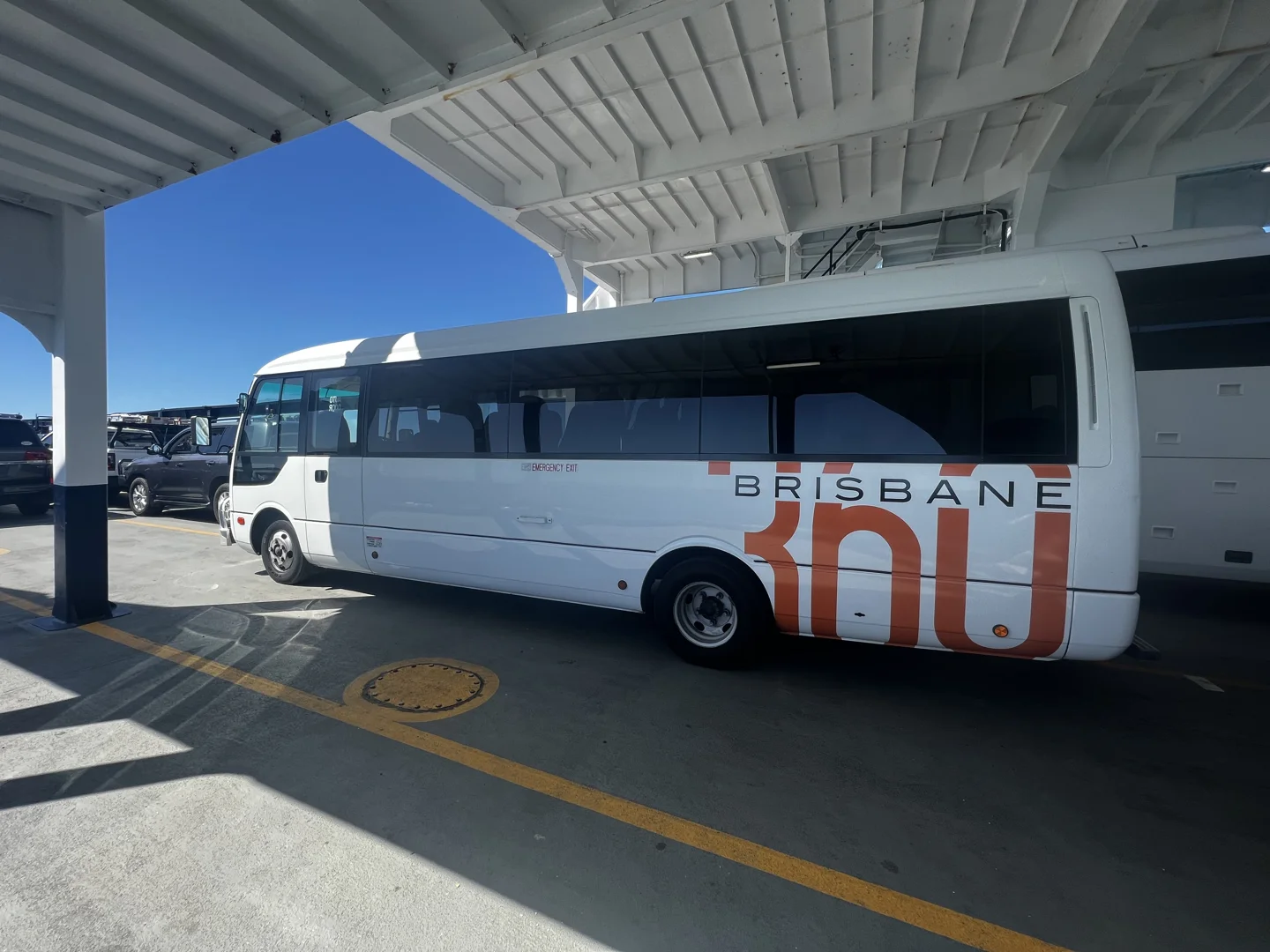
Comparing Corporate Transport Services for Your Business
For businesses planning group travel in Brisbane and South East Queensland, comparing corporate transport providers helps turn a complex itinerary into a workable plan. The decision should consider the full service arrangement, including vehicle fit, professional driver arrangements, timing, quote inclusions and the provider’s ability to coordinate the journey.
Whether the plan involves a conference, corporate function, staff movement or several business appointments, using the same criteria for each provider makes it easier to identify practical value.
Hi, Cam Storey here. Since entering passenger transport in 2009, I’ve used my hands-on experience with Brisbane360 to coordinate private group travel across Brisbane and South East Queensland, where route planning, pickup access and event timing often determine how smoothly the day runs.
Key Takeaways
- Compare the complete cost: Check what’s included in each quote, from the vehicle and professional driver to the agreed journey requirements.
- Match the vehicle to your group: Consider passenger numbers, luggage, equipment, accessibility and travel duration.
- Assess reliability and experience: Look for clear communication, realistic scheduling and practical knowledge of local routes.
- Confirm the service details: Agree on pickup points, waiting time, additional stops and arrangements for itinerary changes.
- Book around your actual requirements: A detailed travel brief helps providers recommend a suitable vehicle and prepare an accurate quote.
Comparing Corporate Transport Costs and Overall Value
A lower quote does not automatically represent better value. To compare corporate transport services fairly, check whether each provider has allowed for the same vehicle, itinerary, driver arrangements, timing and agreed inclusions. A quote that appears cheaper may exclude waiting time, additional stops, parking or other requirements that matter to the final arrangement.
Factors That Affect Corporate Transport Costs
Corporate transport costs usually reflect the practical requirements of the journey:
- Vehicle size and type: Capacity, luggage space and suitability for the group.
- Route and distance: Pickup locations, destinations and total travel required.
- Hire duration: The time the vehicle and professional driver are required, including agreed waiting periods.
- Stops and access: Extra collection points, venue access and route complexity.
- Timing: The travel date, departure windows and availability.
- Additional requirements: Accessibility needs, equipment, tolls, parking and other agreed expenses.
For example, transport for a conference with several pickup locations requires a different allowance from one direct journey to a team event.
Comparing Quote Inclusions
Provide each provider with the same itinerary before requesting a quote. Then review the details, not only the total figure.
| What to compare | What to confirm |
|---|---|
| Vehicle | Type, passenger capacity, luggage space and suitability for the journey |
| Driver | That a professional driver is included for the agreed service |
| Itinerary | Pickup points, destinations, stops and expected travel times |
| Timing | Hire duration, waiting time and scheduled departure times |
| Pricing | Included costs, additional charges and applicable conditions |
| Changes | How amended timing, stops or waiting time will be handled |
How Can You Compare Corporate Transport Providers?
Once you’ve received a few quotes, take a moment to look at what each provider is offering. The cheapest option might seem appealing, but it’s worth checking whether it covers everything your group needs.
Compare the proposed vehicles, pickup arrangements, travel times and what’s included in the price. Check whether waiting time and additional stops are covered, too, and make sure you understand the conditions if your plans change.
If one quote is cheaper than another, ask why. There may be a straightforward explanation, such as a difference in vehicle size or the time allowed for the journey. Understanding these details helps you choose a service that suits your itinerary and budget, rather than simply going with the lowest price.
Selecting the Right Transport Arrangement, Vehicle and Route
The right corporate transport arrangement depends on the purpose of the journey, the group size and how the day is scheduled. A vehicle that suits a small executive group may not suit a conference, recurring staff movement or a multi-stop business itinerary.
Matching the Service to the Business Need
Different requirements call for different priorities.
| Business requirement | What to prioritise |
|---|---|
| Conferences and business events | Coordinated arrivals, venue access and appropriate passenger capacity |
| Corporate functions and team days | Agreed pickup points, return arrangements and realistic timing |
| Staff transport | Consistent schedules, practical routes and suitable vehicle capacity |
| Meetings and site visits | Flexible itineraries, multiple stops and sufficient travel time |
| Regional business travel | Journey duration, passenger comfort and route planning |
Dedicated group travel can simplify business events by keeping passengers, pickups and arrival times within one managed itinerary. Brisbane360’s corporate transport services can be tailored to the group’s operational requirements, while its corporate event transport guide explains when this approach suits a business function.
Choosing Suitable Vehicle Capacity
Start with the number of passengers, then assess whether the vehicle works for the journey as a whole. Space for luggage and presentation equipment, accessibility needs, pickup access and travel duration can each affect whether an option is practical for the group.
A vehicle’s advertised passenger capacity does not tell the whole story. The best option must also suit the group’s luggage, boarding arrangements, pickup locations and destination access. For corporate events with fixed arrival times, consider how long passengers will need to board at each stop and whether the vehicle can access the designated loading area.

Before confirming a vehicle, establish:
- The confirmed passenger count and likely changes.
- Luggage, equipment and space requirements.
- Accessibility requirements.
- The number and accessibility of pickup locations.
- Whether the group will remain together for the full itinerary.
- The route, travel duration and venue access restrictions.
Choosing too little capacity can create practical issues on the day, while substantially more capacity than required may not represent good value. Providing these details with the enquiry allows the provider to recommend an option based on the complete journey rather than headcount alone.
Planning Routes and Pickup Logistics
Route planning is more than entering destinations into a navigation system. Traffic conditions, roadworks, venue access, passenger loading areas and other event activities can affect the schedule.
Across Brisbane and South East Queensland, travel involving the CBD, the Gold Coast or multiple regional locations needs realistic timing and a clear pickup plan. An experienced coordinator should review the itinerary before the journey, identify potential issues and allow appropriate travel time for key arrivals.

Assessing Provider Reliability, Safety and Communication
Price and vehicle suitability are only part of the decision. Businesses also need confidence that the provider can deliver the agreed service, communicate clearly and manage the practical details before the travel date.
Signs of a Reliable Corporate Transport Provider
When comparing corporate transport providers, look for evidence of clear operating procedures, appropriate vehicle and driver credentials, transparent booking terms and a practical approach to itinerary planning. Ask how pickup times are confirmed, who communicates schedule changes and what arrangements apply if the planned service needs to change.
For corporate group transport, it is reasonable to confirm that the provider meets applicable vehicle, driver, insurance and passenger transport requirements. Queensland businesses can review the state’s driver authorisation requirements and vehicle and operator accreditation information when establishing their own verification process. Organisations with their own procurement or safety procedures should request the information they need before confirming the booking.
Confirming the Booking Details
A written booking confirmation should set out the agreed vehicle, passenger numbers, pickup points, destinations, departure times, waiting arrangements, price and any conditions for changes. Confirming these details in advance gives everyone involved a shared reference point and helps prevent avoidable misunderstandings.

For recurring staff transport, review the route and schedule periodically as staffing levels, operating hours or work locations change.
Frequently Asked Questions About Corporate Transport Services
How far in advance should you book corporate transport?
Book once the itinerary and passenger estimate are reasonably clear. Larger groups, busy event dates, multiple destinations and specialised vehicle requirements may need more lead time, so early planning gives more time to coordinate the service.
Is corporate bus hire suitable for small businesses?
Yes. Corporate bus hire can suit small businesses when employees or clients need to travel together, the itinerary has multiple stops or the group needs to arrive at a set time. The decision depends on the journey requirements and overall value rather than the size of the business.
What information should you provide when requesting a quote?
Provide the travel date, passenger numbers, pickup and drop-off locations, required timings, expected hire duration, return arrangements and any luggage, equipment or accessibility requirements. Include every planned stop and relevant venue access detail so the provider can assess the full itinerary.
Can corporate transport be arranged for recurring staff travel?
Yes. Recurring group transport can be planned around agreed pickup points, workplace locations, operating hours and expected passenger numbers. Discuss the frequency of travel and likely schedule changes so the arrangement remains practical.
What should you do if corporate travel plans change?
Tell the provider as early as possible and provide the revised itinerary or timing. Whether changes can be accommodated will depend on the confirmed booking details, vehicle availability and the applicable terms.
Choosing Corporate Transport Services for Confident Business Travel
Comparing corporate transport services is most effective when you assess the complete journey, not only the initial quote. Review the vehicle’s suitability, the planned schedule, the inclusions and the provider’s ability to communicate clearly and coordinate the service.
At Brisbane360, I’ve seen how a clear itinerary and realistic planning make group travel easier to manage. Sharing the passenger requirements, pickup plan and timing early helps identify an arrangement that fits the day.