
How to Organise Transport for a Familiarisation Tour

How Do You Organise Transport for a Familiarisation Tour?
To organise transport for a familiarisation tour, start by confirming who is travelling, how much luggage or equipment they will bring, and which itinerary times cannot move. Then match the group to the right private bus hire or private coach hire service, confirm venue access, share one clear run sheet, and prepare alternatives for delays. This approach keeps visiting buyers, media delegates, and event planners together, informed, and ready for each stop.
Hi, I’m Cam Storey, owner of Brisbane360. I’ve worked in passenger transport since 2009, including hands-on group and event transport across South East Queensland. My team and I coordinate private transport around Brisbane and the wider region, so I know that the smoothest familiarisation tours are planned around realistic routes, group movement, venue access, and clear communication before the day begins.
A familiarisation tour, often shortened to FAM tour, gives travel trade representatives, media, corporate planners, or event organisers first-hand experience of a destination, venue, or programme. Transport matters because it connects every part of that experience. A comfortable, well-timed journey gives delegates time to absorb what they have seen instead of worrying about missed appointments, confusing meeting points, or luggage.
Key Takeaways
- Build the transport plan from the itinerary’s fixed times, not optimistic travel estimates.
- Confirm passenger numbers, luggage, accessibility needs, and equipment before selecting a vehicle.
- Check coach access, loading areas, and parking arrangements with every venue in advance.
- Give the driver and tour coordinator one final run sheet with current contacts and decision points.
- Keep a practical contingency plan for traffic, weather, delayed arrivals, and changes to the programme.
How Do You Plan Transport for a Familiarisation Tour in 6 Steps?
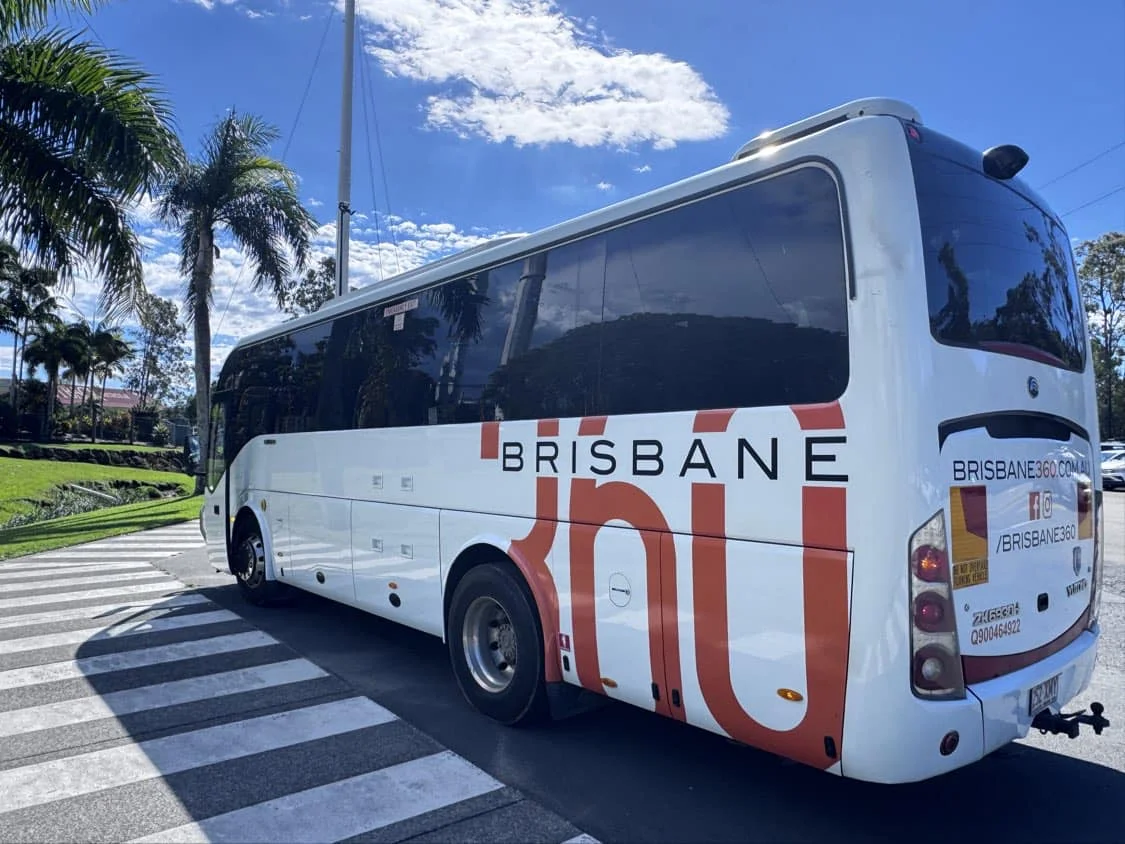
A strong FAM tour transport plan follows six connected steps: define the group, test the itinerary against real conditions, choose an appropriate vehicle and professional driver, confirm access at every stop, set communication rules, and prepare for disruption. The aim is not simply to move people between venues. It is to protect the schedule and make each transition feel organised for delegates.
Our fleet of luxury mini buses is constantly growing and updating, with 7, 13, 24, 33, 37/39, 57, 61 seats available to suit different group sizes.
Step 1: Confirm the Group’s Transport Requirements
Create a passenger manifest several weeks before the tour and update it as invitations change. Record delegate numbers, luggage volume, mobility needs, presentation equipment, dietary items that must travel with the group, and any VIP seating or assistance requirements. Seat count alone is not enough when delegates are carrying trade materials, camera equipment, or overnight bags.
For groups being introduced to local venues and experiences, familiarisation tours for visiting agents can help shape the practical itinerary around the group rather than treating transport as an afterthought.
By capturing these requirements early, you can plan tailored familiarisation tours for visiting agents that deliver exceptional hospitality from the first pickup.
Step 2: Build an Itinerary Anchored in Real-World Transit Timing
Work backwards from fixed commitments such as venue presentations, hosted meals, timed attractions, and meeting appointments. Identify which stops are essential and which can move if the day changes. Then allow an additional 10 to 15 minutes at departure points where the full group, luggage, or accessibility assistance must be coordinated. Review the likely traffic pattern for the Pacific Motorway, Bruce Highway, and inner-Brisbane routes at the time the group will actually travel, rather than relying on a single off-peak map estimate.
Driver availability and rest periods also need to be built into the schedule. The National Heavy Vehicle Regulator’s work and rest guidance outlines why these limits must be planned in advance for heavy-vehicle operations. Treating a rest break as part of the itinerary helps avoid last-minute changes that affect the delegate experience.
Step 3: Match the Vehicle to the Group and the Route
Choose a vehicle based on passenger comfort, luggage capacity, road access, and the length of time people will be travelling together. Private bus hire or private coach hire with a professional driver keeps the group together and gives the tour coordinator one reliable point of contact during each movement.
Prioritise practical features such as ducted air-conditioning, comfortable seating, luggage storage, USB charging, and a clear PA system for commentary. For longer multi-stop programmes, the vehicle should also suit the narrowest driveway, lowest clearance, and tightest turning area on the route, not only the largest destination.
For longer multi-stop programmes, luxury tour bus hire can help keep the group together while supporting fixed schedules, luggage needs, and venue access.
Step 4: Confirm Venue Access Before the Day
Ask each hotel, attraction, winery, convention venue, or regional experience to confirm its preferred group arrival point. Check where the vehicle can pull in, whether there are height or weight restrictions, how long it may wait, and how far delegates will need to walk from the set-down point.
This simple pre-check prevents common disruptions, including a coach arriving at the wrong entrance, luggage being unloaded in a public parking area, or the group being split while staff look for the correct access point. Add venue contacts and exact set-down instructions to the driver run sheet.
Step 5: Use One Run Sheet and Clear Communication Rules
Share a final master run sheet with the tour coordinator, driver, and key venue contacts at least 48 hours before departure. It should list addresses, arrival windows, primary contacts, delegate numbers, access notes, and the person authorised to approve a change to the day.
Keep communication simple during the programme. A single group channel for the coordinator and logistics team can handle updated arrival times, venue requests, and changes to delegate numbers without creating conflicting instructions for the driver.
Step 6: Plan for Delays Without Overcomplicating the Day
Prepare practical alternatives for weather, road closures, late-running venue sessions, or a delayed group departure. Decide in advance which non-essential stop can be shortened, which route has a workable alternative, and when the coordinator should notify the next venue.
The best contingency plans are specific but brief. They give the team permission to make a calm, timely decision while keeping the delegate experience professional.
What Are the Key Mistakes to Avoid When Managing Tour Logistics?
The most common FAM tour transport mistakes are overloading the day, choosing a vehicle by seats alone, overlooking coach access, and leaving decisions until delegates are already on the road. Avoiding these issues protects the itinerary and helps visitors experience the destination at a comfortable pace.

- Trying to fit too many venues into one day: A crowded programme leaves little room for traffic, questions, refreshments, or longer conversations at the venues delegates are there to assess. Prioritise a smaller number of meaningful stops.
- Underestimating luggage and equipment: A group may fit into the available seats but still need more storage for bags, display materials, cameras, or welcome packs. Confirm the practical load before finalising the vehicle.
- Assuming every venue has easy coach access: Inner-city loading zones, narrow estate driveways, low branches, and limited turning areas can change the transport plan. Check them in advance with venue staff.
- Giving incomplete information to the driver: The driver needs the current route, set-down instructions, venue contacts, and changes to the programme, not only a list of suburb names.
- Using separate versions of the itinerary: Keep one current run sheet so the coordinator, driver, and venue contacts are working from the same timings and decision points.
Frequently Asked Questions About Familiarisation Tour Transport
How far in advance should FAM tour transport be booked?
Start planning as soon as the itinerary and likely delegate numbers are known. Confirm the vehicle and driver early, then finalise passenger numbers, luggage requirements, and venue access details closer to the event.
What information should be included in a FAM tour transport run sheet?
Include the date, group size, vehicle details, every venue address, planned arrival and departure times, set-down instructions, luggage notes, contact names, and the person who can approve a route or timing change.
What size bus is best for a familiarisation tour?
The right size depends on the final passenger count, luggage, equipment, route restrictions, and comfort expectations. Select a vehicle with enough space for the full practical load, not only the number of seats required.
How do you keep a familiarisation tour on time?
Use realistic travel windows, protect fixed appointments first, allow time for the group to board and unload, and agree on a simple decision process for unexpected delays. A shared run sheet gives everyone a clear reference point throughout the day.
Should a tour coordinator travel with the group?
For multi-stop or high-profile programmes, a coordinator travelling with the group can manage delegate questions, check attendance, liaise with venues, and keep the driver updated without interrupting the route.
Organising Transport for a Familiarisation Tour with Brisbane360

When you organise transport for a familiarisation tour, the essentials are clear: confirm the group and luggage requirements early, build realistic travel time into the programme, select a vehicle suited to both the route and the delegates, and give every stakeholder one reliable run sheet. These details help the day feel calm and considered, even when the schedule changes.
Brisbane360 provides private bus hire and private coach transport with professional drivers across Brisbane and South East Queensland. With practical experience in route planning, vehicle selection, group pickups, and event logistics, the team can help coordinators prepare a transport plan that supports the wider FAM tour experience without adding unnecessary complexity.
For help planning your upcoming programme, explore: