
How Can Businesses Manage Workforce Transport Challenges?
What Are the Challenges of Workforce Transport?
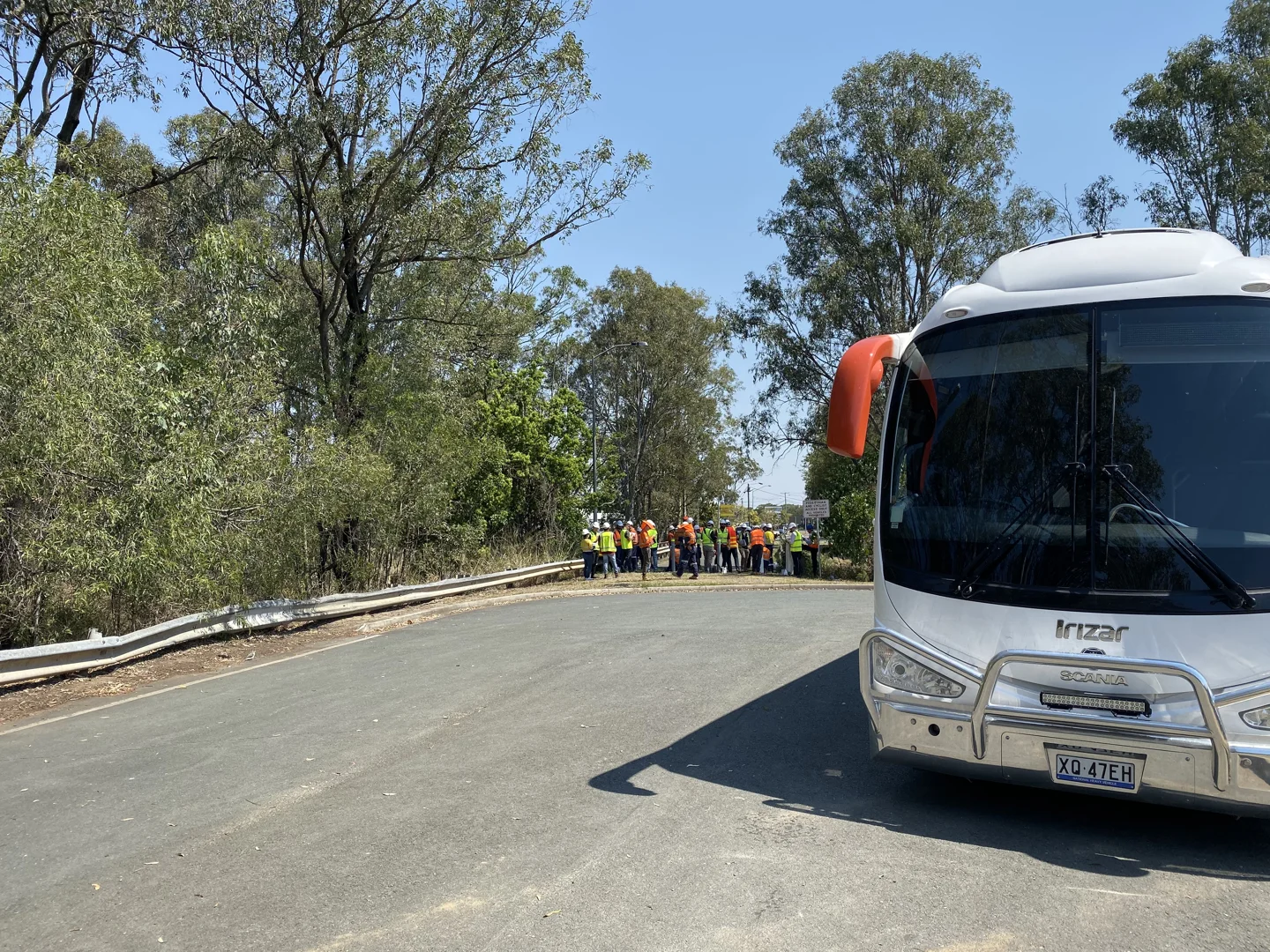
Moving employees or corporate groups can sound straightforward until a business needs to coordinate people, locations, schedules, vehicle capacity and arrival times at once. Workforce transport becomes more difficult when staff work different shifts, live across several suburbs, cannot rely on public transport at the required time, or need to travel together for a corporate event.
The main workforce transport challenges are scheduling, coordinating multiple pickup locations, selecting suitable vehicle capacity, managing traffic and delays, accommodating shift times and helping employees arrive safely and on time. A well-planned group transport arrangement gives businesses a more structured way to manage those moving parts.
Hi, I’m Cam Storey, owner of Brisbane360. I have worked in passenger transport since 2009, and I have seen how quickly a simple travel plan can become complicated when a team is spread across South East Queensland or working outside standard hours. At Brisbane360, we use our hands-on experience coordinating private group travel to help businesses plan practical pickup arrangements, vehicle choices and schedules that support reliable staff transport.
Key Takeaways
- Workforce transport becomes difficult when people, locations and schedules do not line up.
- Shift work and early or late operating hours can make standard public transport impractical.
- Multiple pickup points need careful route and timing coordination.
- Vehicle size should match the number of employees or corporate guests travelling.
- Corporate bus hire with a professional driver can give businesses a clearer way to manage group transport.
What Are the Main Challenges of Workforce Transport?
Workforce transport is challenging because businesses need to move the right people to the right place at the right time while balancing convenience, travel time and operational requirements. The specific issues vary between workplaces, worksites and events, but most staff transport problems come back to coordinating people, places and schedules.
Coordinating Different Staff Locations and Pickup Points
Employees may be travelling from Brisbane, Ipswich, Logan, Moreton Bay, the Gold Coast or many different suburbs in between. Collecting everyone from home can create an inefficient route with too many stops, while asking people to travel to a practical meeting point may not suit every shift or location.
Planned employee transport starts by identifying where people are travelling from, where they need to arrive and which collection points make sense for the group. A corporate bus hire arrangement can then consolidate suitable pickup areas into a structured route that balances passenger convenience with realistic travel times.
Matching Transport With Staff Working Hours
One of the biggest workforce transport challenges is finding transport that operates when employees actually need it, particularly for early-morning, late-night or rotating shifts. Standard public transport may not align with factory starts, warehouse handovers, weekend work or staggered rosters.
For employers, the issue is not simply whether transport exists. It is whether it reaches the right pickup points and arrives at the workplace when the team needs to begin. Scheduled staff transport can be organised around agreed start and finish times, making it easier to support transport for shift workers without expecting every employee to solve the journey alone.
Managing Traffic, Delays and Arrival Times
Peak-hour congestion, roadworks, weather and unexpected delays can affect any journey. The challenge becomes greater when employees arrive separately, a shift handover has a tight timing requirement, or a corporate event has a fixed start time.
A coordinated group transport plan does not remove traffic, but it makes timing easier to manage. With a clear route, agreed pickup times and a professional driver, businesses can plan realistic travel windows and communicate one shared schedule instead of relying on dozens of individual journeys.
Choosing the Right Vehicle Capacity
Choosing a vehicle that is too small can leave people without a seat or require additional trips. Choosing one that is much larger than the group can be inefficient. The right option depends on passenger numbers, route length, pickup points, comfort expectations and whether luggage or equipment needs to travel too.
Brisbane360 can provide private bus and coach transport with a professional driver in a range of vehicle sizes, including 7, 13, 24, 33, 37 or 39, 57 and 61 seats. Rather than treating capacity as a fleet catalogue decision, businesses should choose transport around the actual journey and the people using it.
Keeping Group Transport Organised
Informal carpooling can work for a small team, but it becomes harder to manage when drivers change, people cancel at the last minute or staff arrive at different times. Unclear pickup arrangements and constant group messages can also make workplace transport harder to coordinate than it needs to be.
A dedicated corporate transport arrangement creates a clearer structure. It gives the group agreed pickup points, a defined schedule and one transport plan for the journey. That can be useful for regular employee bus transport as well as one-off travel for staff events or business functions.
What Challenges Can Corporate Bus Hire Help Solve?
Corporate bus hire can help businesses organise travel when staff or guests need to reach the same destination on a shared schedule. It is not a replacement for every individual commute, but it can provide a practical option when a group is travelling to a workplace, worksite, meeting or event.
_compressed.webp?alt=media&token=e6b9836b-01fd-4f19-b4a6-4229f528e370 "dedicated passenger coach operating along a scheduled South East Queensland route")
Creating a More Reliable Staff Transport Schedule
A dedicated vehicle can be organised around staff start times, finish times, shift changes, agreed pickup locations and required arrival windows. This gives managers a clearer basis for planning than asking everyone to make their own way.
When we plan staff transport solutions, we look at the likely passenger catchment, roster times and practical pickup corridors before confirming the route. This helps businesses build a schedule that suits the job rather than forcing a standard route onto a workforce with different needs.
Making Corporate Event Transport Easier to Coordinate
Corporate event transport can be useful for conferences, company functions, team events, staff celebrations, corporate meetings and off-site events. When everyone travels separately, organisers may need to manage late arrivals, parking questions, unfamiliar venues and repeated directions.
Transport hire for corporate events allows a group to travel together from agreed locations. It can simplify communication, make arrival planning more consistent and let guests focus on the event rather than navigating the journey individually.
Reducing the Need for Employees to Drive Separately
When employees travel together, there can be fewer individual journeys to coordinate and less pressure on parking at the destination. It can also help groups arrive at a similar time and reduce the need for staff to navigate unfamiliar routes after a long day or before an important event.
Group transport for employees is particularly worth considering when a workplace has limited parking, a remote location, a large shift change or a group travelling to the same venue. The aim is not to make unrealistic promises about every commute, but to give businesses a more manageable transport option where it is useful.
Having a Professional Driver Handle the Transport
Brisbane360 provides private bus and coach transport with a professional driver. That means the business is arranging the vehicle and driver together rather than asking an employee to take responsibility for driving a larger group.
This approach can be especially helpful for unfamiliar routes, multiple pickup locations, larger groups, corporate events and journeys with a tight schedule. A professional driver allows the organiser and passengers to focus on the purpose of the trip while the travel is managed as part of one agreed plan.
How Can Businesses Make Workforce Transport Easier to Manage?
Start With the Number of People Travelling
Passenger numbers are the starting point for vehicle selection and route planning. Confirm how many employees or guests are likely to travel, then allow for any expected changes between shifts, event sessions or pickup locations.
Map Pickup Locations Before Choosing the Route
Before choosing a route, identify where employees or guests are travelling from, which collection points are practical, where the group is going and when they need to arrive. Grouping nearby passengers at sensible pickup points can make staff transportation more efficient without making the plan inconvenient for everyone.
Build Time Into the Schedule
Allow time for boarding, traffic, multiple stops, venue access and shift handover. For shift-based workplaces, arriving around 10 to 15 minutes before the required start time can be a useful planning buffer, depending on site entry, safety requirements and the number of passengers. It should be treated as a practical recommendation, not a fixed rule for every operation.
Choose Transport Around the Job, Not Just Passenger Numbers
Headcount matters, but it is only one part of the decision. The right vehicle also depends on the trip type, route, travel time, number of pickup points, passenger comfort and event requirements. A shorter staff route may need a different arrangement from transport for a company event with luggage or equipment.
Work With a Provider That Can Coordinate the Journey
Businesses benefit from a provider that can help turn travel details into a workable plan. Brisbane360 has hands-on experience coordinating private group travel across Brisbane and South East Queensland, including Brisbane, Ipswich, Logan, Moreton Bay and the Gold Coast. We provide private bus hire and private coach hire with professional drivers for businesses that need organised staff transport or corporate group transport.
Frequently Asked Questions About Workforce Transport
What is workforce transport?
Workforce transport is organised travel for employees moving between home, workplaces, worksites or other business locations. It can include regular staff transport for shifts or group travel for meetings and events.
What is the biggest challenge with workforce transport?
The biggest challenge is coordinating people, locations and schedules while maintaining reliable arrival times. Multiple pickup points, different shifts, traffic and changing passenger numbers can all affect the plan.
Is corporate bus hire suitable for staff transport?
Yes. Corporate bus hire can suit staff transport when a group is travelling to the same workplace, worksite or corporate event and the business needs a clearer shared travel plan.
Can a corporate bus be used for shift workers?
Yes. Private group transport can be scheduled around early, late or rotating shifts, provided the pickup locations, passenger numbers and required arrival times are planned in advance.
How do you organise staff pickup points?
Start by identifying where employees are located, then group nearby passengers into practical collection areas. The route should balance convenient pickup points with realistic travel time to the destination.
What size bus do I need for employee transport?
The right size depends on passenger numbers and the journey itself. Consider the route, number of stops, travel time and whether passengers are carrying equipment or luggage before choosing the vehicle.
Can corporate bus hire be used for company events?
Yes. It can be used for conferences, team events, corporate functions, meetings and other organised business travel where moving the group together makes coordination easier.
Does Brisbane360 provide a driver with corporate bus hire?
Yes. Brisbane360 provides private bus and coach transport with a professional driver.
Making Workforce Transport Challenges Easier to Manage
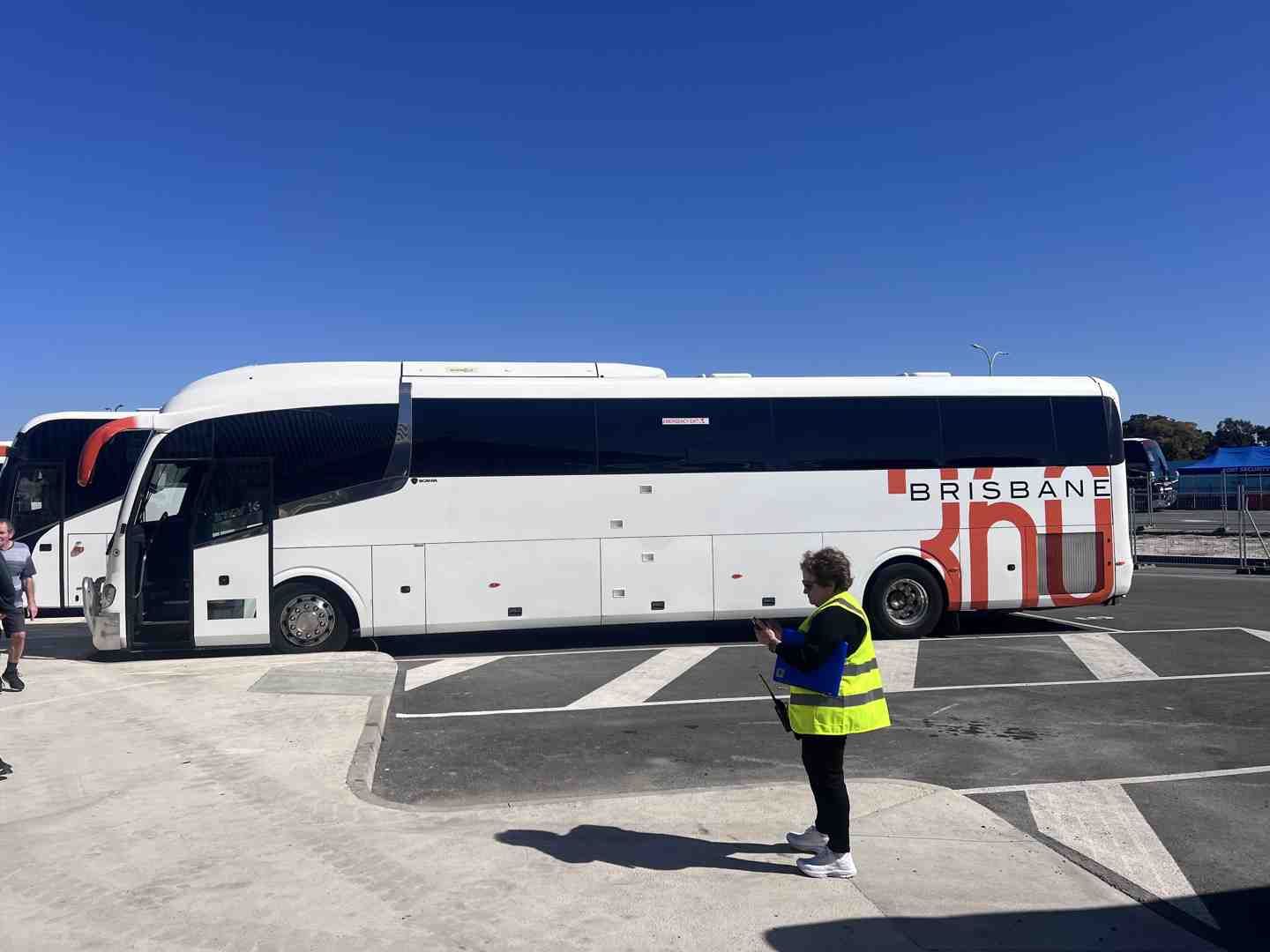
Workforce transport challenges usually come down to coordinating people, places and schedules. A planned private bus transport arrangement gives businesses a structured way to move employees or corporate groups without relying on everyone to organise their own journey.
If your transport needs extend beyond regular staff travel or corporate events, General Charter provides another option for organising private group travel with a professional driver.
Planning transport for your next workforce trip, corporate event or group journey? Get a quote from Brisbane360 and talk to our team about the vehicle, route and schedule that suits your needs.
Related Reading
For more detail on planning employee and group travel, these related Brisbane360 resources may help:
- Employee Transport Solutions explains practical options for regular workplace travel.
- Staff Transport outlines how we support organised roster-based journeys across Brisbane and South East Queensland.
- Corporate Bus Hire covers vehicle capacity, routes and scheduling for company functions, meetings and other group trips.